Lesotho Strengthens Regional Leadership in Archives and Records Management After Successfully Hosting ESARBICA 2026

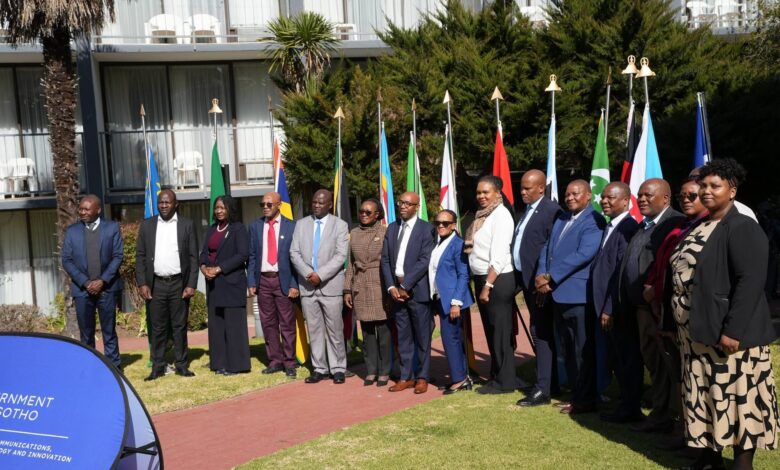
The Kingdom of Lesotho has reaffirmed its position as a respected regional leader in archives and records management following the successful hosting of the 2026 Eastern and Southern Africa Regional Branch of the International Council on Archives (ESARBICA) Board of Directors Meeting and Archives and Records Management Training Programme. The high-profile event brought together records and archives professionals, researchers and information managers from 16 countries across Eastern and Southern Africa, highlighting Lesotho’s growing influence in advancing information governance across the continent. Hosted by the Ministry of Information, Communications, Science, Technology and Innovation (MICSTI) through the Department of National Library and Archives, the programme served as an important platform for professional development, collaboration and innovation. It also reinforced the Kingdom’s ability to organise international conferences that meet high professional standards. The successful event has further elevated Lesotho’s reputation as a trusted destination for regional engagements focused on strengthening institutions and promoting good governance.
The ESARBICA programme provided participants with an opportunity to exchange ideas, build professional networks and explore practical solutions to the evolving challenges facing archives and records management. As governments and institutions continue their transition toward digital systems, the need for effective records management has become increasingly important for ensuring accountability, transparency and efficient public service delivery. Throughout the programme, delegates examined emerging trends in digital transformation while sharing experiences from their respective countries. These discussions created valuable opportunities for learning and encouraged stronger regional cooperation among ESARBICA member states. The gathering demonstrated that collaboration remains one of the most effective ways to strengthen institutions responsible for preserving Africa’s documentary heritage.
Opening the programme, Principal Secretary Mr. Kananono Ramashamole delivered a strong message on the importance of building trusted digital archives and investing in effective governance systems. He emphasised that reliable records form the foundation of transparent government, informed decision-making and accountable public administration. Mr. Ramashamole encouraged member states to work collectively in responding to the opportunities and challenges presented by rapid digital transformation. He noted that while technology continues to reshape the management of information, institutions must also develop skilled professionals who are capable of maintaining secure, accessible and authentic records. His remarks highlighted the growing importance of digital archives in supporting modern governance and protecting valuable national information for future generations.
Building on that vision, Director of the Department of National Library and Archives, Mr. Lethibelane, stressed the importance of investing in the people and institutions responsible for safeguarding documentary heritage. He explained that the training programme was carefully designed to provide participants with practical knowledge that can be applied directly within their organisations. The sessions encouraged professionals to exchange best practices, discuss common challenges and identify innovative approaches to managing records in an increasingly digital environment. Mr. Lethibelane also underscored the importance of strengthening collaboration among ESARBICA member states to ensure that archives continue supporting effective governance while preserving Africa’s collective memory. His remarks reflected a broader commitment to building sustainable institutions capable of adapting to changing technological demands.
Throughout the week, participants took part in specialised training covering digital records management, trusted digital repositories, information governance and digital preservation. These subjects have become increasingly relevant as governments, businesses and public institutions seek reliable methods of managing large volumes of electronic information. Delegates explored practical strategies for protecting digital records from loss, corruption and unauthorised access while ensuring that important historical documents remain available for future generations. The programme also encouraged discussions on international standards, emerging technologies and innovative practices that can strengthen records management systems across the region. By sharing experiences and technical expertise, participants built lasting professional relationships that will continue supporting institutional development well beyond the conclusion of the event.
One of the most significant outcomes of the programme came during its closing stages when the ESARBICA Board of Directors unanimously resolved to award the Kingdom of Lesotho the honour of hosting the 2029 ESARBICA Conference. The decision followed widespread recognition of Lesotho’s outstanding organisation, efficient coordination and warm hospitality throughout the 2026 programme. Receiving the opportunity to host the next major regional conference represents a strong vote of confidence in the country’s organisational capacity and leadership within the archives profession. It also reflects the trust that ESARBICA members have placed in Lesotho to deliver another successful international event. This achievement further strengthens the Kingdom’s standing as an influential contributor to professional development within Eastern and Southern Africa.
Speaking during the closing ceremony, the Minister of Information, Communications, Science, Technology and Innovation, Honourable Nthati Moorosi, described the successful hosting of the programme as an important milestone for Lesotho. She reflected on the country’s renewed engagement within ESARBICA after years of limited participation and noted that hosting the 2026 programme fulfilled an important national commitment. According to the Minister, the successful delivery of the event demonstrates Lesotho’s determination to reclaim its place as an active and valued member of the regional archival community. “Today, we are proud that this commitment has become a reality,” she said while addressing delegates. Her remarks captured the sense of achievement shared by organisers and participants who witnessed Lesotho’s successful return to the forefront of regional archives and records management.
Minister Moorosi also extended sincere appreciation to ESARBICA, delegates, facilitators, organisers and development partners whose dedication contributed to the programme’s success. She observed that the experience has strengthened Lesotho’s confidence while proving the country’s readiness to host even larger regional and international conferences in the future. The successful event demonstrated the effectiveness of collaboration between government institutions, regional organisations and professional experts working toward common goals. It also showcased Lesotho’s growing ability to coordinate complex international events that deliver meaningful outcomes for participants. Such achievements are expected to create new opportunities for future partnerships and increased international engagement across multiple sectors.
Closing the programme, ESARBICA President Ms. Brenda Mamvura congratulated participants for their commitment, enthusiasm and active participation throughout the training sessions. She encouraged delegates to apply the knowledge and practical skills they had acquired within their own institutions while sharing those lessons with colleagues across their respective countries. Ms. Mamvura also urged professionals to continue embracing innovation as records and archives management evolves in response to technological advancement. She reaffirmed ESARBICA’s commitment to supporting member states through ongoing capacity building, research, knowledge sharing and regional cooperation. Her message reinforced the importance of continuous learning and collaboration in ensuring that archives remain reliable sources of information that support governance, accountability and historical preservation.
The successful hosting of ESARBICA 2026 represents far more than the completion of a regional training programme. It marks Lesotho’s successful return as a leading voice in archives and records management while strengthening professional capacity across Eastern and Southern Africa. The programme has reinforced the Kingdom’s reputation as a trusted regional partner capable of organising high-quality international engagements that produce lasting benefits for participating countries. As preparations begin for the 2029 ESARBICA Conference, Lesotho has already established a strong foundation built on professionalism, cooperation and excellence. The legacy of ESARBICA 2026 will continue through stronger partnerships, improved institutional capacity and renewed confidence in Lesotho’s ability to contribute meaningfully to the advancement of records and archives management across the African continent.
Join 'Lesotho News' WhatsApp Channel
Get breaking Lesotho news — delivered directly to your WhatsApp.
CLICK HERE TO JOIN