Prof Lineo Thahane Appointed Founding Dean of Lesotho Medical School as Country Prepares to Train Future Doctors

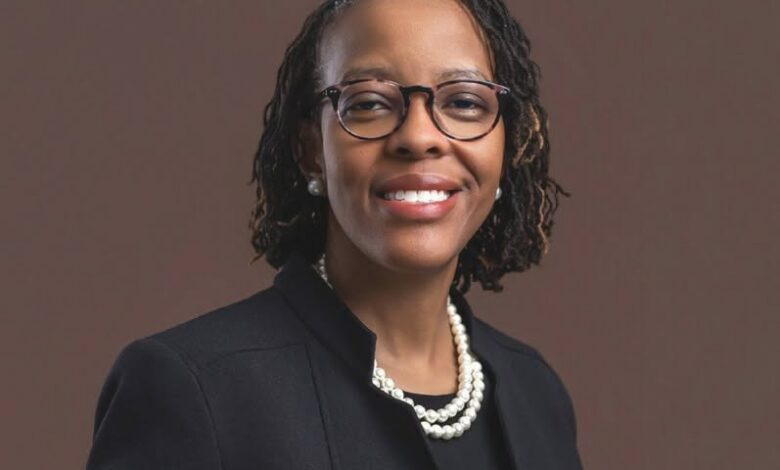
The appointment of Professor Lineo Thahane as the founding Dean of the newly established Lesotho Medical School marks a historic milestone for healthcare and medical education in the Kingdom of Lesotho. Her appointment comes at a time when the country is making renewed efforts to strengthen its healthcare system by training more doctors locally and reducing its reliance on medical education abroad. As a respected Mosotho Clinical Associate Professor of Pediatrics and experienced healthcare leader, Prof Thahane brings decades of clinical, academic and leadership experience to the role. Her journey reflects a deep commitment to improving the lives of Basotho through quality healthcare and education. With the first intake of students expected in July 2027, her leadership is expected to shape the future of medical training and healthcare delivery in Lesotho for many years to come.
Prof Thahane has spoken passionately about the importance of patients receiving care from doctors who understand not only their medical conditions but also their language, culture and everyday realities. Reflecting on her early years as a pediatrician in Maseru during the height of Lesotho’s HIV epidemic in the early 2000s, she recalled how much comfort families found in being treated by a Mosotho doctor. Many of the caregivers she worked with were elderly and faced the overwhelming challenge of caring for critically ill children while navigating an unfamiliar healthcare system. According to Prof Thahane, seeing a doctor who spoke Sesotho and understood their circumstances immediately created trust and reassurance. Her experiences reinforced her belief that compassionate healthcare begins with meaningful communication and genuine understanding between doctors and patients.
Prof Thahane explained that language plays a vital role in healthcare because it allows doctors to explain complex medical conditions in ways that patients and caregivers can understand. During the HIV epidemic, many families were frightened and uncertain about their children’s diagnoses and treatment plans. Having a Mosotho doctor who could clearly explain what was happening in their own language helped reduce anxiety and strengthened confidence in the healthcare system. She described how caregivers viewed local doctors as allies who understood not only their words but also their daily struggles and emotional concerns. These experiences continue to influence her vision for medical education, where future doctors will be trained to provide patient-centred care rooted in empathy, communication and cultural understanding.
Prof Thahane shared these reflections in a press statement announcing her appointment as the founding Dean of the Lesotho Medical School by the Lesotho-Boston Health Alliance. Her selection followed a highly competitive international recruitment process that attracted 36 completed applications from across Africa. An international search committee shortlisted nine exceptional candidates before selecting four world-class finalists to travel to Lesotho for presentations and consultations with key stakeholders. After a thorough evaluation, Prof Thahane emerged as the successful candidate. The Lesotho-Boston Health Alliance announced that she will officially assume her new role in September 2026, leading one of the country’s most important educational and healthcare initiatives.
Her impressive academic and professional background makes her well qualified for the position. Prof Thahane earned a Bachelor of Arts degree in Molecular Biology from Princeton University before completing her Doctor of Medicine degree at Washington University School of Medicine in the United States. She later completed her specialty training in Pediatrics at the Children’s Hospital of Philadelphia, one of the leading pediatric hospitals in the world. These academic achievements provided a strong foundation for a career dedicated to improving child health and advancing medical education. Her international training, combined with her deep understanding of Lesotho’s healthcare system, positions her to bridge global best practices with local healthcare needs.
After completing her medical training, Prof Thahane returned home in 2005 to join the Baylor College of Medicine Children’s Foundation Lesotho. Her decision to return demonstrated a commitment to serving her country despite opportunities abroad. She became Associate Director in 2009, where she oversaw daily clinical operations while helping expand healthcare services for children and families. In 2018, she was appointed Executive Director, assuming responsibility for the strategic leadership of the organisation’s nationwide programmes. Under her leadership, Baylor Foundation Lesotho has continued supporting the Ministry of Health through service delivery, donor-funded projects and healthcare programmes across six clinical sites.
Beyond her executive responsibilities, Prof Thahane has also built an outstanding reputation as an educator, researcher and scholar. She serves as a Clinical Associate Professor of Pediatrics at Baylor College of Medicine and is both a Diplomate and Fellow of the American Board of Pediatrics. Throughout her career, she has published numerous peer-reviewed scientific articles focusing on pediatric HIV and global health. Her research has contributed to international understanding of HIV care for children while highlighting practical healthcare challenges faced in sub-Saharan Africa. This combination of academic excellence and frontline healthcare experience will be invaluable as she leads the development of Lesotho’s first sustainable medical training institution.
The Lesotho Medical School is expected to welcome its inaugural class of medical students in July 2027. During the first two years of study, students will attend lectures and practical laboratory sessions at the National Health Training College before completing clinical training at Queen ‘Mamohato Memorial Hospital, Maseru Regional Hospital and other healthcare facilities. This phased approach will allow the new institution to build its academic programmes while providing students with practical clinical experience from the beginning of their education. Recruitment of academic staff is already underway, while key support personnel have been appointed to ensure preparations remain on schedule. Prof Thahane’s leadership will be central to establishing the systems, governance structures and academic standards needed for the successful launch of the medical school.
The establishment of the new medical school represents Lesotho’s second attempt to create a sustainable undergraduate medical education programme. The country’s first medical school, launched in 2014, closed before graduating its first class because of funding shortages, staffing difficulties and accreditation challenges. Despite that setback, the need for locally trained doctors has remained urgent. Training doctors abroad is costly, and many graduates choose to remain in other countries after completing their studies. The new initiative aims to overcome previous obstacles by building stronger institutional partnerships, ensuring sustainable governance and carefully planning the school’s long-term development.
Medical experts have welcomed Lesotho’s renewed efforts to establish a medical school. Writing in the May 2023 edition of the Lesotho Medical Journal, corresponding author Radiance Ogundipe described the initiative as a positive and much-needed development. He pointed to the country’s shortage of doctors, noting that World Health Organisation statistics from 2018 showed Lesotho had approximately five doctors for every 10,000 people. This is less than half of the WHO recommendation of 10 doctors per 10,000 people. He also observed that many Basotho doctors who receive medical education abroad eventually practise outside Lesotho, further increasing the country’s healthcare workforce challenges.
Ogundipe also stressed that lessons must be learned from the failure of the first medical school. He recommended involving all relevant stakeholders in designing a medical education system that reflects Lesotho’s unique healthcare needs and realities. He suggested that existing programmes, including the internship system and the Family Medicine Specialty Training Programme, should be integrated into the new medical school’s framework. He also encouraged greater use of the National University of Lesotho’s existing academic governance structures to provide administrative support and strengthen accountability. These recommendations highlight the importance of careful planning and collaboration in ensuring the long-term success of the institution.
The appointment of Professor Lineo Thahane represents more than a leadership change. It symbolises hope for a stronger healthcare system, improved medical education and better access to compassionate care for future generations of Basotho. Her experiences as a clinician, educator, researcher and healthcare executive have prepared her to lead one of the country’s most significant educational projects. By focusing on academic excellence, patient-centred care and locally relevant medical training, she has the opportunity to transform healthcare in Lesotho. As the country prepares for the first intake of medical students in July 2027, Prof Thahane’s appointment marks the beginning of a new chapter that could help address the nation’s doctor shortage while producing healthcare professionals who understand the language, culture and needs of the communities they serve.
Join 'Lesotho News' WhatsApp Channel
Get breaking Lesotho news — delivered directly to your WhatsApp.
CLICK HERE TO JOIN