Lesotho Teachers Receive New Training to Strengthen Inclusive Education for Students With Special Needs

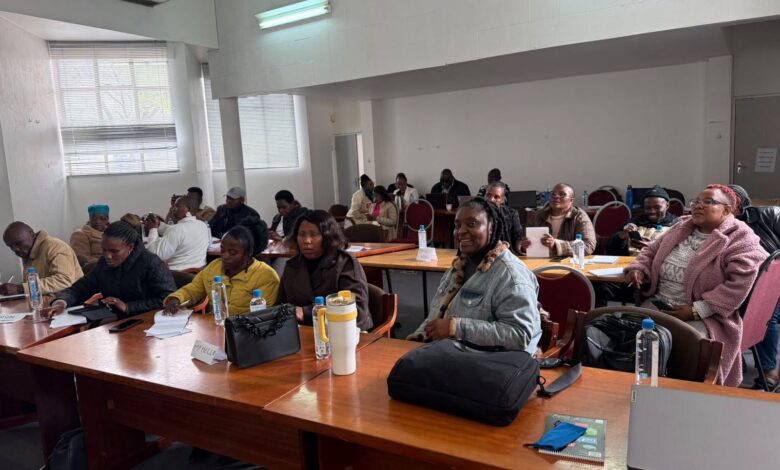
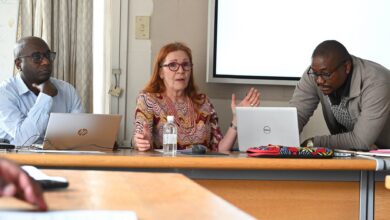
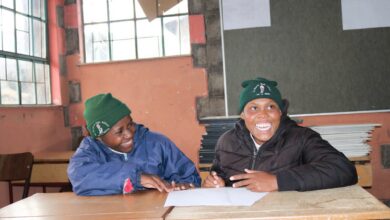
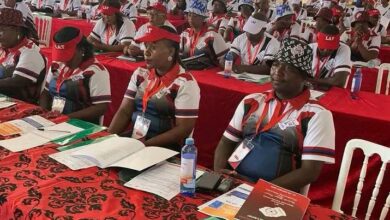
Special education experts are leading an intensive five-day workshop in Maseru aimed at addressing some of the long-standing barriers preventing students with special needs from reaching their full potential in Lesotho classrooms. The professional development programme brings local educators together to examine the practical challenges of implementing inclusive education and to strengthen the skills teachers need to support learners with disabilities. The workshop started on Monday and will run until Friday, giving participants several days of focused training and knowledge sharing. The programme is also expected to create a network of trained educators who can take the lessons learned back to schools and districts across the country. The initiative represents an important step towards creating learning environments where children with disabilities can receive consistent support regardless of where they attend school.
According to Ministry of Education and Training Special Education Manager Mrs. ‘Mapaballo Setlaba, the ministry has worked with a team from Kenya to develop a Teacher Inclusive Training Manual. She explained that the process began with a master trainers workshop held the previous week, followed by the current training of trainers programme. The expectation is that those receiving training will take the knowledge and skills gained during the workshop back to teachers in their respective schools and districts. This approach is designed to expand the reach of the programme beyond the educators attending the five-day session in Maseru. By developing trainers who can support other teachers, the ministry aims to create a sustainable system for strengthening inclusive education practices throughout Lesotho.
The Teacher Inclusive Training Manual is intended to provide a standard approach to the inclusion of children with disabilities in schools. Mrs. Setlaba explained that the manual will help standardise how inclusion is implemented and how information is communicated to learners with different needs. A consistent framework is important because students with disabilities can face very different experiences depending on the school or district they attend. Some learners may receive appropriate accommodations and support while others may encounter barriers that prevent them from participating fully in classroom activities. Establishing common guidelines can help reduce these differences and ensure that inclusive education becomes a consistent practice rather than something that depends on individual schools or teachers.
The new framework seeks to ensure that every learner receives appropriate support and accessible communication within the classroom. This is particularly important because children with disabilities have different educational requirements depending on their sensory, cognitive or physical needs. Teachers need practical guidance on how to adapt teaching methods, classroom materials and communication approaches to ensure that learners can participate meaningfully. Standardised guidance can also help educators understand their responsibilities and identify appropriate forms of support for individual learners. The ultimate objective is to ensure that a child’s access to quality education does not depend on the resources, knowledge or inclusion practices available at a particular school.
Mrs. Setlaba identified inconsistent inclusion practices between schools and districts as a long-standing challenge within special education. Without centralised guidelines, children with disabilities can experience different levels of accommodation, teaching support and access to learning resources. This inconsistency can create significant disadvantages for learners who move between schools or live in areas where specialised resources are limited. It can also make it difficult for teachers to know which practices they should follow when supporting students with different disabilities. The new manual is intended to address this problem by establishing a clearer and more uniform approach that can be applied across learning environments.
The drafted manual establishes a universal framework covering important aspects of inclusive education. According to Mrs. Setlaba, it outlines mandatory practices for classroom integration, specialised teacher training and the allocation of assistive technologies. These elements are important because inclusion requires more than simply placing children with disabilities in mainstream classrooms. Learners also need teaching methods, classroom environments and assistive resources that allow them to participate effectively in lessons. Providing teachers with clear standards can help schools move towards meaningful inclusion where learners with disabilities receive the support required to engage with the curriculum.
The focus on assistive technologies is particularly significant because technology can help remove barriers that prevent children with disabilities from accessing educational content. Depending on a learner’s needs, assistive tools can support communication, reading, writing, hearing, mobility or interaction with digital learning materials. However, providing technology alone does not guarantee successful inclusion because teachers also need the skills to use these tools effectively. The training programme therefore connects teacher development with the appropriate use and allocation of assistive technologies. This combination can help schools create more accessible learning environments and give educators practical ways to respond to the needs of individual learners.
Another major focus of the manual is the systematic dissemination of information. Mrs. Setlaba explained that traditional communication methods can leave students with sensory, cognitive or physical disabilities behind. The new guide introduces standardised formats for educational materials to address some of these communication barriers. Accessible information is essential because learners cannot fully participate in education if teaching content is presented in formats they cannot understand, see, hear or interact with effectively. Establishing clear standards for educational materials can help teachers provide information in ways that are more responsive to different learning needs.
The challenges facing inclusive education extend beyond classrooms and school resources. Mrs. Setlaba highlighted the role of deep-rooted societal stigma surrounding disability, which can prevent children from attending school altogether. In some communities, families may hide children with disabilities because of shame or because they believe that investing in their education will not produce meaningful benefits. Such attitudes can deny children their right to education before they even have an opportunity to enter the classroom. Addressing these beliefs will therefore require efforts that involve not only teachers and education officials but also parents, community leaders and wider society.
Mrs. Setlaba called for intensive community-led advocacy campaigns to help change attitudes towards disability. She stressed that education is a fundamental right for every Mosotho child and urged parents, traditional leaders and communities to recognise that disability does not mean inability. Community involvement can play an important role in encouraging families to enrol children with disabilities and support their continued participation in education. Traditional leaders and community structures can also help challenge harmful beliefs and promote acceptance and inclusion. Changing attitudes alongside improving school systems can create stronger conditions for children with disabilities to attend school, participate in learning and develop their potential.
Lesotho’s approach to special education has increasingly focused on moving away from segregated special schools towards inclusive education. The Ministry of Education and Training, together with organisations such as UNICEF, has supported efforts to strengthen inclusive approaches that allow children with disabilities to learn alongside their peers where appropriate. This transition requires changes in teacher training, school infrastructure, curriculum delivery, communication and access to assistive resources. It also requires communities to understand that inclusion benefits from a shared commitment rather than relying solely on specialised educators. The five-day workshop and the Teacher Inclusive Training Manual form part of the broader effort to strengthen the capacity of the education system to support this transition.
The training of trainers approach could prove particularly important for sustaining progress after the Maseru workshop ends. Rather than limiting the benefits of professional development to a small group of participants, trained educators can share their knowledge with colleagues in other schools and districts. This can help create a wider pool of teachers who understand inclusive education principles and know how to apply them in their classrooms. Continued monitoring and support will remain important to ensure that the guidance in the manual translates into everyday practice. If the training is effectively implemented across the country, it could contribute to more consistent educational experiences for learners with disabilities.
The five-day workshop in Maseru represents an important effort to address both practical and social barriers facing students with special needs in Lesotho. The development of the Teacher Inclusive Training Manual provides educators with a structured framework for classroom integration, specialised training, accessible communication and assistive technology. At the same time, the call for community-led advocacy recognises that genuine inclusion requires changes in attitudes as well as improvements within schools. Ensuring that every Mosotho child can access quality education will depend on cooperation between teachers, government, families, traditional leaders, communities and development partners. By strengthening teacher capacity and promoting a more consistent approach to inclusive education, Lesotho can take meaningful steps towards ensuring that disability never becomes a barrier to a child’s right to learn and build a better future.
Join 'Lesotho News' WhatsApp Channel
Get breaking Lesotho news — delivered directly to your WhatsApp.
CLICK HERE TO JOIN