Police Disability Guideline Booklet Aims to Improve Access to Justice for Persons With Disabilities in Lesotho

The launch of the Police Disability Guideline Booklet marks an important step towards creating a more inclusive policing system in Lesotho. The publication has been developed to help police officers better understand how to serve persons with disabilities while ensuring equal access to justice for every citizen. As awareness of disability rights continues to grow across the world, law enforcement agencies are increasingly recognising the importance of providing services that are accessible, respectful and responsive to the needs of all members of society. The new guideline booklet is expected to strengthen the relationship between the Lesotho Mounted Police Service and communities by promoting fair treatment and improving communication. Its introduction also highlights the commitment to ensuring that no one is excluded from receiving police assistance because of a disability.
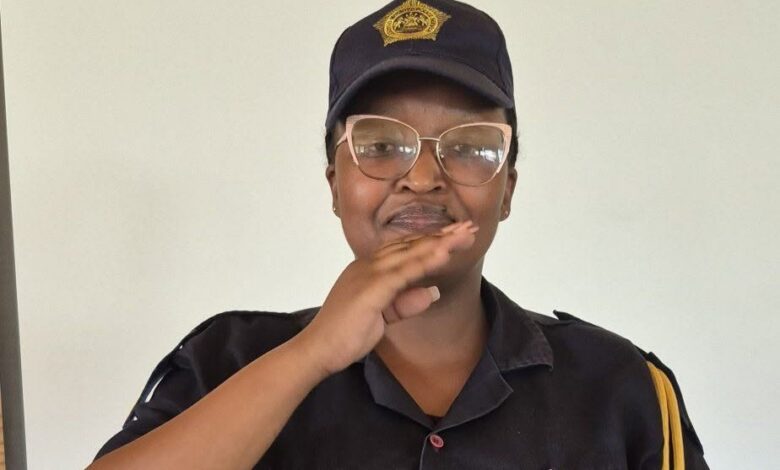
Speaking in an interview after the official launch of the Disability Guideline Booklet at the Police Training College on July 3, 2026, Woman Police Constable Nthatuoa Mohlomi from the Disability Unit at Police Headquarters encouraged officers across the country to actively use the publication. She explained that the booklet was created to address the limited understanding many police officers have about disability issues and how they affect access to police services. According to W/P/C Mohlomi, the guidelines are intended to improve service delivery while helping officers provide professional assistance to persons with disabilities in a respectful and effective manner. She stressed that the booklet should not simply become another document stored in offices but should instead be used as a practical reference during everyday policing. Her message was clear that meaningful change depends on officers applying the guidance whenever they interact with members of the public.
W/P/C Mohlomi noted that discrimination remains a challenge for many people living with disabilities because disability awareness is still limited among sections of both the public and law enforcement. She explained that misunderstandings often result in barriers that prevent people with disabilities from accessing important public services, including police assistance. The guideline booklet has therefore been designed to provide practical information that helps officers understand different disabilities and respond appropriately in various situations. It also promotes respectful communication and encourages officers to consider the specific needs of each individual instead of applying the same approach to every case. By improving knowledge within the police service, the booklet aims to reduce discrimination and strengthen confidence in law enforcement institutions.
One of the key strengths of the booklet is its comprehensive approach to disability awareness. W/P/C Mohlomi explained that the guidelines cover several forms of disability, including deafness, blindness and physical impairments. Each section provides practical recommendations on how officers should communicate with and assist individuals depending on their specific circumstances. This approach recognises that disabilities affect people in different ways and that police officers must adapt their methods to provide effective support. By understanding these differences, officers can deliver services that are more inclusive and responsive to the needs of every citizen.
Special attention has been given to improving communication with deaf persons, particularly those who rely on sign language. W/P/C Mohlomi highlighted the importance of ensuring that deaf individuals can report crimes, provide statements and access police services without unnecessary obstacles. Effective communication is essential during criminal investigations and emergency situations, making accessibility a critical part of delivering justice. She believes that removing communication barriers will encourage greater trust between the police and deaf communities. Ensuring equal participation throughout the justice process helps protect the rights of victims, witnesses and suspects alike.
The booklet also reflects a broader vision of making police services more accessible for blind persons. W/P/C Mohlomi expressed hope that Braille versions of police information will eventually become available to improve access for individuals with visual impairments. Such resources would allow blind citizens to obtain important information independently while strengthening their ability to engage with police services. Expanding information into accessible formats demonstrates a commitment to equal opportunities and inclusive public service delivery. These improvements could help ensure that no one is disadvantaged because information is unavailable in a format they can use.
Although W/P/C Mohlomi wrote the guideline booklet independently, she ensured that it reflected the real experiences of persons with disabilities by consulting them directly during its development. Through interviews and discussions, she gathered valuable insights into the challenges many individuals encounter when seeking assistance from police officers. This consultative approach allowed her to identify practical solutions based on lived experiences rather than assumptions. Listening to the voices of people with disabilities helped shape recommendations that are both relevant and realistic. As a result, the booklet addresses genuine concerns while promoting meaningful improvements within the policing system.
The Lesotho Mounted Police Service now plans to introduce awareness and sensitisation programmes across all districts to support the implementation of the new guidelines. These training initiatives will familiarise officers with the contents of the booklet and encourage them to apply its recommendations consistently in their daily duties. Continuous training is expected to reinforce disability awareness while helping officers build confidence when assisting people with different needs. The nationwide rollout also demonstrates that the police service views disability inclusion as an ongoing priority rather than a once-off initiative. Consistent education can play a significant role in creating lasting improvements throughout the organisation.
According to W/P/C Mohlomi, police officers should always remember that persons with disabilities may require different approaches depending on their individual circumstances. She stressed that every person deserves to be treated with dignity, respect and sensitivity regardless of their disability. Recognising individual needs does not mean offering special treatment but rather ensuring equal access to justice and public services. She also explained that the true success of the guideline booklet will ultimately be measured by the experiences of persons with disabilities themselves. Positive feedback from the community and improved access to police services will demonstrate whether the initiative has achieved its intended goals.
W/P/C Mohlomi concluded by urging police officers to read, research and actively use the guideline booklet instead of allowing it to remain unused on office shelves. She encouraged every officer to view disability inclusion as an essential part of professional policing and public service. She also called on persons with disabilities, including people with albinism, to report crimes without fear and to have confidence that they will receive respectful assistance. Her vision is for a policing system where accessibility, equality and dignity are embedded in everyday practice across Lesotho. The Police Disability Guideline Booklet represents an important foundation for achieving that goal and has the potential to create a more inclusive justice system that serves every Basotho fairly and without discrimination.
Join 'Lesotho News' WhatsApp Channel
Get breaking Lesotho news — delivered directly to your WhatsApp.
CLICK HERE TO JOIN