Quthing Becomes the Seventh District in Lesotho’s Nationwide Mapping of the Creative Industry
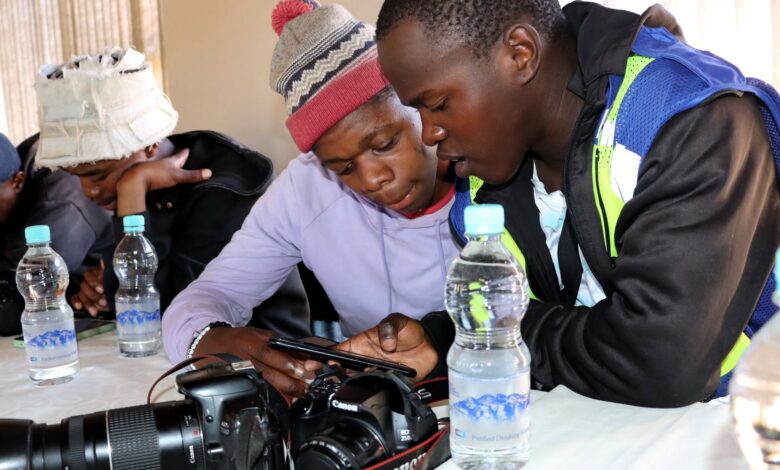
The Ministry of Tourism, Sports, Arts and Culture, through the Department of Arts and Culture, has taken its Digital Environment Mapping initiative to Quthing District as Lesotho continues efforts to understand and strengthen its cultural and creative industries. The nationwide programme is being implemented across all ten districts of the country and aims to collect important information about the people and businesses contributing to the creative sector. Quthing is the seventh district reached so far in the exercise, marking another significant step towards building a clearer picture of Lesotho’s creative economy. The initiative seeks to identify the number, diversity and activities of artists and creative industry practitioners operating in different parts of the country. By gathering this information directly from creative communities, the government can develop more informed strategies to support the sector and create opportunities for its continued growth.
The Digital Environment Mapping initiative is designed to provide a detailed understanding of Lesotho’s cultural and creative industries at district level. Creative practitioners contribute to the country through activities such as music, visual arts, crafts, fashion, film, performing arts, design and other forms of cultural expression. However, without reliable information about who these practitioners are, where they operate and what challenges they face, it can be difficult to design programmes that respond to their needs. The mapping process is therefore expected to create a valuable database of creative practitioners across Lesotho. This information can help policymakers and other stakeholders better understand the size and diversity of the sector while identifying areas where targeted support may be needed.
The arrival of the mapping exercise in Quthing is particularly important because creative talent exists across Lesotho and is not limited to the capital or larger urban centres. Artists and creative entrepreneurs in districts such as Quthing contribute to the preservation and promotion of Basotho culture while developing products and services that can generate income. Local creative practitioners may also draw inspiration from the history, traditions, landscapes and communities around them, giving their work a distinct cultural identity. Documenting these practitioners can help ensure that their contributions are recognised within national development planning. It can also make it easier for government and development partners to understand the opportunities and challenges facing creatives outside the country’s main economic centres.
The mapping exercise will establish the number and diversity of artists and creative industry practitioners in each district. Collecting this information can help identify the different creative disciplines operating across the country and provide a clearer understanding of the sector’s structure. It can also reveal gaps in access to resources, training, markets, technology and other opportunities that may affect the ability of practitioners to develop sustainable careers. Reliable data can support more targeted interventions because policymakers will have stronger evidence when deciding where support should be directed. For creative practitioners, the process offers an opportunity to make their work more visible and ensure that their experiences are considered when national programmes are designed.
The initiative also has a strong connection to the growing importance of digital spaces in the creative economy. Digital platforms have changed how artists promote their work, reach audiences, sell products and connect with potential partners both locally and internationally. However, access to digital opportunities can depend on skills, connectivity, equipment, funding and knowledge of online markets. By considering the digital environment in which creative practitioners operate, the mapping initiative can help identify some of the barriers preventing creatives from taking full advantage of digital platforms. Understanding these challenges can contribute to strategies aimed at helping Basotho creatives participate more effectively in the digital economy.
Beyond collecting information, the Digital Environment Mapping initiative is also contributing to the development of a Cultural and Creative Industries policy for Lesotho. A clear policy framework can help establish an enabling environment where creative practitioners can develop their skills, grow their businesses and access new opportunities. It can also provide a basis for addressing challenges that affect the sector, including access to finance, markets, training, technology and professional networks. Policy development based on accurate information is more likely to reflect the realities faced by practitioners across different parts of the country. The mapping exercise can therefore provide an important evidence base for shaping policies that respond to the actual needs of Lesotho’s creative community.
The focus on creating an enabling environment is important because creative work can contribute to both cultural preservation and economic development. Artists and creative businesses can generate employment, develop local products and services and promote Lesotho’s cultural identity. Creative industries can also contribute to tourism by providing visitors with opportunities to experience local music, art, crafts, fashion, performances and other cultural products. Supporting these industries can therefore create benefits that extend beyond individual practitioners. A stronger creative economy can contribute to wider national development while ensuring that Basotho culture remains visible and relevant in changing social and digital environments.
The initiative is supported by UNESCO, adding an important international dimension to Lesotho’s efforts to strengthen its creative economy. Support from an organisation with experience in culture, education, science and creative development can provide valuable expertise as the country works to better understand its cultural industries. The partnership also demonstrates the importance of collaboration between national institutions and international organisations when developing systems that can support creative practitioners. UNESCO’s involvement can contribute to broader efforts to ensure that cultural and creative industries are recognised as an important part of sustainable development. For Lesotho, such cooperation can help strengthen the foundation for policies and programmes that place culture and creativity at the centre of development planning.
Reaching Quthing as the seventh district represents steady progress towards the nationwide goal of mapping all ten districts. The completion of each district adds more information to the overall picture of Lesotho’s creative sector and helps ensure that practitioners from different communities are represented. Once the exercise reaches all districts, the information collected can provide a stronger national understanding of the scale and diversity of the country’s cultural and creative industries. This can support better planning and potentially improve the way opportunities and resources are made available to practitioners. Ensuring broad geographic coverage is particularly important because it prevents the creative economy from being understood only through the experiences of practitioners based in major urban areas.
The Digital Environment Mapping initiative in Quthing therefore represents more than a data collection exercise. It is part of a broader effort to recognise the contribution of Basotho artists and creative industry practitioners and ensure that their voices are included in national development strategies. By documenting the sector, supporting policy development and examining participation in digital spaces, the initiative can help create conditions for creatives to build sustainable careers and businesses. The support of UNESCO further strengthens the programme as Lesotho works to develop a more inclusive and dynamic creative economy. As the mapping continues into the remaining districts, the information gathered could provide an important foundation for policies and programmes that allow Lesotho’s creative talent to gain greater recognition, access more opportunities and contribute more strongly to the country’s cultural and economic development.
Join 'Lesotho News' WhatsApp Channel
Get breaking Lesotho news — delivered directly to your WhatsApp.
CLICK HERE TO JOIN