Lesotho Receives 100,000 FMD Vaccine Doses from Botswana to Strengthen Livestock Protection

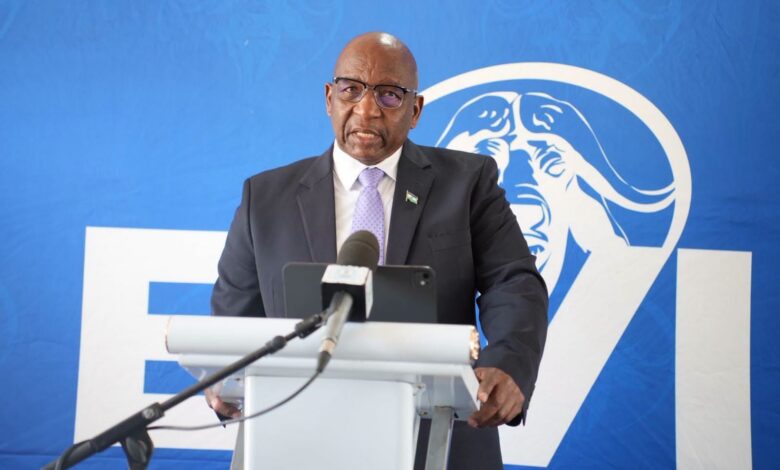
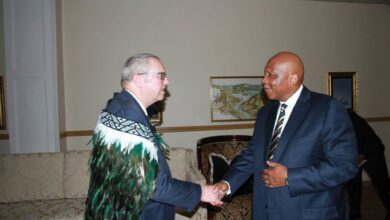
Lesotho has received 100,000 doses of Foot-and-Mouth Disease (FMD) vaccine from the Government of Botswana, strengthening cooperation between the two neighbouring countries while supporting efforts to protect livestock and rural livelihoods. The vaccines were officially handed over to the Government of Lesotho during a ceremony held in Maseru, attended by senior officials from both countries. The donation comes as Lesotho continues working to control and eventually eradicate Foot-and-Mouth Disease, a highly disruptive livestock disease that can affect farmers, food security and economic activity. For many Basotho families, livestock provides an important source of income, food and household security, making animal health a major national concern. Botswana’s decision to provide vaccine support therefore represents both practical assistance and a broader commitment to regional cooperation on animal health.
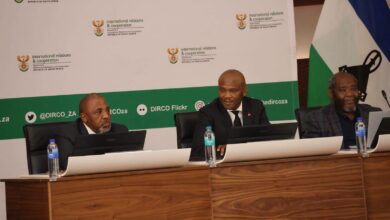
Speaking during the handover ceremony, Lesotho Prime Minister Samuel Ntsokoane Matekane expressed his appreciation to the Government of Botswana for the assistance. He described the donation as an important demonstration of friendship, unity and cooperation between the two countries. Prime Minister Matekane emphasised that livestock plays a central role in the livelihoods of many Basotho families and that animal diseases can place those households under serious financial pressure. When livestock becomes sick or disease-control measures restrict the movement and sale of animals, families that depend on farming can face significant losses. The vaccine donation is therefore expected to support both the government’s animal health programme and the communities whose livelihoods depend on healthy livestock.
Prime Minister Matekane said Basotho people rely heavily on animals for their livelihoods and remain vulnerable when livestock faces serious health challenges. He welcomed Botswana’s decision to share its resources with Lesotho and said the assistance demonstrated how countries can support each other when confronted by difficult challenges. His remarks also highlighted the wider importance of regional solidarity, particularly when animal diseases can threaten agricultural production and trade across national borders. The Prime Minister commended the Botswana Vaccine Institute for its contribution to the fight against Foot-and-Mouth Disease and other animal health challenges. He also stressed that healthy livestock contributes to food security, employment opportunities and economic development, making animal disease control important beyond the agricultural sector.
The donation also carries significance for cooperation between African countries, particularly within the Southern African Development Community region. Foot-and-Mouth Disease does not follow political or geographical boundaries, which means outbreaks in one country can create risks for neighbouring countries through livestock movement and trade. Effective disease control therefore requires countries to exchange information, technical expertise, resources and appropriate vaccines. Botswana’s support to Lesotho demonstrates how regional partnerships can provide practical assistance when one country faces an animal health emergency. It also reinforces the importance of building long-term systems that allow countries to respond quickly to diseases that can threaten farmers and national economies.
Lesotho’s Minister of Agriculture, Food and Nutrition, Selibe Mochoboroane, also thanked the Botswana Vaccine Institute for its assistance since the beginning of Lesotho’s efforts to combat Foot-and-Mouth Disease. She explained that Botswana’s contribution extends beyond the supply of vaccines and reflects a partnership that can help strengthen sustainable animal health systems. Mochoboroane used the expression that a single tree does not make a forest to underline the importance of collaboration in dealing with animal diseases. Her comments highlighted the reality that vaccination campaigns require coordination between governments, veterinary authorities, farmers and technical institutions to achieve lasting results. She assured stakeholders that the vaccines would be used effectively as part of Lesotho’s broader efforts to control the disease.
Speaking on behalf of the President of Botswana, Botswana’s Minister of Agriculture, Dr Edwin Goraotaone Dikoloti, described the vaccine donation as a demonstration of friendship and solidarity between Botswana and Lesotho. He said the two countries continue to work together to advance shared interests and strengthen their bilateral relationship. Botswana understands the importance of livestock to communities and economies across the region, which influenced its decision to support Lesotho during its fight against Foot-and-Mouth Disease. Dr Dikoloti also highlighted the role played by the Botswana Vaccine Institute since its establishment in responding to animal health challenges. He said the institute has made an important contribution to combating Foot-and-Mouth Disease and other animal diseases affecting Botswana and the wider African continent.
Dr Dikoloti further stressed that animal diseases do not respect national borders, making regional cooperation essential for effective disease control. He said Botswana would continue working with Lesotho and other SADC countries to strengthen animal health and improve the region’s ability to respond to disease outbreaks. The 100,000 vaccine doses therefore represent more than a single shipment of medical supplies because they form part of a wider effort to protect livestock across the region. Strong cooperation between neighbouring countries can help governments share technical knowledge, improve preparedness and respond more effectively when outbreaks occur. The Maseru handover ceremony consequently marked another step in strengthening the relationship between Botswana and Lesotho while addressing a challenge that affects both agriculture and livelihoods.
The Director General of the Botswana Vaccine Institute, Dr Keabetswe Moagabo, explained that the institute operates under Botswana’s Ministry of Agriculture and has maintained a strong focus on vaccine quality. He said BVI products have undergone testing over many years to ensure they meet appropriate standards and are fit for their intended purpose. The institute also provides vaccine-to-type matching services, which can help ensure that vaccination programmes use vaccines appropriate for the disease strains being targeted. Dr Moagabo confirmed that the vaccines supplied to Lesotho are suitable for use in the country’s fight against Foot-and-Mouth Disease. This technical assurance is important because successful vaccination depends not only on having sufficient doses but also on using appropriate vaccines as part of a coordinated disease-control strategy.
The 100,000 doses are expected to strengthen Lesotho’s ongoing vaccination campaign as the government continues seeking additional supplies to expand vaccination coverage nationwide. Wider vaccination can help protect vulnerable livestock populations and reduce the potential impact of Foot-and-Mouth Disease on farming communities. Disease control also has wider implications because healthy animals support food production, household income, employment and agricultural trade. Farmers depend on effective veterinary services and government interventions to reduce the risks posed by serious animal diseases. By increasing access to vaccines, Lesotho can strengthen one of the key tools available to veterinary authorities as they work to manage and ultimately eradicate the disease.
The assistance from Botswana also highlights the economic importance of protecting livestock in Lesotho. For many rural households, cattle, sheep, goats and other animals represent valuable assets that can contribute to household income and food security. A serious livestock disease can undermine these assets and create additional pressure for families already dependent on agriculture. Protecting animal health can therefore support broader development objectives, particularly in communities where farming remains an important economic activity. The vaccine donation gives Lesotho additional resources to protect livestock while demonstrating how regional partnerships can help countries address agricultural challenges that have consequences for ordinary households.
The handover of 100,000 Foot-and-Mouth Disease vaccine doses represents an important moment in the ongoing cooperation between Lesotho and Botswana. It provides Lesotho with additional support as the country works to strengthen vaccination and disease-control efforts across the nation. At the same time, it demonstrates the value of African countries sharing resources, expertise and technical capacity when confronting challenges that can cross national borders. The partnership between the two countries shows that effective animal health programmes depend on cooperation between governments, veterinary institutions and farmers. As Lesotho continues its campaign against Foot-and-Mouth Disease, Botswana’s support is expected to contribute to protecting livestock, supporting Basotho families, strengthening food security and deepening the spirit of regional solidarity.
Join 'Lesotho News' WhatsApp Channel
Get breaking Lesotho news — delivered directly to your WhatsApp.
CLICK HERE TO JOIN