Lesotho Prepares for 76th African Regional Health Assembly With Focus on Health Progress and Public Health
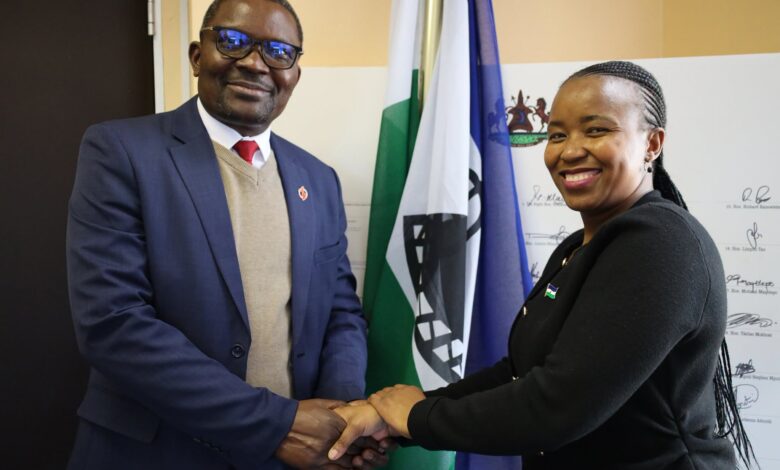
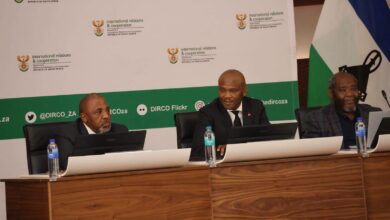
Lesotho is intensifying preparations for the 76th African Regional Health Assembly as the country prepares to participate in important discussions on the future of health across the region. The Director of the World Health Organization in Lesotho, Dr Innocent Nuwagira, recently met with the Minister of Health, Hon. Mamokete Ntsekhe, and the Secretary of the Ministry of Health to discuss matters connected to the upcoming assembly. The meeting provided an opportunity to review Lesotho’s health achievements and consider the issues that will shape the country’s participation at the regional gathering. Particular attention was given to progress in maternal and child health, healthcare delivery, public health education and disease prevention. The discussions also highlighted Lesotho’s ongoing efforts to implement its national plan to combat and eradicate polio.
The 76th African Regional Health Assembly provides an important platform for African countries to discuss shared health priorities and exchange experiences in addressing public health challenges. Lesotho’s participation gives the country an opportunity to present its progress while also learning from approaches being implemented elsewhere on the continent. Health challenges often cross national borders, making regional cooperation essential for disease prevention, healthcare improvement and emergency preparedness. The assembly can therefore help countries strengthen partnerships and identify practical approaches to improving health outcomes. For Lesotho, the preparations provide an opportunity to ensure that its achievements, challenges and priorities are clearly represented during regional discussions.
One of the key areas expected to feature prominently in Lesotho’s presentation is the country’s progress in reducing maternal and child mortality. Maternal and child health remains an important measure of the effectiveness and accessibility of healthcare systems because mothers and children require timely and quality care at different stages of pregnancy, childbirth and early childhood. Progress in reducing preventable deaths can reflect improvements in antenatal care, skilled birth attendance, postnatal services, immunisation and access to essential healthcare. Presenting these achievements at the regional assembly can allow Lesotho to demonstrate areas where health interventions have produced positive results. It can also create opportunities for the country to identify remaining gaps and strengthen strategies aimed at protecting mothers and children.
Improving the delivery of health services is another important issue that will form part of the broader discussion around Lesotho’s health progress. Effective healthcare depends on accessible facilities, trained healthcare workers, essential medicines, reliable equipment and systems that allow patients to receive appropriate treatment when they need it. Improving service delivery can also involve strengthening primary healthcare so that communities receive preventive and basic medical services closer to where they live. Better coordination between different levels of the health system can help ensure that patients receive continuous care and appropriate referrals when necessary. Lesotho’s participation in the regional assembly can provide an opportunity to share experiences in strengthening these areas while learning from health systems across Africa.
Health education also remains central to efforts to improve public health outcomes in Lesotho. Communities need accurate and accessible information to understand how diseases spread, how they can prevent illness and when they should seek medical attention. Public health education can support healthier behaviours and encourage communities to participate in programmes such as immunisation, disease surveillance and maternal and child health services. It can also help counter misinformation that may prevent people from accessing essential healthcare interventions. Strengthening health education therefore supports both individuals and communities by giving people practical information that can help them make informed decisions about their health.
Protecting communities against diseases remains another major priority for Lesotho as the country works to strengthen its public health systems. Disease prevention requires coordinated efforts involving healthcare workers, government institutions, communities and international partners. Immunisation, surveillance, health education, early detection and timely response all play important roles in preventing outbreaks and reducing the impact of infectious diseases. Strong public health systems must also remain prepared to respond when new health threats emerge. Lesotho’s participation in regional health discussions can support greater cooperation and knowledge sharing in these areas.
The country’s progress in implementing its national plan to combat and eradicate polio is also an important part of its health agenda. Polio eradication requires sustained commitment because maintaining high vaccination coverage and strong disease surveillance remains essential even when cases are reduced or eliminated in particular areas. Health authorities must continue working with communities and healthcare providers to ensure that children receive recommended vaccinations and that suspected cases are identified and investigated quickly. Public awareness is also important because parents and caregivers need to understand the importance of vaccination in protecting children from preventable diseases. Lesotho’s progress in implementing its polio eradication plan will therefore be relevant to broader regional efforts to protect communities from polio and other vaccine-preventable diseases.
The meeting between Dr Innocent Nuwagira, Minister Mamokete Ntsekhe and the Secretary of the Ministry of Health demonstrates the importance of coordination ahead of a major regional health gathering. Preparing a national position requires government and health partners to identify achievements, challenges and priorities that need to be communicated effectively. It also allows stakeholders to ensure that the country’s participation reflects current health needs and ongoing programmes. Collaboration between the Ministry of Health and the World Health Organization can strengthen this preparation by bringing together national experience and international public health expertise. Such coordination can help Lesotho participate meaningfully in regional discussions and identify opportunities for further support and cooperation.
Lesotho’s preparation for the 76th African Regional Health Assembly also reflects the country’s broader commitment to improving healthcare services and protecting public health. The issues under discussion extend beyond individual medical treatments and include prevention, health education, disease control, maternal and child health and the overall quality of healthcare delivery. Progress in these areas can have a direct impact on communities, particularly those that face barriers to accessing essential services. Continued investment in health systems can help improve the country’s ability to respond to both existing and emerging health challenges. Regional cooperation can further strengthen these efforts by allowing Lesotho to share experiences and benefit from lessons developed across the African continent.
As the 76th African Regional Health Assembly approaches, Lesotho has an opportunity to showcase its health achievements while identifying areas that require continued attention. The country’s progress in reducing maternal and child mortality, improving healthcare delivery, strengthening health education and protecting communities against diseases demonstrates the importance of sustained investment in public health. Its ongoing implementation of the national plan to combat and eradicate polio further highlights the need for continued commitment to disease prevention and immunisation. The engagement between the World Health Organization and Lesotho’s Ministry of Health provides a strong foundation for coordinated participation at the assembly. Through continued collaboration, effective public health education and focused improvements in healthcare delivery, Lesotho can strengthen its health system and work towards better health outcomes for communities across the country.
Join 'Lesotho News' WhatsApp Channel
Get breaking Lesotho news — delivered directly to your WhatsApp.
CLICK HERE TO JOIN