Lesotho Calls for Stronger Parental Engagement as World Population Day Highlights Youth Health Challenges

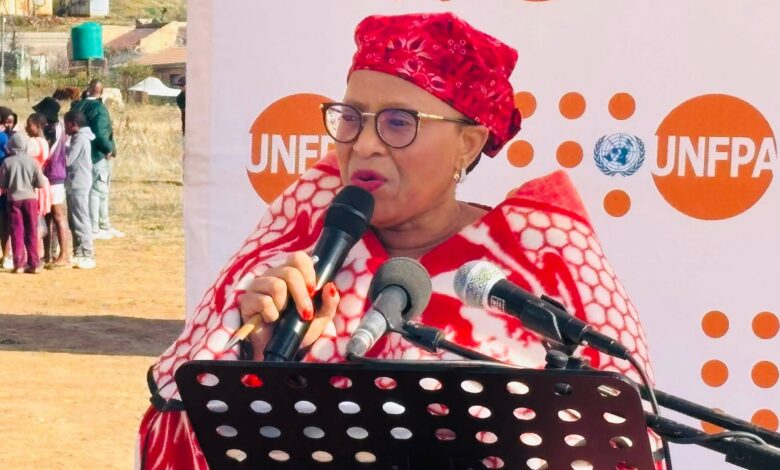
Lesotho used this year’s World Population Day commemorations to shine a spotlight on the urgent need to improve the health and wellbeing of young people, particularly adolescent girls. During an event held at Ha Lekhema, government leaders, healthcare professionals and development partners called for greater collaboration to address teenage pregnancy, maternal mortality, HIV infections and limited access to sexual and reproductive health services. The gathering also featured the donation of calibrated drapes, linens and other essential medical supplies from the United Nations Population Fund (UNFPA), reinforcing the country’s efforts to strengthen maternal healthcare. The event brought together senior government officials, healthcare workers and community leaders to discuss practical solutions that can improve outcomes for young people across Lesotho. The discussions emphasized that protecting the next generation requires action from families, communities and institutions alike.
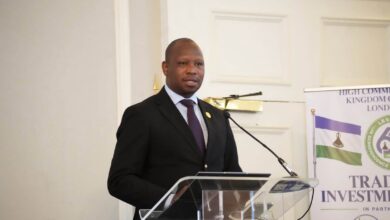
Delivering the keynote address, Minister of Finance and Development Planning Dr. Rets’elisitsoe Matlanyane urged parents to take a more active role in educating their children about Sexual and Reproductive Health Services rather than leaving these important conversations solely to teachers. She stressed that parents have a unique influence on their children’s decisions and that open communication at home can help young people make informed choices. Dr. Matlanyane explained that addressing adolescent health requires a collective effort involving government ministries, development partners, non-governmental organizations, traditional leaders, chiefs, parents and young people themselves. She noted that every stakeholder has a responsibility to help create an environment where young people can grow into healthy and productive adults. According to the Minister, meaningful family discussions can complement school education and strengthen efforts to reduce teenage pregnancy and other health challenges.
Dr. Matlanyane also highlighted the economic and social factors contributing to the challenges faced by young people, particularly in Mohale’s Hoek district. She revealed that young women account for 51.6 percent of youth who are not employed, enrolled in education or receiving vocational training. According to her, this lack of opportunity contributes to higher rates of early pregnancy because many young people are left without productive activities or clear pathways toward achieving their goals. She expressed concern that unemployment and limited educational opportunities are undermining the hopes and aspirations of many young Basotho. Addressing these underlying issues, she said, is essential to creating lasting improvements in adolescent health and development.
Reflecting on statistics presented during the event, Dr. Matlanyane described the growing number of teenage pregnancies as deeply concerning. She emphasized that these figures represent far more than numerical data because they reflect interrupted education, unrealized dreams and untapped potential among young girls. Every teenage pregnancy, she noted, affects not only the individual but also families, communities and the country’s future development. She assured attendees that the government remains committed to working alongside development partners to find practical solutions. Planned investments in education, skills development and job creation are expected to provide young people with greater opportunities while reducing the social conditions that contribute to early pregnancies.
The World Population Day event also highlighted the importance of strengthening maternal healthcare through improved medical resources. Minister of Health ‘Mamokete Nts’ekhe welcomed UNFPA’s donation of calibrated drapes, linens and other medical supplies, describing the contribution as both timely and significant. She explained that the donations align closely with this year’s World Population Day theme, “Realizing the Hopes and Aspirations of Young People Today and for the Future.” Rather than being viewed as ordinary medical equipment, the supplies represent an investment in the health, dignity and survival of mothers and newborn babies. Strengthening healthcare facilities with appropriate equipment remains a critical component of reducing preventable maternal deaths.
Minister Nts’ekhe explained that calibrated drapes play a particularly important role in maternal healthcare because they help healthcare workers accurately measure postpartum blood loss following childbirth. Early detection of excessive bleeding allows medical teams to intervene quickly, reducing complications associated with postpartum haemorrhage. Postpartum haemorrhage remains one of the leading causes of maternal mortality in Lesotho, making accurate diagnosis and prompt treatment essential. The donated equipment will improve clinical decision-making and strengthen emergency obstetric care across healthcare facilities. These improvements are expected to contribute to better outcomes for mothers and newborns throughout the country.
While appreciating healthcare workers for their dedication, Minister Nts’ekhe also reminded them of the importance of delivering compassionate and respectful care to every patient. Drawing on her own professional experience as a nurse, she acknowledged the difficult working conditions faced by many healthcare professionals, including staff shortages and heavy workloads. However, she emphasized that these challenges should never result in poor treatment of patients. She shared a personal experience of being shouted at by a healthcare worker who did not recognize her, using the incident to reinforce the importance of professionalism and patient-centered care. The Minister also informed Dr. Matlanyane about the continuing shortage of doctors in hospitals, highlighting the need for additional investment in the country’s healthcare workforce.
District Medical Officer Dr. Bokang Kojana presented alarming statistics regarding adolescent health in Mohale’s Hoek. He revealed that one out of every five girls becomes pregnant during adolescence, a trend that contributes to emotional distress and significantly limits educational and career opportunities. According to Dr. Kojana, teenage pregnancy continues to rob many young girls of their dreams and future aspirations. He further noted that Lesotho currently records one of the highest maternal mortality rates, with many of these deaths involving young mothers. These statistics underscore the urgent need for expanded prevention, education and support services for adolescents.
To address these challenges, Dr. Kojana highlighted the establishment of an Adolescent Corner Centre at the hospital, where young people receive education on Sexual and Reproductive Health Services and access to contraception. The centre provides adolescents with accurate information in a supportive environment where they can seek guidance without fear of judgment. Such youth-friendly services are designed to empower young people to make informed decisions about their health and relationships. By creating safe spaces for education and counselling, healthcare providers hope to reduce teenage pregnancies, improve reproductive health and encourage healthier lifestyles. Expanding these services could play an important role in strengthening adolescent healthcare across Lesotho.
HIV prevention also featured prominently during the discussions. Dr. Kojana revealed that Mohale’s Hoek district recorded 244 new HIV infections during the first six months of 2026, with 85 of those cases involving young people. He described these figures as a serious concern, particularly because effective prevention methods such as Pre-Exposure Prophylaxis, commonly known as PrEP, are now available. PrEP significantly reduces the risk of HIV infection when taken before potential exposure, making it an important tool in the country’s HIV prevention strategy. Dr. Kojana encouraged parents, chiefs and community leaders to actively support young people while urging adolescents to take responsibility for protecting their own health by making use of available healthcare services.
UNFPA Country Representative Kennedy John Mosoti outlined the organization’s continued commitment to improving maternal and reproductive healthcare in Lesotho. He explained that the country’s maternal health investment plan represents a $173.3 million strategy aimed at eliminating preventable maternal deaths and reducing the severe maternal mortality ratio, currently estimated at 530 deaths per 100,000 live births. According to Mosoti, fully implementing the investment plan would prevent more than 344,000 unplanned pregnancies, address the 21 percent unmet need for family planning among adolescent girls and save approximately 15,900 lives by 2030. These improvements would be achieved through stronger emergency referral systems, enhanced clinical oversight and expanded healthcare services. The investment demonstrates the long-term value of strengthening maternal healthcare infrastructure and reproductive health services.
Mosoti also highlighted the continuing challenges facing young people in Mohale’s Hoek district. Teenage pregnancy remains high at 15.2 percent, contributing significantly to school dropout rates among girls and limiting future economic opportunities. Access to adolescent-friendly healthcare services remains uneven, particularly in rural communities such as Ketane, Phamong, Qabane and Mpharane, where healthcare facilities are often more difficult to reach. Improving access in these underserved areas will be essential to ensuring that all young people receive the healthcare and information they need. Mosoti reaffirmed UNFPA’s commitment to working alongside the Government of Lesotho to improve maternal health, reproductive healthcare and youth development nationwide.
As the World Population Day commemorations concluded, leaders from government, healthcare institutions and development organizations delivered a unified message that the future of Lesotho depends on investing in its young people today. The event, attended by senior government officials including Principal Secretary in the Ministry of Health ‘Malits’oanelo Monyobi, Nts’ekhe Government Hospital Superintendent Dr. Henri Mahadimby, the Member of Parliament for Mpharane Constituency No. 60 and other stakeholders, reinforced the importance of collaboration in addressing adolescent health challenges. The combination of policy discussions, medical donations and commitments to improved healthcare demonstrates a shared determination to reduce teenage pregnancy, maternal mortality and HIV infections while expanding opportunities for young people. By encouraging parents to have open conversations with their children, strengthening health services and investing in education and employment, Lesotho is taking meaningful steps toward helping its youth realize their hopes and aspirations. Continued cooperation between government, communities and development partners will be essential in creating a healthier, more prosperous future where every young person has the opportunity to survive, thrive and reach their full potential.
Join 'Lesotho News' WhatsApp Channel
Get breaking Lesotho news — delivered directly to your WhatsApp.
CLICK HERE TO JOIN