Renewable Energy Brings Transformation to Schools in Lesotho Through Electrification Project

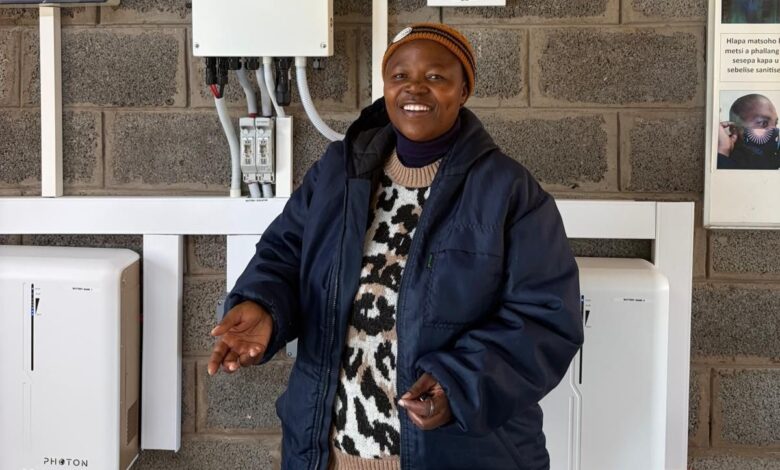
The Renewable Lesotho: Access to Affordable and Renewable Energy project team recently visited two schools in Qacha’s Nek and Mohale’s Hoek to assess the progress of an ongoing school electrification programme. The visits revealed a major shift in how education is being delivered and experienced in these rural communities. What was observed went beyond the installation of electrical infrastructure and reflected a deeper social and educational transformation. Schools that once operated with limited resources are now beginning to function in more modern and effective learning environments. The initiative is part of a broader national effort to expand renewable energy access and improve essential services across Lesotho.
During the school visits, teachers shared how electricity has already started to improve classroom conditions in practical and visible ways. Lessons are now easier to prepare and deliver because educators can use digital tools, lighting and other electrical teaching aids. Evening and early morning preparation work has also become more efficient, allowing teachers to focus more on lesson quality. Classrooms are brighter, which improves concentration and reduces strain for both teachers and learners. These improvements are creating a more structured and supportive teaching environment that was previously difficult to achieve in off-grid areas.
Students expressed strong excitement and curiosity about the arrival of electricity in their schools, describing new possibilities that were not available before. Access to power has introduced them to digital learning opportunities that are gradually expanding their exposure to information and modern skills. Learners are now more engaged during lessons that include visual content, presentations and other interactive methods made possible through electrification. Many students see electricity as a gateway to future careers in technology, science and innovation. This growing sense of possibility is helping to motivate learners to take their education more seriously and participate more actively in class.
The electrification project is also improving the overall learning environment by creating safer and more conducive school spaces. With reliable lighting, schools can extend productive hours for study sessions and extracurricular activities, especially during winter months when daylight is limited. This helps students maximise their learning time and allows schools to organise additional academic support activities. Electricity also supports the use of communication tools and devices that help schools stay connected with education departments and external resources. These changes are contributing to a more modern and responsive education system in rural communities.
Digital learning is emerging as one of the most significant benefits of the electrification initiative, as schools begin to integrate technology into everyday teaching. Computers, projectors and internet-enabled tools are becoming more practical in classrooms that now have reliable power supply. This shift is helping bridge the gap between rural and urban education systems by giving learners access to similar resources. Teachers are also beginning to explore new methods of instruction that rely on multimedia content and interactive learning platforms. The long-term impact of this transition is expected to improve academic performance and digital literacy among students.
The Renewable Lesotho project team highlighted that the electrification initiative is still in its early stages, but the progress observed so far is encouraging. The visits to Qacha’s Nek and Mohale’s Hoek demonstrated how renewable energy can directly improve education outcomes when implemented effectively. The project is designed not only to provide electricity but also to support sustainable development in schools and surrounding communities. By using renewable energy solutions, the initiative also reduces reliance on traditional energy sources that may be costly or unreliable. This approach ensures that schools can maintain long-term access to power without excessive operational burdens.
The electrification of schools under the Renewable Lesotho: Access to Affordable and Renewable Energy project is already delivering meaningful change in rural education settings. Teachers are experiencing improved working conditions, while students are gaining access to new learning opportunities that were previously unavailable. The introduction of electricity is transforming schools into more dynamic and engaging environments that support modern education practices. Although the project is still developing, the early results show strong potential for long-term impact on education quality in Lesotho. This initiative marks an important step toward building a more connected, empowered and future-ready generation of learners.
Join 'Lesotho News' WhatsApp Channel
Get breaking Lesotho news — delivered directly to your WhatsApp.
CLICK HERE TO JOIN