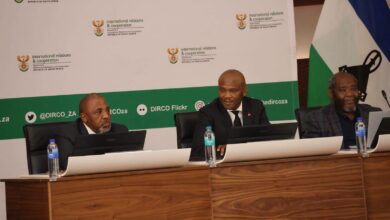

Historic $6.2 Billion Investment Brings Hydropower and AI Infrastructure to Lesotho
Lesotho is stepping into a new phase of economic and technological development following a landmark $6.2 billion investment linked to hydropower and artificial intelligence infrastructure. The agreement between Convalt Energy and Lesotho’s Ministry of Energy marks one of the most significant energy and digital infrastructure commitments in Southern Africa. The project focuses on building the Kobong Hydropower and AI Data Centre Project, which is designed to combine renewable energy production with high-performance computing capacity. This development positions Lesotho as a potential regional hub for clean energy and digital innovation. It also signals growing international interest in combining infrastructure investment with the rapid expansion of AI technologies. The scale of the investment places it among the most ambitious projects ever planned in the country.
The Kobong Hydropower component is expected to generate around 1,200 megawatts of electricity, which represents a major increase in Lesotho’s energy production capacity. This level of output can support both domestic demand and large-scale industrial operations. Hydropower remains one of the most reliable renewable energy sources in Southern Africa due to the region’s river systems and elevation advantages. By focusing on hydropower, the project reduces dependence on fossil fuels while creating a stable energy base for long-term development. The electricity generated will also help power the integrated AI data centre, ensuring that digital operations run on clean and sustainable energy. This combination of energy production and computing infrastructure is increasingly seen as a model for future development projects worldwide.
The AI Data Centre planned within the project is designed to support advanced computing needs, including machine learning, cloud services, and large-scale data processing. Demand for AI infrastructure continues to grow rapidly as industries shift toward automation, predictive analytics, and digital services. Data centres require significant and consistent energy supply, which makes the pairing with hydropower strategically important. Lesotho’s geographic position and renewable energy potential offer advantages for cooling efficiency and energy stability. The integration of AI infrastructure within a renewable energy project also reduces carbon emissions associated with traditional data centres. This approach reflects a broader global trend where technology companies are prioritizing sustainability in digital expansion.
One of the most significant aspects of the project is its potential economic impact on Lesotho. The investment is described as the largest foreign direct investment in the country’s history. Large-scale infrastructure projects like this typically generate employment opportunities during both construction and operational phases. Local workers are expected to benefit from job creation in engineering, construction, energy management, and digital services. In addition to direct employment, secondary economic activity is likely to grow in sectors such as transport, housing, and local services. The project could also attract further international investors who see Lesotho as a viable destination for energy and technology-driven development. This multiplier effect may strengthen the country’s long-term economic outlook.
Sustainability remains a core element of the Kobong Hydropower and AI Data Centre Project. The use of hydropower ensures that the energy required for advanced computing is generated from a renewable source. This reduces environmental impact compared to traditional fossil-fuel-powered data centres, which contribute significantly to global carbon emissions. As AI computing demands increase globally, energy consumption has become a critical issue for technology companies. Projects that align renewable energy with digital infrastructure are seen as a practical solution to this challenge. Lesotho’s project reflects this shift toward integrated, low-carbon development models that serve both economic and environmental goals.
The signing of the Memorandum of Agreement between Convalt Energy and the Ministry of Energy represents a formal commitment to advancing the project into development phases. Such agreements typically involve detailed planning, feasibility assessments, environmental studies, and infrastructure design before full construction begins. Government participation is essential in ensuring regulatory alignment and long-term national benefit. The collaboration also highlights the importance of public-private partnerships in financing and delivering large-scale infrastructure projects. As global competition for AI infrastructure intensifies, countries with stable governance and strong renewable energy resources are increasingly attracting similar investments. Lesotho’s entry into this space marks a strategic shift in its development trajectory.
The broader global context of this investment is the rapid expansion of artificial intelligence and digital infrastructure demand. AI systems require massive computing power, which in turn depends on large-scale, energy-intensive data centres. At the same time, there is growing pressure on companies and governments to reduce carbon emissions and transition toward renewable energy sources. Projects that merge hydropower with AI infrastructure address both challenges simultaneously. They provide the energy capacity needed for digital growth while maintaining environmental responsibility. Lesotho’s project reflects how emerging economies can position themselves within the global digital economy by leveraging natural resources and strategic partnerships.
The historic $6.2 billion investment in Lesotho represents more than just an infrastructure project. It signals a shift toward integrating renewable energy with advanced technology systems in a way that supports long-term development. The Kobong Hydropower and AI Data Centre Project has the potential to transform the country’s energy landscape, strengthen its economy, and position it within the global AI ecosystem. While the project will take time to fully develop, its impact is already significant in terms of investor confidence and national ambition. If successfully implemented, it could serve as a model for other nations seeking to balance economic growth with sustainability in the age of artificial intelligence.
Join 'Lesotho News' WhatsApp Channel
Get breaking Lesotho news — delivered directly to your WhatsApp.
CLICK HERE TO JOIN