Basotho Software Developers Represent Lesotho at UN Open-Source Week 2026 in Major Digital Transformation Milestone

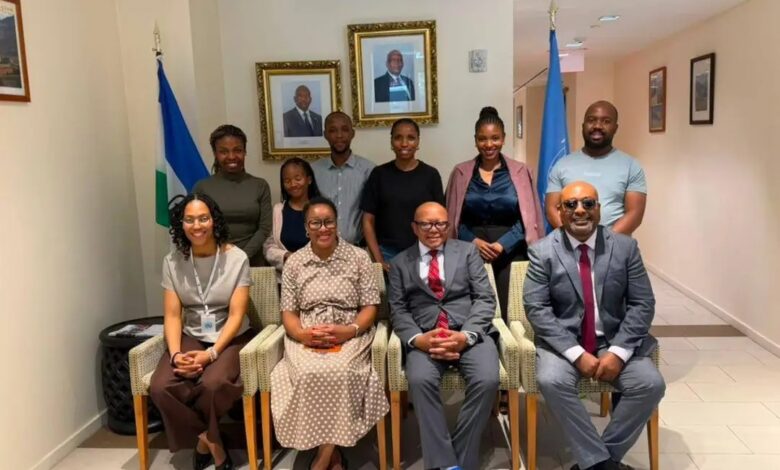
A team of Basotho software developers has represented Lesotho at the United Nations Open-Source Week 2026, a global technology gathering held from 22 to 26 June at the United Nations Headquarters in New York. The participation marks a significant milestone in Lesotho’s ongoing digital transformation efforts and highlights the country’s growing presence in international technology spaces. The event brought together governments, innovators, development partners, open-source communities and technology experts from across the world to discuss digital public infrastructure and collaborative software development. It also focused on strengthening global digital cooperation through shared systems and open technologies. Lesotho’s involvement reflects a clear push toward positioning itself within these global conversations rather than remaining on the sidelines of digital innovation.
According to the Principal Secretary in the Ministry of Information, Communications, Science, Technology and Innovation, Mr Kanono Ramashamole, Lesotho’s participation carried added significance this year because the ministry itself served as one of the co-hosts of the global event. He explained that this role signals international recognition of Lesotho’s progress in digital transformation policy and implementation. It also demonstrates confidence in the country’s commitment to open-source development and digital public infrastructure systems. The co-hosting responsibility placed Lesotho in a more active position during discussions, allowing it to contribute directly to global digital policy conversations. This development strengthens the country’s visibility in the international technology ecosystem.
The Basotho delegation was led by the Director General of ICT at MICSTI, Mr Thapeli Tjabane, and included a strong partnership between the ministry and Vodacom Lesotho. The Vodacom Lesotho delegation was headed by Ms Rorisang Motlomelo, reflecting the private sector’s growing role in national digital development. Most of the participating developers came from the Vodacom Software Factory initiative, while one representative was drawn from the UNDP STEAM Programme. This mix of participants demonstrated a coordinated effort between government, private industry and development partners. It also showed how Lesotho is building a structured pipeline for young software developers to gain global exposure.
Mr Ramashomale said the collaboration is not symbolic but practical, with a focus on exposing Basotho developers to international standards and real-world digital infrastructure solutions. He noted that participation in such platforms allows local developers to engage directly with global open-source communities and understand how large-scale systems are designed and maintained. This exposure is expected to improve technical capacity and encourage innovation that can be applied locally. It also strengthens the ability of developers to contribute to both national and global projects. The experience helps bridge the gap between local training environments and international technology demands.
One of the key expected outcomes of Lesotho’s involvement is the development of a national open-source policy. This policy aims to guide how government, academia, private sector players and developers collaborate on digital solutions. It also seeks to create a structured and sustainable open-source ecosystem within the country. Mr Ramashomale said this would allow different sectors to work together more efficiently on technology solutions that address national challenges. The policy is expected to support innovation while reducing duplication of digital development efforts.
He further explained that open-source technologies offer countries like Lesotho a cost-effective and sustainable path to building digital systems. These technologies allow developers to reuse, improve and share code, which reduces development costs and increases innovation speed. They also create opportunities for local developers to contribute to global software projects while solving local problems. This approach supports long-term digital independence and reduces reliance on expensive proprietary systems. It also encourages transparency and collaboration in software development.
The initiative aligns closely with Lesotho’s National Digital Transformation Strategy, which prioritises digital skills development, innovation, digital government systems, digital public infrastructure and youth participation in the digital economy. The strategy aims to prepare young Basotho for future jobs in the technology sector while modernising government services. Participation in global platforms such as UN Open-Source Week strengthens this strategy by linking local talent with international expertise. It also supports efforts to build a more inclusive digital economy where young people play a central role. The focus remains on long-term capacity building and sustainable innovation.
Mr Ramashomale also highlighted the role of Vodacom Lesotho’s Software Factory initiative in developing local software engineering talent. He said the programme continues to play an important role in equipping young developers with practical skills needed in the technology industry. He also acknowledged the participation of a UNDP STEAM Programme representative as an example of inclusive partnerships that expand access to innovation opportunities. These partnerships ensure that more young people from different backgrounds can enter the digital sector. They also strengthen collaboration between development agencies and the private sector.
As the five-day event concluded on Friday, Lesotho’s participation was described as a meaningful step toward repositioning the country in the global digital landscape. The engagement showed that Basotho developers can contribute to international open-source solutions while also learning from global best practices. It reinforced the idea that Lesotho is not only a consumer of technology but also a potential contributor to global digital innovation. The collaboration between MICSTI, Vodacom Lesotho and development partners highlights the importance of coordinated efforts in driving national transformation. This momentum is expected to support future growth in digital skills, innovation and participation in the global digital economy.
Join 'Lesotho News' WhatsApp Channel
Get breaking Lesotho news — delivered directly to your WhatsApp.
CLICK HERE TO JOIN