Lesotho Maps Creative Talent in Qacha’s Nek Through Digital Environment Mapping Initiative


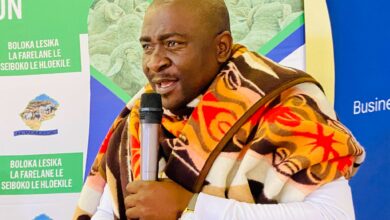
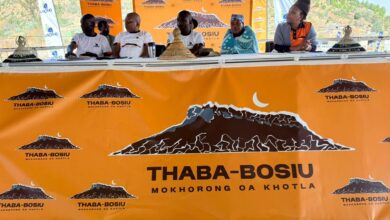
Lesotho is taking an important step towards understanding and strengthening its cultural and creative industries through the ongoing Digital Environment Mapping Initiative. The Ministry of Tourism, Sports, Arts and Culture, through the Department of Arts and Culture, is conducting the initiative in partnership with UNESCO and the Lesotho Copyright Society of Authors and Artists (LESCOSAA). The team is in Qacha’s Nek District as part of a nationwide effort to identify the number and diversity of practitioners working across Lesotho’s Cultural Creative Industries. The information collected will provide a stronger evidence base for understanding the country’s creative sector and identifying areas where practitioners need greater support. By documenting creative talent across the country, the initiative could help create new opportunities for artists and other creative professionals while strengthening the contribution of culture to Lesotho’s economy.
The Digital Environment Mapping Initiative is designed to provide a clearer picture of who is working within Lesotho’s cultural and creative industries and the different areas in which they operate. Creative practitioners can work across a wide range of fields, including music, visual arts, performing arts, crafts, design, literature, film, fashion and other creative activities. Understanding this diversity is important because different groups of practitioners face different challenges and require different forms of support. A comprehensive mapping exercise can help identify talent that may otherwise remain outside formal industry structures or national databases. The resulting information can therefore provide government and development partners with a more accurate understanding of the scale, diversity and geographical spread of Lesotho’s creative community.
The presence of the mapping team in Qacha’s Nek is particularly significant because a national creative sector cannot be properly understood by focusing only on major urban centres. Creative talent exists across districts and communities, with practitioners often drawing inspiration from local traditions, languages, histories and experiences. Documenting this talent can help ensure that creative practitioners outside established cultural hubs are also recognised in national development planning. It can also reveal the different forms of cultural expression that contribute to Lesotho’s national identity and heritage. By extending the mapping initiative across the country, stakeholders can develop a broader and more representative picture of the creative economy.
The partnership between the Ministry of Tourism, Sports, Arts and Culture, UNESCO and LESCOSAA also demonstrates the importance of collaboration in developing Lesotho’s creative industries. Government institutions can provide policy direction and coordination, while organisations working directly with authors, artists and other creators can contribute valuable knowledge about the sector. UNESCO brings international experience and expertise related to culture and creative development, adding another dimension to the initiative. Working together allows stakeholders to gather information that can support both national priorities and wider efforts to strengthen cultural participation and creative economies. Such collaboration can also help ensure that the information collected translates into practical policies and programmes rather than remaining only as a database of creative practitioners.
One of the most important outcomes expected from the initiative is its contribution to the development of a Cultural and Creative Industries Policy. Effective policy requires reliable information about the people and businesses it is intended to support. Without accurate data, policymakers may struggle to determine where investment is needed, which sectors have the greatest potential and what barriers prevent creative practitioners from expanding their work. The mapping exercise can provide evidence that helps shape policies around access to opportunities, skills development, funding, markets and digital participation. A well-informed policy could therefore create a stronger foundation for the long-term development of Lesotho’s creative economy.
The proposed Cultural and Creative Industries Policy also has the potential to create a more enabling environment for creative practitioners. Many artists and creative professionals need access to opportunities that can help them turn their skills and ideas into sustainable livelihoods. This can include access to markets, training, funding, networking opportunities, intellectual property protection and platforms where their work can reach wider audiences. Policy interventions informed by accurate data could help address some of these needs in a more targeted way. The objective is not simply to identify creatives but to understand the conditions required for them to participate meaningfully in the creative economy and build sustainable careers.
Digital participation is another important aspect of the initiative. The creative economy is increasingly connected to digital platforms that allow artists and creative businesses to promote, distribute and sell their work beyond their immediate communities. For practitioners in Lesotho, stronger participation in digital spaces could create opportunities to reach regional and international audiences. However, benefiting from these opportunities requires appropriate skills, digital access, infrastructure and knowledge of how online creative markets operate. Mapping the digital environment can help stakeholders understand where gaps exist and where future programmes could provide practical support to help creatives establish stronger digital presences.
The initiative can also contribute to the protection and promotion of Lesotho’s cultural heritage. Creative practitioners often play an important role in preserving traditional knowledge, artistic practices, stories, music, crafts and other forms of cultural expression. Documenting the people working in these areas can help highlight the value of cultural knowledge while drawing attention to practitioners who contribute to its continuation. This is especially relevant as digital platforms create new ways for cultural content to reach audiences while also raising questions around ownership, copyright and fair compensation. Stronger sector knowledge can support efforts to ensure that creators receive recognition and appropriate protection for their work.
LESCOSAA’s involvement is particularly relevant to these concerns because copyright and intellectual property rights are important to the sustainability of creative careers. Artists and authors need systems that recognise their ownership of original work and allow them to benefit from its use. As creative products increasingly move into digital spaces, understanding copyright becomes even more important because content can be distributed quickly across borders and platforms. A stronger cultural and creative policy framework can help create greater awareness of these rights while supporting mechanisms that allow creators to earn from their intellectual property. Combining talent mapping with attention to copyright and digital participation could therefore strengthen the overall ecosystem supporting Lesotho’s creatives.
The information collected through the Digital Environment Mapping Initiative could also help identify areas where investment and development programmes can have the greatest impact. Reliable data can help stakeholders determine which creative fields are growing, where practitioners are concentrated and which communities may be underserved. It can also support the design of training programmes that respond to actual industry needs rather than assumptions about what creatives require. Better information may make it easier for potential partners and investors to identify opportunities within Lesotho’s creative economy. Over time, this could contribute to stronger creative enterprises, increased employment opportunities and greater recognition of culture as an important component of national economic development.
The work taking place in Qacha’s Nek forms part of a broader effort to ensure that Lesotho’s creative sector is properly recognised, understood and supported. Mapping creative talent provides the foundation for evidence-based decision-making by showing the scale and diversity of the people contributing to the country’s cultural and creative industries. The information can then help guide policy development, programmes and interventions aimed at addressing the needs of practitioners and expanding their opportunities. It can also strengthen the connection between culture, economic participation and digital development. Most importantly, the initiative gives creative practitioners across Lesotho an opportunity to become more visible within national development planning.
Lesotho’s Digital Environment Mapping Initiative therefore represents more than an exercise in collecting names and information. It is an important step towards building a stronger understanding of the people, skills and creative activities that make up the country’s cultural landscape. With the support of UNESCO and collaboration between the Department of Arts and Culture and LESCOSAA, the initiative can provide valuable evidence for developing policies that support artists and creative professionals across the country. Its focus on mapping talent, informing policy and expanding opportunities in digital spaces could help unlock greater economic and cultural value from Lesotho’s creative industries. As the mapping continues across districts such as Qacha’s Nek, the information gathered can help ensure that the country’s creative community receives greater recognition, stronger support and more opportunities to contribute to Lesotho’s future.
Join 'Lesotho News' WhatsApp Channel
Get breaking Lesotho news — delivered directly to your WhatsApp.
CLICK HERE TO JOIN