2026 Roof of Africa Rally to Boost Lesotho Tourism, Local Business and Sports Tourism

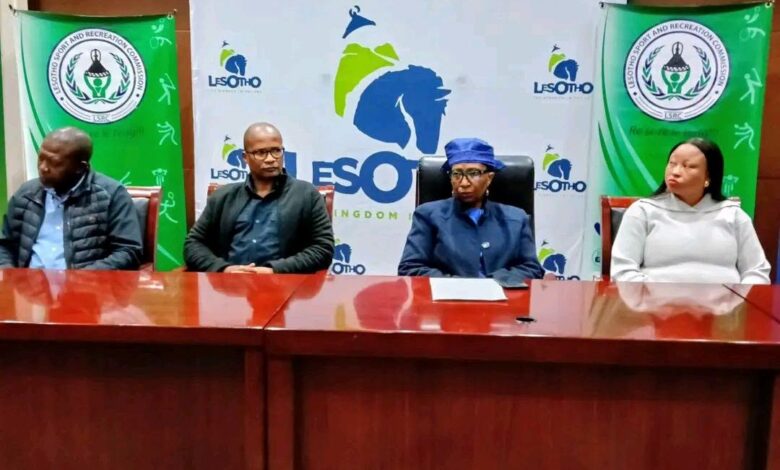
The 2026 Roof of Africa Rally is set to return to Lesotho from September 23 to 26, bringing some of the world’s leading hard enduro riders and thousands of visitors into the country. The Lesotho Tourism Development Corporation (LTDC), working with the Lesotho Off Road Association (LORA), has confirmed the dates for an event that has become an important fixture on the country’s sporting and tourism calendar. Beyond the excitement of motorcycle racing, the Roof of Africa creates opportunities for tourism businesses, local communities and entrepreneurs who provide services to visitors. The event also gives Lesotho an opportunity to promote its mountains, culture, hospitality and adventure tourism offering to an international audience. With the 2026 edition forming part of the international championship calendar, organisers expect another high-profile competition that will bring increased attention to the Kingdom of Lesotho.
LTDC Chief Executive Officer Mrs. Mamello Morojele said the Roof of Africa should be viewed as more than a sporting competition because of its potential contribution to the tourism sector. The event attracts riders, support teams, officials, spectators, sponsors and other visitors who require accommodation, meals, transportation and a range of other services during their time in the country. This visitor spending creates opportunities for hotels, guesthouses, restaurants, transport operators, fuel stations, retailers and other businesses operating across the tourism value chain. Local suppliers and service providers can also benefit from increased demand before, during and after the competition. The economic activity generated by major events such as the Roof of Africa demonstrates how sports can support wider tourism development and create opportunities beyond the sporting arena itself.
Mrs. Morojele also highlighted Lesotho’s natural environment as one of the factors that makes the country particularly attractive for adventure tourism. The Kingdom’s mountains, rivers, rocky landscapes and challenging terrain provide a demanding setting for hard enduro racing while offering a spectacular backdrop for competitors and spectators. These natural features form an important part of Lesotho’s tourism identity and can help position the country as a destination for travellers seeking outdoor and adventure experiences. The international attention generated by the rally provides an opportunity to introduce potential visitors to destinations that they may not otherwise consider. Mrs. Morojele encouraged people attending the event to explore other parts of the country, visit tourism attractions, experience Basotho culture and sample local cuisine rather than limiting their visit to the race itself.
The Roof of Africa also provides an opportunity for Lesotho to strengthen its international profile as a sports tourism destination. Sports tourism can attract visitors who travel specifically to watch or participate in competitions, creating demand for accommodation, food, transportation and entertainment. These visitors can also spend additional time exploring attractions before or after an event, increasing the overall value of their trips to the host country. For Lesotho, the combination of an internationally recognised motorcycle competition and dramatic natural scenery provides a strong platform for promoting adventure travel. The 2026 rally therefore has the potential to connect sporting exposure with broader tourism marketing and destination development.
LORA Public Relations Officer Mr. Ntaote Bereng described the Roof of Africa as more than a motorcycle competition, particularly as Lesotho continues to celebrate 60 years of independence. He noted that the event is one of the world’s oldest and most challenging hard enduro motorcycle competitions and continues to attract leading off-road riders. The demanding nature of the race requires competitors to navigate difficult terrain that tests their physical endurance, riding ability and technical skills. Lesotho’s rugged mountains, rivers, steep slopes and rocky landscapes provide the type of natural obstacles that have helped establish the competition’s reputation. Unpredictable weather conditions can add another layer of difficulty, making the Roof of Africa a distinctive challenge for riders from different parts of the world.
Over the years, the Roof of Africa has developed into an internationally recognised sporting event with an established global following. Riders, teams and spectators travel from different countries to participate in or experience the competition, bringing international attention to Lesotho. The presence of international competitors also creates an opportunity for local riders and motorsport enthusiasts to engage with some of the most experienced names in the discipline. As the event gains exposure through international competition structures, Lesotho benefits from increased visibility among motorcycle racing communities and adventure tourism audiences. This combination of sporting prestige and destination promotion makes the Roof of Africa an important component of the country’s wider tourism offering.
The economic contribution of the event was highlighted by Mr. Bereng, who said the 2025 Roof of Africa generated an estimated M56.7 million in economic activity. Spending came from international and local riders, support teams, spectators, sponsors and event organisers, with benefits extending across several sectors of the economy. Accommodation and hospitality establishments benefited from visitors requiring places to stay, while restaurants and catering businesses experienced additional demand for meals and refreshments. Fuel and vehicle service providers, local suppliers and businesses involved in event-related activities also had opportunities to generate income. The event further supported temporary employment, demonstrating how a major sporting competition can create economic activity across multiple parts of the local economy.
The reported M56.7 million economic contribution from the 2025 event provides an important indication of the potential value of the 2026 Roof of Africa. While the economic performance of each edition can vary depending on visitor numbers, participation, sponsorship and other factors, the previous figure demonstrates the scale of spending associated with the competition. Local businesses can position themselves to benefit by preparing for increased demand during the rally period. Accommodation providers, restaurants, transport operators, retailers and other service businesses can use the event to attract both domestic and international customers. The broader economic benefits also depend on how effectively visitors are encouraged to explore other destinations and spend more time within the country.
Community participation remains another important element of successfully hosting the Roof of Africa. Mr. Bereng said the competition depends significantly on the cooperation and support of communities and landowners whose land is used during the race. Organisers must therefore maintain strong relationships with communities and landowners to ensure that the event can operate responsibly and sustainably. LORA has indicated that it remains committed to ensuring that communities and landowners benefit from their involvement in the competition. This approach can help strengthen local support for the event while ensuring that the economic and social benefits associated with the rally reach communities located along the race routes.
LORA has also reaffirmed its commitment to corporate social investment and community development as part of the Roof of Africa’s wider contribution to Lesotho. Community-focused initiatives can help ensure that the competition delivers benefits beyond tourism spending and entertainment. When local communities participate in and benefit from major events, they can develop a stronger sense of ownership and support for future editions. Such initiatives can also create opportunities to address specific community needs while strengthening relationships between organisers, businesses and residents. The continued focus on community development therefore adds another dimension to the value of the Roof of Africa.
The 2026 edition will carry additional international significance because the event has been included in the international championship calendar. Mr. Bereng explained that the inclusion will provide Lesotho with greater international exposure while giving riders the opportunity to compete for valuable championship points. The change in the event dates was necessary because the Roof of Africa must take place before another championship race scheduled for Spain. The revised September 23 to 26 dates therefore reflect the requirements of the international racing calendar rather than simply a local scheduling decision. The championship status is expected to increase the competitive importance of the event and potentially attract further interest from leading riders and international audiences.
Several highly ranked international riders are expected to participate in the 2026 Roof of Africa, with additional competitors set to be announced as the event approaches. Their participation is likely to increase interest among motorcycle racing followers and add further prestige to the competition. For local spectators, the arrival of internationally ranked riders provides an opportunity to watch elite competitors tackle one of the most demanding hard enduro courses. For international audiences, the event provides another reason to pay attention to Lesotho as a destination for motorsport and adventure tourism. The combination of championship points, challenging terrain and international participation is expected to make the 2026 competition particularly significant.
The tourism potential of the Roof of Africa extends beyond the race course itself. Visitors who travel to Lesotho for the event can experience the country’s cultural heritage, traditional food, mountain communities and natural attractions while they are there. Encouraging visitors to extend their stays can increase spending and spread tourism benefits across a wider range of businesses and destinations. The event can also encourage returning visitors who discover Lesotho through the rally and later choose to return for hiking, sightseeing, cultural experiences or other outdoor activities. This makes the competition an effective platform for introducing international visitors to the wider tourism opportunities available in the country.
Entertainment will also form part of the 2026 Roof of Africa experience, with LesRock partnering with stakeholders to develop activities around the competition. LesRock Director Ms. Limpho Nkune said the organisation wants to add entertainment and tourism value to what is regarded as one of the biggest events on Lesotho’s sporting calendar. Several entertainment activities are planned for Roma during the Roof of Africa period, including performances by artists and DJs. These activities are intended to give Basotho more opportunities to participate in the festivities and enjoy the event alongside visitors and motorcycle enthusiasts. The combination of sport, music and tourism can help create a broader event experience that appeals to people who may not necessarily follow motorcycle racing.
Community support will also feature in the LesRock initiative, with plans to work with LORA to support vulnerable communities. Ms. Nkune said food will be prepared and distributed to people living on the streets, while clothing donations will also be made on September 13. The initiative adds a social responsibility component to the activities surrounding the competition and creates opportunities for organisers and stakeholders to contribute to community welfare. Such efforts can help ensure that the benefits associated with a major sporting event extend beyond commercial activity. They also demonstrate how partnerships between event organisers, businesses and community stakeholders can support social initiatives alongside tourism and entertainment.
Another key activity will take place on September 19, when motorcycles will participate in a parade designed to give members of the public a preview of the excitement surrounding the Roof of Africa. The parade is expected to end at Maseru Mall, providing spectators with an opportunity to see the motorcycles and riders before the main competition begins. Public events of this nature can help build anticipation while encouraging wider participation from people who may not attend the race itself. They can also provide additional opportunities for businesses in the area to benefit from increased public activity. The parade will therefore serve both as a promotional activity for the competition and as an accessible way for the public to engage with the event.
The 2026 Roof of Africa Rally is shaping up to be an important event for Lesotho’s tourism, sports and local economy. From its international championship status and participation by leading riders to its potential economic impact and community initiatives, the competition offers benefits that extend well beyond motorcycle racing. The event will place Lesotho’s spectacular mountains, rivers and rugged landscapes before an international audience while providing local businesses with opportunities to serve visitors and generate income. Its entertainment programme and community initiatives are also expected to broaden participation and make the event more accessible to Basotho. With the Roof of Africa scheduled for September 23 to 26, 2026, Lesotho has another opportunity to use one of its most recognised sporting events to promote tourism, support communities and strengthen its position as an international adventure tourism destination.
Join 'Lesotho News' WhatsApp Channel
Get breaking Lesotho news — delivered directly to your WhatsApp.
CLICK HERE TO JOIN