Lesotho Calls for Stronger International Partnerships to Boost Investment, Create Jobs and Accelerate Economic Transformation

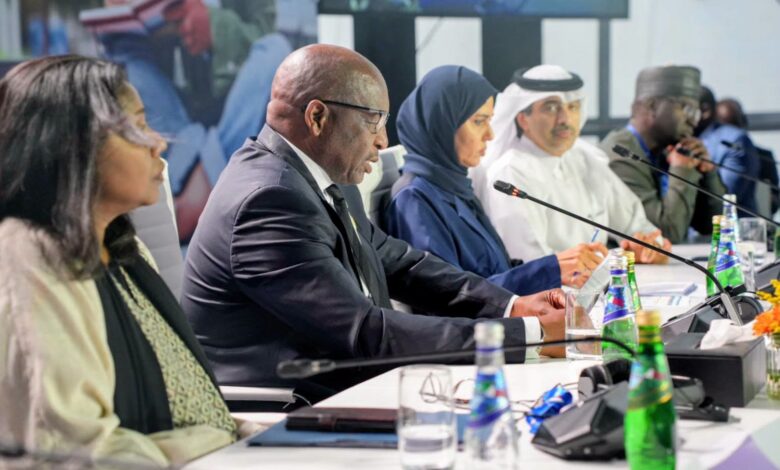
Lesotho has called for stronger international partnerships to attract investment, create jobs and accelerate economic transformation, highlighting the importance of practical cooperation in addressing the development challenges facing Least Developed Countries (LDCs). The call was made by Prime Minister Honourable Samuel Ntsokoane Matekane during a High-Level Roundtable held in Doha, Qatar. The meeting provided an opportunity to highlight the economic constraints facing developing countries and explore ways to mobilise international support for sustainable growth. Lesotho stressed that development commitments must lead to tangible economic opportunities, including stronger industries, improved infrastructure, expanded trade and increased employment. The country also reaffirmed its commitment to building a more productive and diversified economy through private sector investment and targeted development partnerships.
Addressing the roundtable, Prime Minister Matekane highlighted several challenges that continue to limit economic progress in Least Developed Countries. These include limited productive capacity, inadequate infrastructure, restricted access to finance and declining development assistance. Such constraints can make it difficult for countries to establish competitive industries, expand existing businesses and create enough jobs for their growing populations. Limited access to financing can also prevent entrepreneurs and small businesses from investing in equipment, technology and production facilities needed to increase output. The Prime Minister emphasised that international cooperation must respond to these challenges by helping countries strengthen their economies and turn development priorities into measurable results.
Lesotho’s call for stronger partnerships reflects the need to move beyond development commitments towards practical investment and economic cooperation. International support can help developing countries improve infrastructure, strengthen local industries and build the skills required to compete in regional and global markets. However, effective partnerships also need to support local businesses and producers so that investment generates lasting benefits within national economies. For Lesotho, this means creating an environment in which businesses can grow, agricultural producers can increase output and manufacturers can develop products for domestic and export markets. The government sees cooperation with development institutions, international funds and private investors as an important part of this process.
Prime Minister Matekane reaffirmed Lesotho’s commitment to private sector-led economic growth, identifying renewable energy, agro-processing, manufacturing, tourism and digital transformation as priority sectors. These industries offer different opportunities to strengthen economic activity, improve productivity and create employment. Renewable energy investment can help expand access to reliable power, which is essential for businesses, industrial development and public services. Agro-processing can enable farmers and businesses to add value to agricultural products before they reach consumers, creating opportunities for local production, storage, packaging and distribution. Manufacturing, tourism and digital transformation can further support economic diversification by expanding the range of goods and services that Lesotho can produce and offer to domestic and international markets.
Agriculture remains an important area for improving livelihoods and strengthening productive capacity in Lesotho. Supporting farmers to increase production can contribute to food security, rural employment and the development of agricultural businesses. The Prime Minister highlighted the contribution of the Enhanced Integrated Framework (EIF) in strengthening trade capacity and supporting local producers, including farmers who have received greenhouses to improve agricultural production. Greenhouse farming can help producers manage growing conditions more effectively and create opportunities to cultivate certain crops under more controlled conditions. Such support can also help farmers develop the consistency and quality needed to supply markets more reliably, although results depend on factors such as access to water, suitable inputs, technical knowledge and viable routes to market.
The Enhanced Integrated Framework plays a role in helping Least Developed Countries address trade-related development challenges and strengthen their participation in international commerce. Its support can help countries identify barriers to trade, improve institutional capacity and develop strategies to make local products more competitive. For Lesotho, strengthening trade capacity is closely connected to the broader goal of attracting investment and diversifying the economy. Better production systems, stronger business capabilities and improved access to markets can help local enterprises move beyond small-scale operations and explore wider commercial opportunities. By supporting farmers and other producers, initiatives linked to the EIF can contribute to a development approach that connects local production with trade expansion and employment creation.
Lesotho is also developing its Country Programme Document under EIF Phase Three, with the aim of addressing trade constraints, diversifying exports and attracting investment. This programme is intended to help establish priorities for strengthening the country’s trade-related productive capacity and improving its ability to participate in regional and international markets. Export diversification is particularly relevant for economies seeking to reduce dependence on a limited range of products or economic activities. Developing additional export opportunities can help businesses reach new customers, increase production and generate income across different sectors. The programme’s effectiveness will depend on how well its priorities translate into practical support for producers, businesses and institutions, as well as how successfully public and private partners coordinate their efforts.
Investment mobilisation was another key priority raised by the Prime Minister, who called on the Enhanced Integrated Framework, the Qatar Fund for Development and other development partners to support productive capacity-building and economic development. Such cooperation could help address some of the financial and technical barriers that prevent businesses from expanding. Development partners can contribute through investment support, technical assistance, capacity-building initiatives and programmes designed to improve the conditions for sustainable economic activity. For Lesotho, the objective is to attract support that responds to national development priorities and helps create the foundations for long-term growth. Partnerships will have greater practical value when they help local businesses increase production, improve competitiveness and create employment opportunities.
The Qatar Fund for Development represents one of the potential partners identified in Lesotho’s efforts to mobilise international support. Cooperation with development finance institutions can help countries pursue projects that require resources beyond what domestic budgets or businesses can readily provide. However, attracting investment requires more than identifying funding opportunities. Projects also need clear objectives, credible implementation plans, appropriate technical capacity and arrangements that support long-term sustainability. For Lesotho, aligning potential investment with priorities such as renewable energy, agricultural development, manufacturing and digital transformation could help strengthen the connection between external support and national economic objectives.
Job creation remains a central consideration in Lesotho’s pursuit of economic transformation. Expanding productive industries can create employment directly through farming, manufacturing, construction, tourism and business services. It can also support indirect employment through supply chains, transport, maintenance, distribution and other services required by growing enterprises. Small and medium-sized businesses are particularly important in this process because they can provide opportunities for entrepreneurs and workers across different communities. Improving access to finance, technology, skills development and markets can help these businesses increase their contribution to economic activity. International partnerships that focus on these practical needs can support a more inclusive approach to growth by helping more people participate in productive work.
Economic diversification is also important for strengthening Lesotho’s resilience to external shocks and changes in market conditions. A broader economic base can create more opportunities for businesses and reduce the risks associated with relying heavily on a narrow range of industries. Investment in agro-processing, for example, can connect agricultural production with manufacturing and distribution, allowing more economic value to be generated locally. Tourism can support accommodation providers, guides, transport operators, food businesses and cultural enterprises, while digital transformation can improve how companies deliver services and access customers. Renewable energy and manufacturing can contribute to a more productive business environment when supported by appropriate infrastructure, financing and skills. Progress across these sectors will require coordinated planning and sustained investment rather than isolated projects.
The Prime Minister also looked ahead to the Midterm Review of the Doha Programme of Action scheduled for March 2027. The review will provide an important opportunity to consider progress in addressing the development challenges facing Least Developed Countries and to identify areas requiring stronger international cooperation. Matekane highlighted stronger productive capacities, sustainable financing and international partnerships as key priorities in this process. These priorities reflect the need to improve the ability of developing countries to produce goods and services, attract resources for long-term development and participate more effectively in international trade. For Lesotho, the review offers a relevant platform to emphasise the importance of support that responds to national circumstances and produces practical economic benefits.
Strengthening productive capacity requires coordinated action across infrastructure, skills, technology, finance and market access. Businesses need reliable operating conditions to invest, while producers need the tools and knowledge to improve quality and increase output. Governments and development partners can support these efforts by helping address gaps that individual businesses may struggle to overcome alone. Sustainable financing is equally important because development programmes need resources that remain available long enough to support implementation and deliver lasting results. International cooperation can make a meaningful contribution when it combines financial support with technical expertise, institutional development and opportunities for private sector participation.
Lesotho’s message in Doha highlighted a broader development challenge facing Least Developed Countries. International commitments can establish shared goals, but their impact depends on whether countries receive the support needed to strengthen productive sectors and expand economic opportunities. For Lesotho, the priorities include attracting investment, supporting local producers, diversifying exports and creating conditions for businesses to grow. The work under the Enhanced Integrated Framework, including the development of the Country Programme Document under Phase Three, forms part of these efforts to address trade constraints and strengthen economic capacity. Continued engagement with the Qatar Fund for Development and other partners could also help connect the country’s development priorities with investment and capacity-building opportunities.
Lesotho’s call for stronger international partnerships ultimately centres on turning development cooperation into practical results for its people. Investment in renewable energy, agro-processing, manufacturing, tourism and digital transformation can support a more diversified economy, while stronger trade capacity can help local producers reach wider markets. Achieving these goals will require sustained financing, effective implementation and cooperation between government, businesses, development institutions and international partners. As the Midterm Review of the Doha Programme of Action approaches in March 2027, Lesotho is placing emphasis on productive capacity, sustainable development financing and partnerships that respond to real economic needs. The central challenge is to ensure that international cooperation creates meaningful opportunities for the people of Least Developed Countries through stronger businesses, more jobs and lasting improvements in economic participation.
Join 'Lesotho News' WhatsApp Channel
Get breaking Lesotho news — delivered directly to your WhatsApp.
CLICK HERE TO JOIN