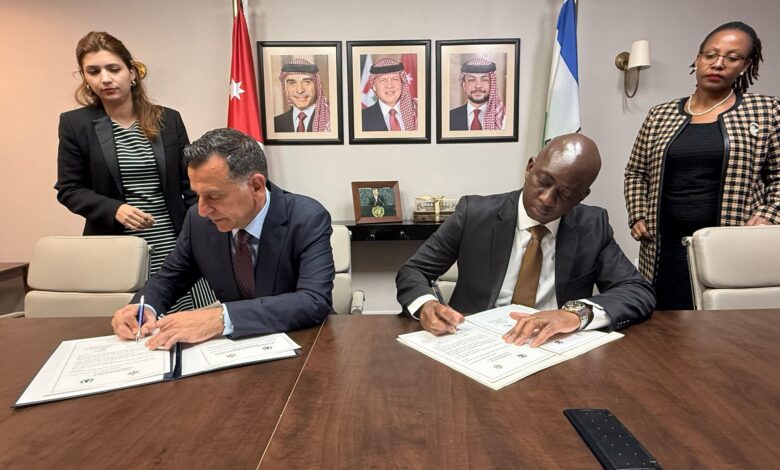
Lesotho Foreign Affairs Minister Limpho Tau Attends SADC Council of Ministers Meeting in Durban

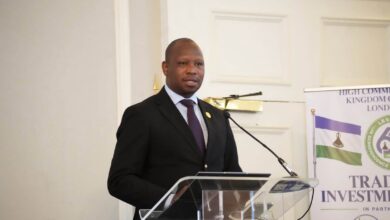
The Minister of Foreign Affairs and International Relations, Hon Limpho Tau, is attending the Southern African Development Community (SADC) Council of Ministers Meeting in Durban, South Africa, as regional leaders prepare for the SADC Summit scheduled for 17 August 2026. The meeting brings together ministers from SADC Member States to discuss issues affecting the region and assess progress in implementing agreed regional priorities. Lesotho’s participation places the country within important discussions on regional integration, economic development, peace and security, and sustainable development. The Council of Ministers plays a key role in preparing matters for consideration by the SADC Summit and ensuring that decisions taken by regional leaders translate into practical programmes. Minister Tau’s attendance therefore provides an opportunity for Lesotho to contribute to discussions that could shape the region’s development agenda and cooperation priorities.
The SADC Council of Ministers Meeting serves as an important platform for Member States to review the implementation of regional programmes and strategies. Ministers use the meeting to provide policy guidance, assess progress and consider measures that can strengthen cooperation among countries in Southern Africa. Discussions are expected to examine how previous decisions adopted by SADC Summits and Council meetings have been implemented and where further action may be required. This process helps Member States identify challenges that could delay regional initiatives while strengthening coordination between national governments and SADC institutions. It also allows countries to share perspectives on common economic, political, environmental and security concerns that require collective regional responses.
Economic cooperation is expected to remain an important part of the discussions in Durban, particularly as SADC countries continue efforts to strengthen regional trade and economic integration. Trade facilitation can help reduce barriers to the movement of goods and services while improving opportunities for businesses operating across national borders. Ministers are also expected to consider industrialisation and strategies that can support greater economic activity, investment and job creation across the region. Infrastructure development remains closely linked to these objectives because efficient transport networks, energy systems and other forms of infrastructure are essential for connecting markets and supporting regional commerce. For countries such as Lesotho, active participation in these discussions provides an opportunity to advance national interests while contributing to broader efforts to build a more integrated and competitive Southern African economy.
Infrastructure development and regional connectivity are particularly important to the SADC development agenda because economic integration depends on reliable links between Member States. Improved infrastructure can support trade, reduce transportation challenges and make it easier for businesses and communities to access regional markets. The Council’s discussions are expected to consider ways of strengthening cooperation in infrastructure while supporting long-term development objectives. Ministers will also have an opportunity to examine how regional projects can be aligned with wider strategies for sustainable growth and improved economic resilience. Stronger infrastructure cooperation can ultimately support greater movement of people, goods, services and investment across Southern Africa.
Climate resilience is another major priority facing SADC Member States, as countries across the region continue to deal with the economic and social effects of climate-related challenges. Climate resilience requires governments to strengthen preparedness, protect vulnerable communities and improve the ability of key sectors such as agriculture, water and infrastructure to withstand environmental pressures. Regional cooperation can help countries share knowledge, coordinate responses and develop strategies that address challenges that cross national borders. The Council of Ministers provides a platform for Member States to consider these issues within the wider context of sustainable development and regional planning. The discussions in Durban are therefore expected to contribute to efforts aimed at building a region that can respond more effectively to climate and environmental pressures.
Peace and security will also remain central to the SADC agenda because political stability is closely connected to economic development and regional cooperation. Member States rely on regional mechanisms to address security concerns, strengthen cooperation and support stability within the Southern African region. The Council of Ministers provides an opportunity to review developments affecting regional peace and security and to consider policy measures that support collective responses. Stable political and security conditions create a stronger environment for investment, trade, infrastructure development and social progress. Lesotho’s participation through Minister Tau allows the country to remain engaged in these discussions and contribute to regional approaches to maintaining peace and stability.
The meeting also has significance ahead of the SADC Summit on 17 August 2026, where regional leaders are expected to consider matters emerging from the ministerial discussions. The Council of Ministers plays an important preparatory role by examining policy issues, reviewing implementation and making recommendations for consideration at the highest level of the regional organisation. Decisions and recommendations emerging from the meeting can therefore influence the issues placed before Heads of State and Government at the upcoming Summit. This makes the Durban gathering an important stage in shaping the regional agenda before leaders meet later in August. The participation of ministers from across SADC demonstrates the importance Member States place on coordinated approaches to the region’s shared challenges and development priorities.
For Lesotho, Minister Limpho Tau’s participation provides an opportunity to represent the country’s interests while strengthening its engagement with other SADC Member States. Regional meetings such as the Council of Ministers provide opportunities for governments to build consensus, exchange policy perspectives and identify areas where cooperation can produce practical benefits. Lesotho can use these platforms to contribute to discussions on economic integration, infrastructure, trade, security, climate resilience and sustainable development. Continued engagement also helps ensure that the country’s priorities remain part of wider regional discussions and that Lesotho participates actively in decisions affecting Southern Africa. The country’s involvement reflects the importance of multilateral cooperation in addressing challenges that cannot be effectively managed by individual countries acting alone.
The SADC Council of Ministers Meeting in Durban is therefore an important gathering as Member States prepare for the 17 August 2026 Summit. The discussions cover areas that have direct implications for economic growth, regional integration, peace, security and sustainable development across Southern Africa. Minister Limpho Tau’s attendance ensures that Lesotho is represented in these key deliberations and has an opportunity to contribute to the policy direction of the regional bloc. The outcomes of the meeting are expected to help shape discussions at the upcoming Summit and guide further implementation of SADC programmes and strategies. As Member States work towards stronger regional cooperation, the Durban meeting provides an important opportunity to turn shared priorities into coordinated action that can support long-term development across Southern Africa.
Join 'Lesotho News' WhatsApp Channel
Get breaking Lesotho news — delivered directly to your WhatsApp.
CLICK HERE TO JOIN