Agriculture Minister Selibe Mochoboroane Meets Farmers Over Challenges Facing SADP II Project in Lesotho

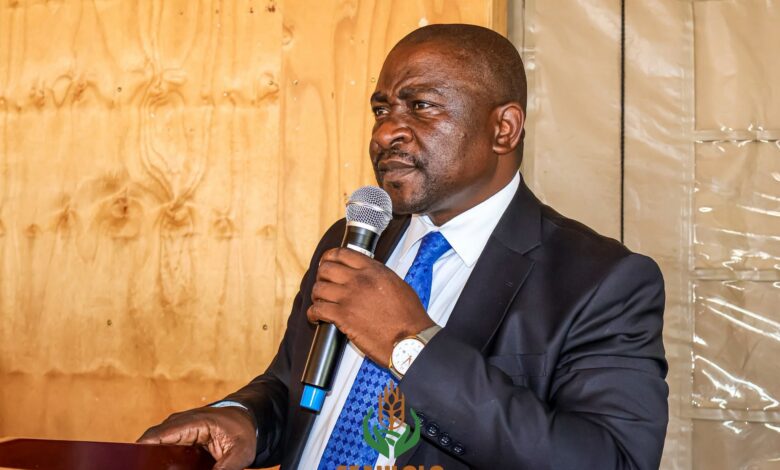
Lesotho’s Minister of Agriculture, Food Security and Nutrition, Mr Selibe Mochoboroane, has met with farmers from ten districts affected by the Smallholder Agriculture Development Project II (SADP II) amid concerns about challenges affecting the project’s implementation. The meeting provided an opportunity for farmers to raise their concerns and discuss difficulties they have experienced under the agricultural development initiative. The engagement comes at a time when effective agricultural support remains important for improving food security, strengthening rural livelihoods and increasing agricultural productivity across the country. Farmers depend on well-managed development programmes to access resources, improve farming practices and build sustainable agricultural businesses. The minister’s meeting highlights the need to address implementation challenges and ensure that the project delivers meaningful benefits to the farming communities it was designed to support.
The SADP II project was established to support smallholder farmers and contribute to the development of Lesotho’s agricultural sector. Its broader objectives are linked to improving agricultural productivity, strengthening farmers’ livelihoods and supporting more sustainable food production. Smallholder farmers play an important role in Lesotho’s food system, particularly in rural communities where agriculture provides income and contributes to household food supplies. Development projects targeting this sector can help farmers improve production methods, strengthen their capacity and respond more effectively to agricultural challenges. However, achieving these objectives requires proper planning, effective coordination and consistent implementation. When project activities experience delays or other difficulties, the intended beneficiaries may struggle to access the support they need.
The meeting brought together farmers from ten districts affected by SADP II, giving them an opportunity to engage directly with the Minister of Agriculture. Their participation was important because farmers have firsthand experience of how the project is functioning at community level. Direct engagement allows government officials to better understand the practical challenges affecting beneficiaries rather than relying solely on administrative reports. It also creates an opportunity for farmers to explain their expectations and identify areas where project delivery may need improvement. Such consultations can help strengthen communication between the government and agricultural communities. They can also provide useful information for determining the steps needed to improve the project’s implementation.
Concerns surrounding the implementation of SADP II raise important questions about the effectiveness of agricultural development programmes in Lesotho. Projects of this nature require coordination among government institutions, implementing partners, agricultural officers and beneficiary communities. Delays in project activities, communication difficulties or weaknesses in programme management can affect the delivery of planned support. However, the specific challenges discussed during the minister’s meeting have not been detailed in the information provided. It is therefore important that the concerns raised by farmers receive proper attention and that any shortcomings are assessed before decisions are made about corrective measures. Identifying the underlying problems will be essential to improving the project’s performance and restoring confidence among beneficiaries.
Agriculture remains an important part of Lesotho’s rural economy, providing livelihoods for many households and contributing to national food security. Farmers face several challenges, including changing weather conditions, limited access to agricultural resources and the financial demands associated with farming. These pressures make effective government support programmes particularly important. Initiatives such as SADP II are expected to help smallholder farmers improve their ability to produce food and sustain their agricultural activities. When such programmes operate effectively, they can contribute to stronger rural economies and improved household resilience. However, when implementation struggles, farmers may miss opportunities to improve production and increase their incomes.
Food security is another important issue connected to the effectiveness of agricultural development projects. Improving local food production can help communities become less vulnerable to disruptions in food supply and changes in market prices. Supporting farmers with appropriate resources and opportunities can also strengthen the country’s agricultural capacity. For Lesotho, improving smallholder farming is an important part of addressing food production challenges and supporting rural development. Agricultural programmes must therefore focus not only on delivering planned activities but also on achieving measurable improvements in the lives of participating farmers. This requires regular monitoring, transparent communication and meaningful involvement from the communities concerned.
Minister Mochoboroane’s engagement with farmers provides an opportunity for the Ministry of Agriculture, Food Security and Nutrition to assess concerns surrounding SADP II and consider appropriate responses. Listening to beneficiaries is an important part of improving public programmes because it helps officials understand whether project activities are meeting their intended objectives. Farmers should be able to receive clear information about project progress, planned activities and any changes that may affect their participation. Effective communication can reduce uncertainty and help build trust between project administrators and beneficiary communities. It is equally important that concerns raised during consultations lead to practical action where shortcomings are identified. Continued engagement will therefore be important in determining whether the project can overcome its current difficulties.
The experience of SADP II also highlights the importance of accountability in agricultural development projects. Publicly supported initiatives must demonstrate that resources are being used appropriately and that planned interventions reach their intended beneficiaries. Regular assessments can help identify implementation weaknesses and determine whether project activities are producing the expected results. Clear reporting can also help farmers understand progress and know what support they can reasonably expect. Where problems arise, responsible institutions need to communicate openly and take corrective action. These measures can improve the management of agricultural programmes and strengthen confidence in future development initiatives.
Farmers from the ten affected districts will be looking for practical improvements that address the concerns surrounding the project. Their expectations are likely to centre on effective project delivery and the fulfilment of the support promised through the initiative. The success of any agricultural development programme ultimately depends on whether it improves conditions for the people it targets. Government engagement must therefore be followed by clear decisions, appropriate interventions and consistent monitoring. Addressing implementation challenges could help ensure that SADP II continues to serve its intended purpose and contributes to the development of smallholder agriculture. It would also reinforce the importance of involving farmers in decisions that directly affect their livelihoods.
Minister Selibe Mochoboroane’s meeting with farmers from ten districts has brought attention to the challenges facing the implementation of the Smallholder Agriculture Development Project II in Lesotho. The engagement represents an important opportunity to listen to beneficiaries, understand their concerns and identify areas requiring attention. While the specific problems affecting the project still need to be clearly established, the concerns surrounding its implementation highlight the importance of effective management and accountability. Lesotho needs agricultural development programmes that deliver practical support, strengthen food production and improve the livelihoods of rural communities. Addressing the difficulties facing SADP II will be important in ensuring that the project’s intended benefits reach farmers and contribute meaningfully to the country’s food security and agricultural development goals.
Join 'Lesotho News' WhatsApp Channel
Get breaking Lesotho news — delivered directly to your WhatsApp.
CLICK HERE TO JOIN