Minister Pitso Lesaoana Urges Lesotho Youth to Turn Technology Into Business and Opportunity

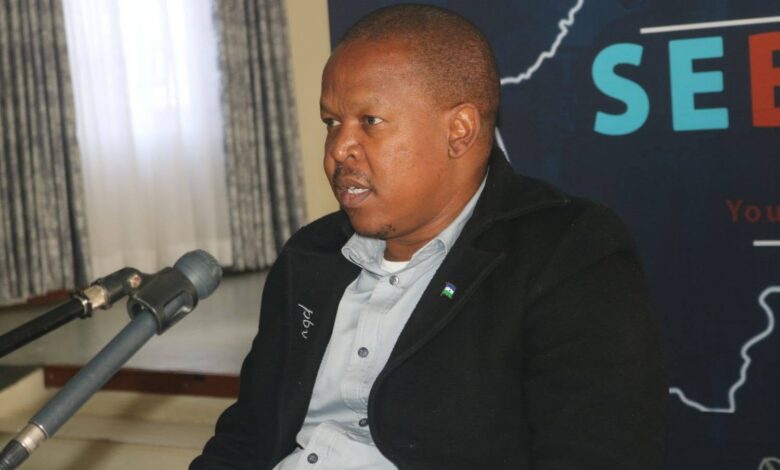
The Minister of Gender, Youth and Social Development, Mr. Pitso Lesaoana, has called on young people in Lesotho to make greater use of technology as a tool for building businesses, accessing education, finding markets and developing solutions to challenges affecting communities. His call came in a statement marking International Youth Day, observed annually on August 12 to recognise the important role young people play in sustainable development and society. Minister Lesaoana said young people should not be viewed only as future leaders because they are already contributing as entrepreneurs, volunteers and active citizens. He stressed that technology should extend beyond entertainment and become a practical resource that helps young people create opportunities and participate more meaningfully in the economy. His message places youth empowerment, digital inclusion and entrepreneurship at the centre of efforts to strengthen opportunities for the country’s young population.
Technology has become an increasingly important part of education, business and communication, creating opportunities for young people who can access and use digital tools effectively. Minister Lesaoana encouraged the youth to use technology to establish businesses and connect their products and services with customers beyond their immediate communities. Digital platforms can allow young entrepreneurs to promote their businesses, communicate with customers, access information and explore new markets without relying entirely on traditional business methods. Technology can also help students access educational resources, online courses and other learning opportunities that can strengthen their skills. By using technology with a clear purpose, young people can move from being consumers of digital content to becoming creators, entrepreneurs and problem-solvers.
The Minister also emphasised that young people should be recognised for the roles they already play in society rather than being treated solely as leaders of the future. Young entrepreneurs are already establishing businesses, creating employment and contributing to local economies, while volunteers support communities through various social initiatives. Young people also have an important role in identifying challenges within their communities and developing innovative responses to those challenges. Recognising these contributions can help create a stronger culture of youth participation and responsibility. It also reinforces the idea that young people should have a voice in decisions and programmes that directly affect their lives and future prospects.
Minister Lesaoana said Lesotho needs to continue investing in young people through education, business development, technology and sports, among other areas. Education remains an important foundation because young people need relevant knowledge and practical skills to participate successfully in a changing economy. Business development support can help aspiring entrepreneurs turn ideas into sustainable enterprises while improving access to finance, mentorship, markets and business networks. Investment in technology can reduce digital barriers and provide young people with tools that support learning, employment and entrepreneurship. Sports can also contribute to youth development by promoting discipline, teamwork, physical activity and opportunities for participation at local, national and international levels.
Youth unemployment remains one of the major challenges requiring sustained attention from government and other stakeholders. Young people who struggle to find employment can face difficulties gaining experience, building financial independence and developing long-term careers. Skills gaps can further increase these challenges when young people have qualifications but lack the practical or specialised skills required by employers and emerging industries. Limited access to technology can also restrict opportunities for young people to participate in the digital economy or access online education and employment platforms. Addressing these challenges requires coordinated interventions that connect education, skills development, entrepreneurship, technology access and employment opportunities.
The Minister highlighted the importance of collaboration between government ministries, the private sector, civil society organisations, young people and the wider public. No single institution can address the range of challenges facing young people because youth development involves education, employment, entrepreneurship, technology, social development and economic policy. Government can create supportive policies and programmes, while businesses can contribute through investment, training, mentorship and employment opportunities. Civil society organisations can support communities and help ensure that youth programmes reach young people who may otherwise be excluded. Young people themselves must also participate actively by identifying their needs, developing solutions and taking advantage of opportunities made available to them.
Minister Lesaoana further pointed to a shift in the government’s approach to youth development, moving from programmes primarily designed to address the needs of young people towards initiatives focused on creating opportunities for them. This change places greater emphasis on enabling young people to participate in economic and social development rather than treating them only as beneficiaries of government support. The SEBABATSO programme was cited as an example of this approach, reflecting the broader objective of creating pathways through which young people can access opportunities. Such initiatives can become more effective when they provide practical support that helps young people move from ideas and potential to measurable economic and social participation. The success of this approach will depend on continued investment, effective implementation and meaningful engagement with young people.
The call for greater investment in youth comes at a time when digital skills and access to technology are becoming increasingly important in education and employment. Young people who can use digital tools effectively may have opportunities to access information, learn new skills, market products and services and connect with customers or employers in different locations. However, digital inclusion requires more than simply providing access to devices or internet services. Young people also need digital skills, reliable connectivity and opportunities to apply technology to practical challenges. Expanding meaningful digital inclusion can therefore help reduce some of the barriers that prevent young people from participating fully in the modern economy.
International Youth Day provides an opportunity to examine these issues and consider how societies can create better conditions for young people to participate and succeed. The day is commemorated every year on August 12, with a focus on recognising youth engagement in areas such as sustainable development, education, employment, climate action, digital inclusion and mental well-being. These areas are closely connected because young people’s ability to participate in society depends on access to education, economic opportunities, technology and supportive social environments. The observance also provides governments and organisations with an opportunity to evaluate existing youth policies and consider where additional action is needed. For Lesotho, the occasion offers a platform to renew attention to the opportunities and challenges facing the country’s young population.
Minister Lesaoana said this year’s Youth Day commemoration should go beyond celebration and serve as a renewal of each stakeholder’s commitment to investing in young people. This message places responsibility on government, businesses, civil society organisations, communities and young people themselves to turn commitments into practical action. Investment in youth can take many forms, including improved education, entrepreneurship support, access to technology, sports development, skills training and pathways into employment. Creating opportunities also requires programmes that respond to the realities young people face and provide support that can lead to sustainable outcomes. A stronger commitment to youth development can help young people contribute more fully to Lesotho’s economy and social development.
The Minister’s message ultimately highlights the need to view young people as active participants in Lesotho’s present and future development. Technology can give young people access to education, markets, business opportunities and tools for solving problems, but they need the right support and skills to use it effectively. At the same time, addressing unemployment, skills gaps, limited business opportunities and inadequate technology access requires cooperation across government, business, civil society and communities. International Youth Day should therefore serve as more than an annual event, as it provides an opportunity to assess whether the country is creating meaningful opportunities for its young people. By investing in education, entrepreneurship, technology, sports and other areas of youth development, Lesotho can create stronger pathways for young people to become entrepreneurs, innovators, volunteers and active citizens who contribute to the country’s development.
Join 'Lesotho News' WhatsApp Channel
Get breaking Lesotho news — delivered directly to your WhatsApp.
CLICK HERE TO JOIN