European Union in Lesotho Hosts Africa-Europe Partnerships for Culture Grant Proposal Writing Workshop
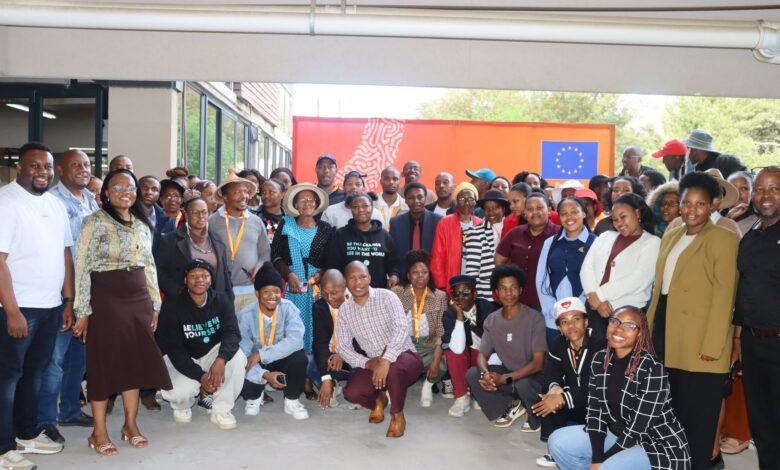
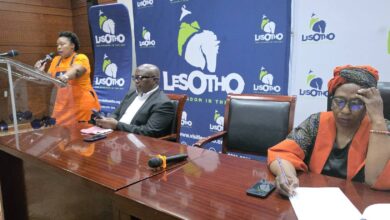
The European Union in Lesotho hosted an Africa-Europe Partnerships for Culture grant proposal writing workshop on 28 September 2026, bringing together stakeholders interested in strengthening cultural cooperation and improving access to funding opportunities. The workshop focused on practical grant proposal writing skills and formed part of broader efforts to support partnerships between African and European cultural organisations. The initiative was implemented by the Goethe-Institut in collaboration with the Ministry of Tourism, Sports, Arts and Culture and the Lesotho Copyright Society of Authors and Artists, also known as LESCOSAA. The workshop took place at Mpilo Boutique Hotel and was facilitated by Bathusi Lesolobe. By focusing on proposal development, the programme addressed an important need among cultural practitioners and organisations seeking to turn creative ideas into viable projects that can attract institutional and international support.
Grant proposal writing plays an important role in the cultural and creative sector because many projects depend on external funding to move from an idea to implementation. Cultural organisations often have strong creative concepts but may face challenges when presenting those ideas in the structured format required by grant programmes. A well-prepared proposal needs to explain the project clearly, identify its objectives, describe the expected results and show how the available resources will support implementation. It also needs to demonstrate why the project matters to the communities or audiences it intends to serve. The Africa-Europe Partnerships for Culture workshop therefore provided a relevant setting for participants to develop skills that can help them communicate their cultural projects more effectively to potential funding partners.
The involvement of the European Union in Lesotho reflects the wider role of international partnerships in supporting cooperation between Lesotho and European institutions. Cultural cooperation can create opportunities for artists, cultural organisations and creative professionals to exchange knowledge, develop networks and explore joint projects. These partnerships can also help cultural practitioners understand how international funding programmes operate and what they expect from applicants. For organisations in Lesotho, stronger proposal writing skills can make it easier to present local cultural priorities within regional and international funding frameworks. The workshop placed this practical capacity building within the broader context of Africa-Europe partnerships for culture.
The Goethe-Institut played a key implementation role in the workshop, working alongside the Ministry of Tourism, Sports, Arts and Culture and LESCOSAA. The collaboration brought together international cultural cooperation, government participation and representation from the copyright and creative arts sector. Each area has relevance to the development of Lesotho’s cultural and creative industries, where artists and organisations need both institutional support and practical knowledge. LESCOSAA’s involvement is particularly relevant to a cultural environment where creators need greater awareness of intellectual property and the protection of creative works. The participation of these institutions helped connect grant writing with the wider needs of cultural practitioners and creative organisations in Lesotho.
The Ministry of Tourism, Sports, Arts and Culture is an important government stakeholder in the development and promotion of culture in Lesotho. Its collaboration in the workshop connected the grant proposal training with national cultural development efforts. Government participation can also help create stronger links between cultural practitioners, public institutions and international development partners. For participants, this type of collaboration can provide a better understanding of how cultural projects fit within broader national priorities. It can also encourage greater coordination among organisations working to support the arts, heritage and creative industries.
LESCOSAA also formed part of the partnership behind the workshop, highlighting the connection between cultural development and the rights of creators. Artists and cultural organisations often need to consider copyright issues when developing projects, producing content or entering partnerships. Understanding copyright can help creators protect their work while also managing permissions, licensing and other rights-related matters. When grant-funded cultural projects involve music, literature, visual art, performances or other creative works, these considerations can become an important part of project planning. The participation of LESCOSAA therefore added a relevant dimension to a workshop centred on strengthening the capacity of cultural practitioners.
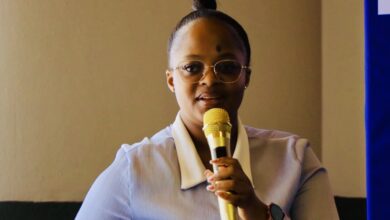
Bathusi Lesolobe facilitated the workshop at Mpilo Boutique Hotel on 28 September 2026. A facilitator plays an important role in turning grant writing concepts into practical learning, particularly when participants have different levels of experience with funding applications. Effective proposal development requires more than simply knowing how to complete an application form. Applicants need to understand how to define a problem, develop realistic objectives, plan activities, identify beneficiaries and explain expected results in a coherent way. They also need to connect their project budget to the activities they propose, because funders generally need to see how financial resources will support the stated objectives.
For cultural practitioners in Lesotho, access to grant proposal writing knowledge can be particularly useful when pursuing opportunities beyond traditional sources of funding. International cultural programmes often involve competitive application processes, which means applicants must communicate their ideas with clarity and precision. A strong cultural project proposal should explain the value of the proposed work while providing enough practical information for a funder to assess its feasibility. It should also show how the project could contribute to cultural participation, professional development, community engagement or other relevant outcomes. Training focused on these areas can help applicants approach future funding opportunities with a clearer understanding of the proposal development process.
The Africa-Europe Partnerships for Culture initiative also highlights the importance of cooperation between cultural actors across regions. Africa-Europe cultural partnerships can provide opportunities for organisations to exchange experience and develop projects that involve multiple countries or institutions. Such partnerships can expose local cultural practitioners to new networks while allowing international partners to gain a deeper understanding of cultural work in Lesotho and Southern Africa. Collaboration can also support the development of projects that combine local knowledge with international expertise. The grant proposal writing workshop addressed one of the practical requirements for making such partnerships possible, namely the ability to develop and present fundable project ideas.
The workshop’s focus on Southern Africa is also significant because cultural organisations across the region operate in diverse social, economic and institutional environments. Funding opportunities may require applicants to demonstrate how their projects respond to local needs while also meeting broader programme objectives. This requires careful planning, realistic budgeting and a clear explanation of expected impact. Proposal writing training can help organisations bridge the gap between creative ideas and the formal requirements of funding applications. For participants from Lesotho, this can provide useful skills for engaging with future regional and international cultural programmes.
Successful grant writing does not guarantee funding, since final decisions depend on the requirements and assessment processes of individual programmes. However, stronger proposal development can help organisations present their projects in a more organised and understandable way. Applicants still need a clear project concept, realistic activities, appropriate budgets and the capacity to deliver the proposed work. They also need to pay close attention to eligibility requirements and application deadlines for each funding opportunity. The value of a workshop such as this therefore extends beyond one application, because the skills gained can potentially be applied to different cultural projects and funding calls.
The event at Mpilo Boutique Hotel brought together an important combination of cultural cooperation, government participation, copyright awareness and practical skills development. The collaboration between the European Union in Lesotho, Goethe-Institut, the Ministry of Tourism, Sports, Arts and Culture and LESCOSAA demonstrated the role that partnerships can play in supporting capacity building within the cultural sector. The involvement of Bathusi Lesolobe as facilitator added a focused training component to the programme. Rather than concentrating only on the availability of funding, the workshop addressed the practical ability of cultural practitioners to prepare proposals. This approach can help participants better understand how to transform cultural ideas into structured projects that can be presented to potential funding partners.
The 28 September 2026 Africa-Europe Partnerships for Culture grant proposal writing workshop therefore represented a practical investment in cultural sector capacity in Lesotho. Its focus on grant writing provided participants with knowledge relevant to accessing cultural funding and developing stronger project proposals. The partnership between the European Union in Lesotho, Goethe-Institut, the Ministry of Tourism, Sports, Arts and Culture and LESCOSAA also demonstrated the value of cooperation among international, government and creative-sector institutions. As Lesotho’s cultural and creative sector continues to develop, practical skills in project planning, fundraising, copyright and partnership development can help organisations engage more effectively with available opportunities. The workshop provided a focused platform for that capacity building and reinforced the importance of connecting Lesotho’s cultural practitioners with wider Africa-Europe cultural cooperation.
Join 'Lesotho News' WhatsApp Channel
Get breaking Lesotho news — delivered directly to your WhatsApp.
CLICK HERE TO JOIN