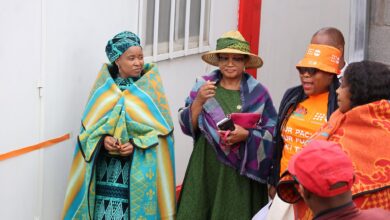
Lesotho Media Urged to Promote Accurate Reporting on EU-SADC Economic Partnership Agreement


Lesotho’s media practitioners have been urged to play a more active role in promoting public understanding of the European Union-Southern African Development Community Economic Partnership Agreement (EU-SADC EPA). The call was made on November 16, 2026, by the Principal Secretary in the Ministry of Trade, Industry and Business Development, Ms. Palesa Matobako, during the opening of a two-day media training workshop in Maseru. She emphasised the importance of accurate, balanced and evidence-based reporting in helping citizens understand the agreement and the economic opportunities it offers. Her remarks highlighted the media’s responsibility to make complex trade policies easier for businesses, entrepreneurs and ordinary citizens to understand. She also stressed that effective communication is essential to ensuring that more people become aware of the benefits of international trade and regional economic cooperation.
Speaking at the opening ceremony, Matobako said the media plays an important role in connecting policymakers, businesses and the public. She explained that journalists help translate government policies and trade agreements into information that people can understand and use. Through responsible reporting, the media can provide clarity on how trade arrangements affect local industries, employment opportunities, business development and economic growth. She noted that accurate information can also help businesses make informed decisions about accessing international markets and expanding their operations. According to Matobako, journalists should therefore approach trade-related issues with a strong understanding of the facts and the economic realities surrounding them.
Matobako described the EU-SADC Economic Partnership Agreement as a strategic framework designed to promote market access, regional integration and economic growth. The agreement provides a trade framework between the European Union and participating Southern African Development Community countries, creating opportunities for eligible products to access international markets under agreed trading conditions. For Lesotho, the arrangement is particularly important because access to the European market can support local production, strengthen export activities and encourage investment. It also provides opportunities for businesses to explore markets beyond the country’s borders and build stronger international trading relationships. These opportunities make the agreement an important part of Lesotho’s broader efforts to strengthen its economy and increase its participation in international trade.
The textile and apparel industries have been among the sectors that have benefited from the trade opportunities associated with the EU-SADC EPA. Lesotho’s textile and clothing businesses have an important role in the country’s export economy, making access to international markets particularly valuable. Preferential trade arrangements can help eligible producers compete in foreign markets by providing agreed conditions for market access. Such opportunities can support production, encourage investment and contribute to employment within the manufacturing sector. However, businesses must understand the agreement’s requirements, including applicable rules of origin, product standards and customs procedures, to take full advantage of the available opportunities.
Beyond textiles and apparel, the agreement also creates opportunities for Lesotho to pursue export diversification. Export diversification involves expanding the range of products and services a country sells to international markets rather than relying heavily on a limited number of industries. This approach can help strengthen economic resilience and reduce exposure to challenges affecting individual sectors. For local producers, international market access can create incentives to improve product quality, increase production capacity and meet the requirements of overseas buyers. Matobako’s remarks therefore highlighted the importance of exploring how more sectors of the economy can benefit from international trade opportunities.
The Principal Secretary further emphasised that the benefits of the agreement will not be fully realised without awareness and active participation from different stakeholders. Businesses, entrepreneurs and members of the public need reliable information about the agreement and the practical steps required to participate in international trade. She highlighted the importance of ensuring that trade opportunities extend beyond established companies and large businesses. Small enterprises, women entrepreneurs, young people and rural communities should also have opportunities to participate in economic activities supported by international market access. This inclusive approach is important because broader participation can help spread the benefits of trade across different communities and contribute to sustainable economic development.
Small businesses, in particular, require access to practical information about export procedures, product requirements, market opportunities and available support services. Many emerging enterprises have products with commercial potential but may lack the knowledge or resources needed to reach international customers. Improved awareness of trade agreements can help these businesses identify potential markets and understand the standards they must meet. Women-owned businesses and young entrepreneurs can also benefit from information that helps them develop competitive products and connect with wider markets. Rural producers should not be excluded from these opportunities, especially where local agricultural products, manufactured goods and other marketable products have potential for growth.
The two-day media training in Maseru has been organised by the Ministry of Trade, Industry and Business Development in collaboration with the European Union and German Development Cooperation, known as GIZ. The programme seeks to strengthen journalists’ understanding of the EU-SADC EPA and improve their ability to report effectively on trade-related matters. It provides an opportunity for media practitioners to develop a clearer understanding of the agreement’s objectives, provisions and relevance to Lesotho’s economy. Better-informed journalists can explain the practical implications of trade policies while helping audiences distinguish between confirmed opportunities, policy commitments and challenges that require further attention. The training also recognises that effective trade reporting requires more than repeating official statements. Journalists need to examine evidence, ask relevant questions and present information in a way that serves the public interest.
The involvement of the European Union and GIZ also reflects the importance of cooperation in strengthening trade knowledge and public communication. Trade agreements involve technical issues that can be difficult for people outside the business and policymaking environment to understand. These include market access conditions, customs procedures, rules of origin and product standards. When journalists understand these issues, they can explain how they affect local producers, exporters and consumers. Such reporting can encourage informed public discussion and help businesses identify areas where they need additional support or information.
The call for accurate and evidence-based reporting comes at an important time for Lesotho as the country continues to explore opportunities for economic growth through international trade. Access to international markets can create significant opportunities, but these opportunities do not automatically translate into business success or widespread economic benefits. Local companies must develop competitive products, meet market requirements and build the capacity to supply international customers consistently. Government institutions and development partners also have an important role in providing information and supporting businesses as they navigate trade arrangements. The media can contribute by reporting on both the opportunities and the practical challenges involved in making international trade work for the country.
Matobako’s message also reinforces the importance of public awareness in ensuring that trade policies deliver meaningful economic benefits. Citizens need to understand how agreements such as the EU-SADC EPA relate to national development priorities, business opportunities and employment. Businesses need accurate information to assess whether they can enter new markets and what steps they must take to qualify for available trade preferences. Policymakers, meanwhile, can benefit from media coverage that highlights implementation challenges, stakeholder concerns and areas requiring further intervention. By providing accurate and accessible information, journalists can help create stronger connections between trade policy and the everyday economic experiences of citizens.
Lesotho’s ability to maximise the opportunities associated with the EU-SADC Economic Partnership Agreement will depend on cooperation between government, businesses, development partners and the wider public. Strengthening the textile and apparel sectors, supporting export diversification and creating opportunities for small businesses, women entrepreneurs, young people and rural communities are important parts of this process. The two-day media training in Maseru is intended to equip journalists with the knowledge needed to communicate these issues responsibly and effectively. Matobako’s appeal highlights that trade agreements should not remain limited to government offices and business boardrooms. Through accurate, balanced and evidence-based journalism, the media can help more Basotho understand the EU-SADC EPA, identify opportunities and participate in building a stronger, more inclusive and competitive economy.
Join 'Lesotho News' WhatsApp Channel
Get breaking Lesotho news — delivered directly to your WhatsApp.
CLICK HERE TO JOIN