Lesotho Holds Inaugural Higher Education Symposium to Address Governance, Funding and Quality of Education

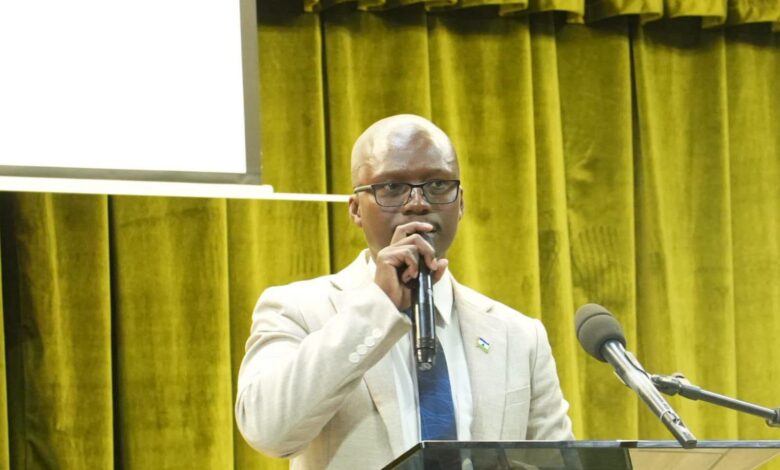
The Ministry of Education and Training has convened its inaugural Higher Education Symposium in Maseru to address critical challenges affecting higher education institutions in Lesotho. The two-day event, held at Victory Hall, brings together stakeholders to discuss ways of strengthening institutional governance, improving financial sustainability, enhancing quality assurance and promoting equal access to higher education. The symposium comes at an important time when universities and other higher learning institutions face increasing pressure to provide quality education while managing limited financial resources. It also provides an opportunity for policymakers, institutional leaders and other stakeholders to examine reforms that can improve the performance and long-term sustainability of the country’s higher education sector. Through this initiative, the Ministry aims to encourage meaningful discussions and develop practical recommendations that will guide future policy decisions and institutional development.
Opening the symposium, the Minister of Education and Training, Professor Ntoi Rapapa, highlighted the financial challenges facing higher education institutions in Lesotho. He noted that the growing demand for higher education requires institutions to strengthen their ability to mobilise resources and manage available funding responsibly. As more students seek opportunities to pursue university and other tertiary qualifications, institutions must find sustainable ways to finance teaching, research, infrastructure and student support services. Heavy reliance on limited funding sources can affect institutional operations and restrict the ability to respond to changing educational needs. Professor Rapapa therefore emphasised the importance of developing sustainable financing mechanisms that can support the long-term development of higher education.
The Minister also stressed the need to strengthen partnerships with development partners as part of efforts to address financial constraints. Such partnerships can create opportunities for institutions to access additional resources, technical expertise and support for research and academic development. However, he cautioned that financial difficulties should not compromise the quality of education or prevent students from accessing higher learning opportunities. Particular attention must be given to self-sponsored students who finance their own studies and may face difficulties meeting the costs of higher education. Institutions must therefore consider approaches that balance financial sustainability with affordability and equitable access.
Financial sustainability remains one of the major issues affecting higher education systems around the world. Universities require consistent funding to maintain academic standards, attract qualified lecturers, invest in research and provide appropriate learning facilities. They must also meet operational costs, including staff salaries, electricity, technology, laboratory equipment and library resources. When institutions experience financial difficulties, these essential services can come under pressure, potentially affecting students and academic staff. Strengthening financial planning and diversifying funding sources can help institutions become more resilient and reduce the risk of disruptions to academic activities.
Professor Rapapa also placed strong emphasis on improving the quality and relevance of higher education in Lesotho. He called for stronger accreditation processes and effective quality assurance mechanisms to ensure that academic programmes meet recognised standards. Quality assurance plays an important role in maintaining the credibility of qualifications and ensuring that institutions provide education that meets the expectations of students, employers and society. It also helps identify weaknesses in teaching methods, academic administration and institutional performance. By strengthening these systems, Lesotho can improve confidence in its higher education qualifications and ensure that graduates receive relevant and recognised training.
The Minister further highlighted the importance of strengthening research, teaching and student support services. Higher education institutions are expected to do more than provide academic qualifications because they also contribute to innovation, knowledge production and national development. Research enables institutions to investigate challenges affecting society and develop solutions that can improve different sectors of the economy. Effective teaching ensures that students acquire the theoretical knowledge and practical skills required in their chosen professions. Student support services are equally important because they help learners navigate academic, financial and personal challenges that may affect their ability to complete their studies successfully.
The relevance of academic programmes to the needs of the labour market was another important issue raised during the symposium. Professor Rapapa advised higher education institutions to consult relevant government ministries and private sector representatives before introducing new academic programmes. He explained that such consultations are necessary to ensure that new courses respond to national development priorities and the actual skills requirements of employers. Introducing programmes without considering labour market needs can result in graduates struggling to find employment in their areas of specialisation. Stronger cooperation between educational institutions, government and industry can help close skills gaps and ensure that qualifications prepare students for available employment opportunities.
This approach is particularly important as Lesotho seeks to strengthen its economy and expand opportunities for young people. Different sectors require skilled graduates who can contribute to productivity, innovation and improved service delivery. Employers also need workers who possess practical knowledge, problem-solving abilities and the technical skills required in modern workplaces. Higher education institutions can respond to these demands by reviewing existing programmes, updating curricula and developing courses that reflect emerging economic opportunities. Regular engagement with employers can also help institutions understand changing workplace requirements and adjust their academic offerings accordingly.
Inclusive access to higher education was another central theme of the Minister’s opening remarks. Professor Rapapa emphasised that opportunities for higher learning should be accessible to everyone, regardless of disability or social and economic circumstances. He specifically called for greater attention to persons with disabilities and students who face financial and social challenges. Access to education should not be determined solely by a person’s ability to overcome barriers that institutions can reasonably address. Higher education providers must therefore consider accessible learning facilities, appropriate academic support and arrangements that enable students with different needs to participate fully.
Promoting equitable access requires institutions to examine the physical, financial and academic barriers that prevent some students from pursuing higher education. Students with disabilities may require accessible buildings, adapted learning materials, assistive technologies and appropriate support services. Those from economically disadvantaged backgrounds may need financial assistance, flexible payment arrangements or other forms of support to remain in higher education. Institutions must also recognise that students experience different challenges depending on their circumstances. Creating a more inclusive higher education system can help ensure that talented individuals are not excluded from opportunities because of factors beyond their control.
The Minister also urged higher education institutions to prioritise financial accountability and transparency. He stressed the importance of ensuring that financial audits are conducted and submitted as required. Proper financial reporting allows institutions to demonstrate how public and other financial resources are being used. It also helps identify weaknesses in financial management, improve internal controls and reduce the risk of irregular spending. Transparent financial practices are essential for promoting responsible institutional governance and strengthening public confidence in universities and other higher learning institutions.
Good financial governance is particularly important because higher education institutions manage resources that are intended to support teaching, research and student development. Institutional leaders must ensure that budgets reflect actual priorities and that expenditure follows approved procedures. Regular audits provide an opportunity to assess financial performance and identify areas requiring improvement. They also help governing bodies and relevant authorities make informed decisions about institutional operations. By strengthening accountability, institutions can improve their credibility and build stronger relationships with government, students, development partners and the wider public.
Institutional independence and autonomy also featured prominently in Professor Rapapa’s address. He called for higher education institutions to operate with greater independence rather than depending entirely on government ministries for their decisions and daily operations. Institutional autonomy allows universities to make academic and administrative decisions within their established legal and regulatory frameworks. It can support innovation, improve responsiveness and enable institutions to develop strategies that reflect their individual mandates and priorities. However, greater independence must go hand in hand with transparency, accountability and effective governance to ensure that institutions use their authority responsibly.
The relationship between institutional autonomy and public accountability is especially important in higher education. Universities need sufficient independence to determine academic priorities, manage their internal affairs and respond to developments in research and teaching. At the same time, institutions must demonstrate that they are using their resources effectively and meeting their responsibilities to students and society. Clear governance structures can help establish appropriate roles for university councils, management teams and academic bodies. Strengthening these arrangements can improve institutional decision-making while protecting academic standards and public trust.
The inaugural symposium also provides an opportunity to examine how higher education institutions can contribute more effectively to Lesotho’s national development priorities. Universities and other tertiary institutions play an important role in producing professionals, developing technical skills and supporting research that addresses national challenges. Their contribution extends to sectors such as education, healthcare, agriculture, technology, business and public administration. A stronger higher education system can help reduce skills shortages and support the development of a more productive workforce. Achieving this requires institutions to align their strategies with the country’s economic and social development needs.
The two-day gathering is therefore expected to provide an important platform for dialogue among stakeholders in the education sector. Discussions on funding, governance, accreditation, research and inclusion can help identify weaknesses that require policy attention. Participants also have an opportunity to exchange ideas about practical measures that institutions can implement to improve their operations. The value of the symposium will depend on the extent to which these discussions translate into clear recommendations and meaningful reforms. Strong cooperation between the Ministry, higher education institutions, development partners and the private sector will be essential in implementing any agreed improvements.
Professor Rapapa urged participants to use the symposium constructively and develop practical recommendations that can inform policy development, institutional planning and reforms across the higher education sector. His message highlighted the importance of moving beyond discussions towards concrete actions that address the challenges facing institutions. Sustainable funding arrangements, stronger financial accountability, improved academic quality and inclusive access require coordinated efforts from all relevant stakeholders. Institutions must also take responsibility for improving their governance structures and ensuring that their academic programmes remain relevant. A shared commitment to reform can help create a higher education system that responds effectively to the needs of students and the country.
The inaugural Higher Education Symposium marks an important opportunity for Lesotho to reflect on the future direction of its universities and other higher learning institutions. The issues raised by Professor Ntoi Rapapa demonstrate that improving higher education requires attention to financial sustainability, institutional independence, academic quality and equal opportunities for all students. Stronger partnerships with development partners and the private sector can also help institutions access resources and respond to changing labour market demands. However, lasting progress will depend on transparent governance, responsible financial management and the effective implementation of policy recommendations. By turning the discussions at Victory Hall into practical reforms, Lesotho can strengthen its higher education sector and build institutions that produce skilled graduates, support research and contribute meaningfully to national development.
Join 'Lesotho News' WhatsApp Channel
Get breaking Lesotho news — delivered directly to your WhatsApp.
CLICK HERE TO JOIN