Lesotho Congratulates 13 African Countries Elected to ITU Council and Three Experts to Radio Regulations Board
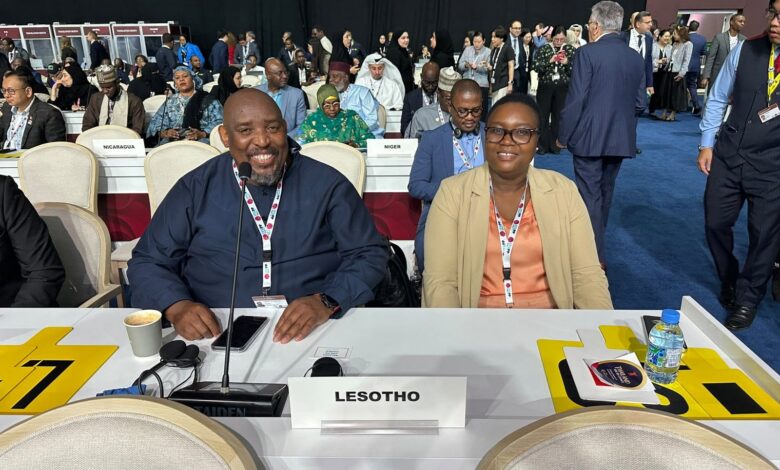
The Kingdom of Lesotho has congratulated 13 African countries elected to the International Telecommunication Union (ITU) Council and three African experts chosen to serve on the organisation’s Radio Regulations Board (RRB). The elections took place during the ITU Plenipotentiary Conference (PP-26), held in Doha, Qatar. The results represent an important opportunity for African countries and telecommunications professionals to contribute to international decision-making on information and communication technologies. Lesotho welcomed the successful election of the African representatives, recognising the importance of the continent’s participation in global telecommunications governance. The development also highlights Africa’s growing involvement in discussions about digital connectivity, telecommunications regulation and the future of global communication systems.
The 13 African countries elected to the ITU Council are Algeria, Côte d’Ivoire, Egypt, Ghana, Kenya, Mauritius, Morocco, Nigeria, Rwanda, Senegal, South Africa, Tanzania and Tunisia. Their election provides these countries with an opportunity to participate in the Council’s work and contribute to decisions affecting the international telecommunications sector. The ITU Council plays an important role in overseeing the organisation’s work between Plenipotentiary Conferences. It considers policy, financial and strategic matters while helping guide the implementation of decisions taken by the organisation’s highest governing conference. African representation on the Council is therefore important in ensuring that the continent’s priorities and development needs receive attention in international telecommunications discussions.
The election of African countries to the ITU Council is particularly relevant as governments across the continent continue to expand digital infrastructure and improve access to communication services. Reliable telecommunications networks support economic activity, education, healthcare, public administration and access to information. However, many African countries continue to face challenges involving network coverage, affordability, infrastructure investment and access to modern digital technologies. Participation in international decision-making allows African representatives to contribute perspectives based on these challenges and their countries’ development priorities. It also creates opportunities for cooperation on policies that can support more inclusive and accessible digital transformation across the continent.
In addition to the 13 Council members, three African telecommunications experts were elected to the ITU Radio Regulations Board. They are Mr Edmund Yirenkyi Fianko of Ghana, Ms Basebi Mosinyi of Botswana and Ms Sana Zairi of Morocco. Their election brings African technical expertise into an important international body responsible for addressing matters related to the application of the Radio Regulations. The board plays a significant role in ensuring the effective and equitable use of radio-frequency spectrum and satellite orbits. These resources are essential for mobile communications, broadcasting, satellite services, aviation, maritime communications and other technologies that depend on radio transmissions.
The Radio Regulations Board has an important responsibility in maintaining an international framework for managing radio-frequency resources. Radio spectrum is limited, and different countries and services must share it without causing harmful interference to one another. As demand for wireless communication continues to increase, effective spectrum management becomes increasingly important. The work of the RRB helps support international coordination and the consistent application of the Radio Regulations. The election of three African experts therefore gives the continent an opportunity to contribute technical knowledge and professional experience to decisions affecting global telecommunications systems.
Lesotho was represented during the elections by Principal Secretary Mr Kanono Ramashamole, who attended the conference in Doha. His arrival followed his appointment to take over as Head of Delegation from the Honourable Minister of Information, Communications, Science, Technology and Innovation (MICSTI), Hon. Nthati Moorosi. His participation ensured Lesotho’s representation during the electoral proceedings and the wider conference engagements. The change in delegation leadership allowed the country to maintain its participation in the international telecommunications discussions. Lesotho’s involvement reflects the importance it attaches to multilateral cooperation and active engagement in organisations responsible for shaping the global communications environment.
The ITU Plenipotentiary Conference is the organisation’s highest decision-making forum. It brings together representatives from member states to consider the strategic direction of international telecommunications and information and communication technologies. Among its responsibilities are reviewing the organisation’s priorities, adopting policies, considering financial matters and electing members to key governing bodies. The conference also provides an opportunity for countries to discuss shared challenges and establish priorities for international cooperation. For African nations, participation is important because decisions made through the ITU can influence the development of telecommunications infrastructure, digital services and regulatory frameworks across the continent.
The ITU itself is a specialised agency of the United Nations responsible for matters relating to information and communication technologies. Its work includes coordinating the international use of radio spectrum and satellite orbits, developing global telecommunications standards and supporting efforts to improve connectivity. The organisation provides a platform where governments, technical experts and other stakeholders can cooperate on issues affecting communication networks and digital development. Its activities are particularly important as new technologies continue to change how people communicate, conduct business and access information. Through participation in the ITU, countries can contribute to international standards and policies while strengthening their engagement with the global technology community.
For African countries, stronger representation in the ITU Council and Radio Regulations Board can help advance discussions on issues that directly affect the continent’s digital development. These include affordable broadband access, reliable mobile networks, rural connectivity, cybersecurity, satellite communication and the responsible management of radio spectrum. African governments also have an interest in ensuring that international telecommunications policies recognise the different economic and infrastructure conditions across the continent. Effective representation can help bring these concerns into international discussions and encourage solutions that support developing economies. The election results therefore provide an important platform for African countries and experts to contribute to the future direction of global telecommunications.
Lesotho’s participation in the Plenipotentiary Conference also reflects the importance of international cooperation in strengthening its own communications sector. As the country continues to pursue digital development, engagement with the ITU provides opportunities to learn from other member states, participate in technical discussions and contribute to international telecommunications initiatives. Access to reliable and affordable communication services remains important for improving service delivery, supporting businesses and expanding educational opportunities. International cooperation can also help countries strengthen regulatory capacity and respond to technological changes. Lesotho’s representation in Doha demonstrates its continued engagement with global institutions working to advance telecommunications and digital connectivity.
The election of 13 African countries to the ITU Council and three African experts to the Radio Regulations Board marks an important moment for the continent’s participation in global telecommunications governance. The successful candidates bring national representation and technical expertise to institutions that influence international communication policies and spectrum management. Lesotho’s congratulatory message recognises the importance of these achievements and the opportunities they create for stronger African engagement. Principal Secretary Kanono Ramashamole’s representation of Lesotho during the elections further demonstrates the country’s commitment to participating in international telecommunications affairs. As digital technologies become increasingly important to economic and social development, strong African representation within the ITU will remain essential in advancing the continent’s interests and contributing to a more connected global community.
Join 'Lesotho News' WhatsApp Channel
Get breaking Lesotho news — delivered directly to your WhatsApp.
CLICK HERE TO JOIN