World Vision Lesotho Launches FY26–FY30 Strategy to Transform Lives and Empower Vulnerable Communities

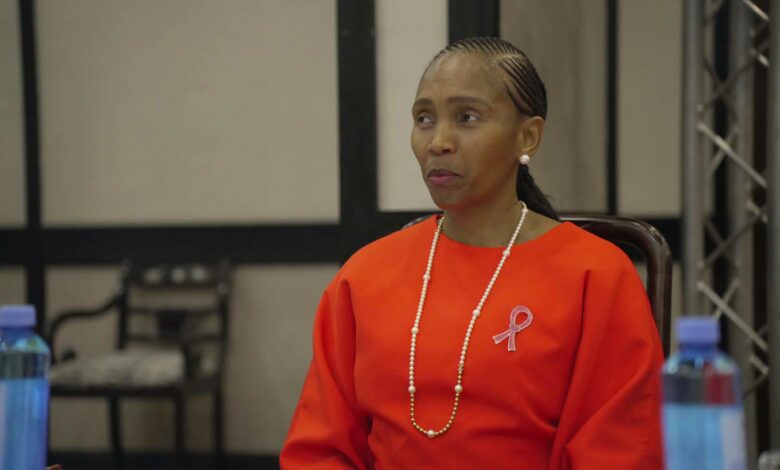
World Vision International Lesotho is set to launch its FY26–FY30 Strategy, outlining a five-year commitment to improving the lives of children, strengthening vulnerable families and empowering communities across the country. The strategy, themed “Transforming Lives, Empowering Communities with Agile, Low-Cost, High-Impact Programmes,” aims to address some of the most pressing challenges affecting children and vulnerable households in Lesotho. The launch is being led by Her Majesty Queen ‘Masenate Mohato Seeiso, World Vision’s Champion for Child Protection. The event brings together government representatives, development partners, United Nations agencies, civil society organisations, faith leaders, private sector representatives and other stakeholders committed to improving children’s welfare. Through this new strategy, World Vision seeks to strengthen existing development efforts while introducing practical approaches that deliver lasting benefits to children and their communities.
The launch represents an important milestone in World Vision Lesotho’s ongoing efforts to promote child protection, improve access to essential services and support sustainable community development. The five-year strategy provides a framework for guiding the organisation’s programmes and partnerships between 2026 and 2030. Its central focus is to ensure that vulnerable children and families receive the support they need to overcome poverty, poor health, malnutrition and violence. The emphasis on agile, low-cost and high-impact programmes reflects the organisation’s intention to promote practical interventions that respond to community needs while making effective use of available resources. It also recognises that sustainable development requires solutions that communities can understand, support and maintain.
In his opening remarks, World Vision Lesotho National Director, Dr. James Chifwelu, expressed gratitude to Her Majesty Queen ‘Masenate Mohato Seeiso for her continued commitment to improving the well-being of children in Lesotho. He recognised her role as World Vision’s Champion for Child Protection since 2016, highlighting the importance of her continued advocacy for children’s rights and safety. Her involvement has helped maintain attention on the need to protect children from abuse, neglect, exploitation and other forms of violence. Dr. Chifwelu noted that her commitment continues to inspire efforts aimed at safeguarding children’s dignity, rights and future opportunities. He also acknowledged the importance of leadership and public support in strengthening national efforts to create safer environments for children.
Dr. Chifwelu explained that the FY26–FY30 Strategy will deepen World Vision Lesotho’s focus on vulnerable children, families and communities through integrated development programmes. These programmes will address interconnected challenges such as poor health, malnutrition and violence against children. Rather than treating these problems as separate issues, the organisation intends to promote approaches that recognise how different social and economic difficulties affect household well-being. For example, poverty and food insecurity can increase children’s vulnerability to malnutrition, while limited access to essential services can affect their health, education and protection. Addressing these challenges through coordinated interventions could help families build stronger foundations for long-term well-being.
Strengthening local systems will also be a major priority under the new strategy. Effective community development depends on institutions and structures that can identify local needs, coordinate services and respond to challenges affecting vulnerable populations. By investing in local systems, World Vision aims to support communities and relevant stakeholders in taking greater responsibility for development initiatives. This approach recognises that sustainable progress is more likely when communities participate actively in identifying problems and developing solutions. It also creates opportunities for stronger cooperation between government institutions, community organisations and development partners.
Climate resilience is another important component of the FY26–FY30 Strategy, particularly given the challenges that climate-related shocks pose to vulnerable households in Lesotho. Droughts, changing rainfall patterns and other environmental pressures can affect agricultural production, household incomes and access to food. These challenges can place additional pressure on families that already struggle to meet their basic needs. World Vision’s focus on climate resilience seeks to support communities in strengthening their ability to prepare for, respond to and recover from environmental shocks. Building resilience is essential for protecting children’s nutrition, household livelihoods and access to essential services during difficult periods.
The strategy also places strong emphasis on community ownership and the participation of children and young people in decisions that affect their lives. Dr. Chifwelu stressed that children should not be viewed simply as beneficiaries of development programmes. Instead, they should be recognised as leaders, advocates, innovators and agents of change who have valuable contributions to make within their communities. This perspective promotes the idea that children and young people should have opportunities to express their views, participate in decision-making and influence initiatives designed to improve their welfare. Meaningful participation can also help ensure that development programmes reflect the actual needs, experiences and aspirations of younger generations.
Reflecting on World Vision Lesotho’s previous achievements, Dr. Chifwelu acknowledged progress in strengthening child protection systems and improving access to essential health and nutrition services. The organisation has also contributed to expanding water, sanitation and hygiene facilities, which are important for preventing disease and improving living conditions in vulnerable communities. Access to safe water and proper sanitation can have a direct impact on children’s health, school attendance and overall quality of life. In addition, livelihood programmes have supported vulnerable households in strengthening their ability to generate income and meet their basic needs. These achievements provide an important foundation for the organisation’s next five years of development work.
Despite the progress made, Dr. Chifwelu acknowledged that significant challenges continue to affect children’s well-being and development in Lesotho. He revealed that approximately 35 percent of children under the age of five in the country are stunted, highlighting the seriousness of childhood malnutrition. Stunting is associated with chronic undernutrition and can affect a child’s physical growth and development. The issue requires sustained attention because adequate nutrition during early childhood is essential for healthy development and future learning opportunities. Addressing childhood stunting requires coordinated efforts to improve household food security, maternal and child health services, nutrition education and access to nutritious food.
Violence against children remains another major concern requiring stronger protection measures and community involvement. Children who experience abuse, neglect or exploitation can face serious consequences that affect their physical health, emotional well-being and development. Protecting children requires effective reporting systems, responsive support services and greater awareness among families and communities. Schools, healthcare facilities, community leaders and relevant government institutions all have important roles to play in identifying risks and responding appropriately. World Vision’s continued focus on child protection therefore forms a central part of its commitment to ensuring that every child grows up in a safe and supportive environment.
Poverty and food insecurity also continue to threaten the well-being of vulnerable households across Lesotho. Families experiencing financial difficulties may struggle to provide sufficient food, access healthcare or meet the educational needs of their children. These challenges can become more severe when communities experience climate-related shocks that disrupt agricultural activities and household livelihoods. The new strategy aims to address these interconnected problems through integrated programmes that strengthen household resilience and improve access to essential services. Supporting vulnerable families is particularly important because children’s opportunities and development are closely linked to the economic and social conditions in which they grow up.
The involvement of government representatives, development partners, United Nations agencies, civil society organisations, faith leaders and private sector stakeholders at the launch reflects the importance of collective action. No single organisation can address all the challenges affecting children and vulnerable communities. Effective development requires coordinated planning, shared resources and strong partnerships between institutions with different areas of expertise. Government institutions play an important role in providing policies and public services, while development partners and civil society organisations can contribute technical knowledge, funding and community-level support. Faith leaders and local communities can also help strengthen social protection and encourage positive changes in attitudes and behaviour towards children.
Dr. Chifwelu emphasised that the success of the new strategy should be measured by tangible improvements in people’s lives rather than the number of programmes implemented or activities completed. He highlighted healthier families, safer communities and more resilient futures as important indicators of meaningful development. This approach places greater importance on practical outcomes, including improved child nutrition, stronger protection systems and better access to essential services. It also reinforces the need for accountability and effective implementation throughout the five-year period. By focusing on measurable improvements, World Vision aims to ensure that its interventions respond to real challenges and produce lasting benefits.
The FY26–FY30 Strategy ultimately seeks to provide a roadmap towards a future in which every child in Lesotho is healthy, protected, educated and empowered to reach their full potential. Achieving this vision will require sustained investment in children, stronger community systems and continued cooperation between government and development partners. It will also depend on recognising children and young people as active participants in development rather than treating them only as recipients of assistance. The strategy’s emphasis on climate resilience, community ownership and integrated programmes reflects the need to address both immediate challenges and the underlying causes of vulnerability. As World Vision Lesotho begins this new five-year phase, its success will depend on turning these priorities into practical improvements that children and families can experience in their everyday lives.
Join 'Lesotho News' WhatsApp Channel
Get breaking Lesotho news — delivered directly to your WhatsApp.
CLICK HERE TO JOIN