Lesotho Expands Qualstar Quality Assurance Programme to Include Tour Guides, Tour Operators and Hiking Guides

The Lesotho Tourism Development Corporation (LTDC) is expanding its Qualstar quality assurance programme to cover tour guides, tour operators and hiking guides. The move aims to improve the quality of tourism services across the country and strengthen Lesotho’s reputation as a reliable travel destination. The expansion marks an important step in extending tourism quality standards beyond accommodation facilities to include the people and businesses that interact directly with visitors. It recognises that a positive tourism experience depends on more than comfortable hotels and attractive facilities. Visitors also expect professional guides, clear communication, reliable information and good customer service throughout their stay.
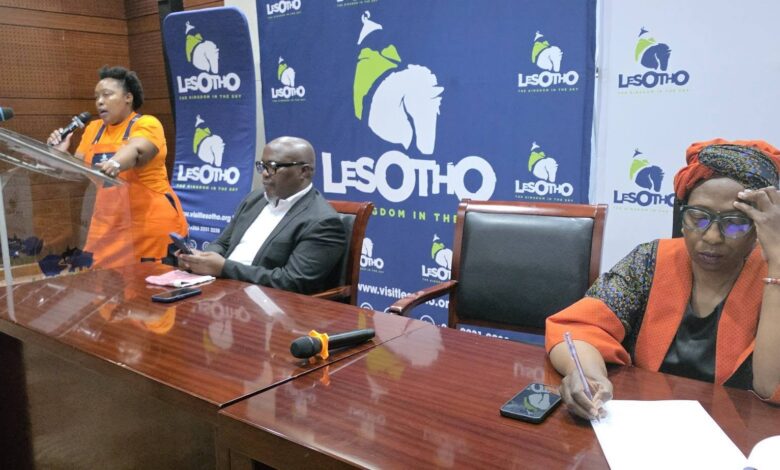
The expansion was announced in Maseru on Thursday as part of the corporation’s wider efforts to improve standards across the tourism industry. Qualstar is an LTDC initiative designed to promote quality services and help ensure that tourists receive reliable experiences when visiting Lesotho. The programme was introduced in 2014, initially focusing on star ratings for accommodation facilities. Over the years, it has continued to develop as the corporation seeks to address quality across more areas of the tourism sector. Its expansion in 2026 brings tour guides, tour operators and hiking guides into the quality assurance process.
Chairperson of the Lesotho Council for Tourism, Advocate Makhetha Mots’oari, said the programme would help establish clear standards for tourism services and build confidence among visitors. He explained that tourists consider several factors when choosing a destination, including value for money, the services they expect and the quality of information available to them. They want to know that the experiences advertised by tourism businesses will match what they receive when they arrive. Clear quality standards can help reduce uncertainty and make it easier for visitors to choose Lesotho for holidays, business trips and adventure activities. According to Adv. Mots’oari, Qualstar will provide a framework that helps tourists feel more confident about the services offered in the country.
Adv. Mots’oari stressed that quality tourism involves much more than attractive buildings and modern facilities. Cleanliness, effective communication and good customer service also influence how visitors judge their experiences. A tourist may enjoy comfortable accommodation but still leave with a negative impression if a guide provides inaccurate information or an operator fails to deliver an agreed service. Such experiences can affect how visitors view the wider destination, not just the individual business involved. He warned that poor service from one tourism provider could damage the image of Lesotho’s tourism industry as a whole.
He encouraged tourism businesses to view Qualstar as an opportunity to identify weaknesses and improve their operations rather than simply as a process of meeting formal requirements. Businesses need to understand the standards and apply them consistently in their daily activities. This approach can help service providers identify areas where they need better skills, stronger communication or improved customer care. Adv. Mots’oari said the success of the programme would depend on how well tourism businesses understood and implemented its requirements. Better service delivery could strengthen customer trust, encourage previous visitors to return and attract new tourists to Lesotho.
LTDC Product Investment and Development representative, Mrs Makoroloso Lekhesa, explained that the quality assurance programme began in 2014 with a focus on star ratings for accommodation facilities. She said the corporation had continued developing the initiative in response to the changing needs of the tourism industry. The latest expansion reflects the importance of other service providers in shaping visitors’ experiences. In 2026, the programme is being extended to tour guides, tour operators and hiking guides. The corporation is now working on suitable methods for assessing and rating these different categories of tourism businesses and professionals.
Mrs Lekhesa noted that visitors travel to Lesotho for different reasons, including adventure, work and events. These different interests create demand for a wide range of tourism services, making consistent quality standards important across the sector. Adventure tourists, for example, may depend on hiking guides for information, direction and support during outdoor activities. Tour operators also play an important role in organising travel experiences and helping visitors access destinations and activities. Tour guides contribute by sharing information about places, culture and attractions, making their knowledge and communication skills an important part of the visitor experience.
To support the expansion, LTDC plans to advertise a call for applications to recruit 20 trainers. These trainers will help tourism service providers understand the programme and learn how to meet its required standards. The planned process includes three weeks for applications, followed by shortlisting and selection. This will be followed by curriculum development, training of trainers and supervised practical training. The stages are intended to prepare trainers with the knowledge and practical skills needed to support the implementation of Qualstar across the tourism sector.
The training process is important because quality assurance requires more than introducing standards and expecting businesses to follow them. Tourism professionals need to understand what the standards mean and how to apply them in real working situations. Trainers will therefore have a role in helping service providers improve their knowledge, professional conduct and customer service. Practical training can also help ensure that the programme responds to the actual responsibilities of tour guides, tour operators and hiking guides. A structured approach will support more consistent implementation as the initiative expands.
The Ministry of Education and Training is also expected to play an important role in developing the programme. The ministry’s TVET Registration and Accreditation officer, Mr Steve Thabo, said accreditation and proper training would be essential to ensuring that Qualstar delivers the intended improvements. He explained that LTDC was working with the ministry to support the development of skills and training standards for people employed in tourism. This cooperation is intended to ensure that training follows recognised requirements and prepares participants for the demands of the industry. It also connects tourism quality assurance with wider efforts to strengthen vocational education and professional skills in Lesotho.
Mr Thabo said the training framework would be aligned with Southern African Development Community, African continental and international frameworks. This alignment is intended to support recognition of qualifications at local, regional and international levels. It could help establish a clearer understanding of the skills and competencies expected from tourism professionals. The development process will involve relevant stakeholders in preparing the curriculum and identifying qualified, accredited trainers. It will also require suitable training facilities and learning resources to ensure that participants receive appropriate instruction.
He added that training and accreditation would not mark the end of the quality assurance process. Monitoring, inspections and continuous professional development will be necessary to help service providers maintain the required standards. Tourism professionals may need to update their skills as visitor expectations, industry practices and service requirements change. Regular monitoring can help identify gaps and encourage businesses to address problems before they affect customers. LTDC will also verify that training and accreditation have been conducted properly, supporting confidence in the programme’s implementation.
The expansion of Qualstar comes at a time when tourism destinations must pay close attention to the full visitor experience. Travellers assess destinations through their interactions with accommodation providers, guides, transport and tour operators and other service businesses. A destination can have impressive landscapes and cultural attractions, but poor service can discourage visitors from returning or recommending it to others. Lesotho’s mountain scenery, outdoor activities and cultural experiences create opportunities for tourism businesses to attract different types of travellers. Maintaining reliable service standards across the sector can help the country make better use of these opportunities.
The inclusion of hiking guides is particularly relevant to Lesotho’s adventure tourism sector, where visitors may rely on professional guidance when exploring mountain routes and other outdoor attractions. Tour operators and guides also help visitors understand the country’s attractions and plan activities that suit their interests. Consistent standards can encourage greater professionalism and help tourists know what level of service to expect. For tourism businesses, the programme offers a structured way to review their performance and identify areas for improvement. These changes could strengthen the overall quality and reliability of tourism services available in the country.
The success of the expanded Qualstar programme will depend on cooperation between LTDC, the Ministry of Education and Training, tourism businesses and training professionals. Recruiting and preparing trainers will be an important early step, but the long-term impact will depend on how consistently providers apply the standards. Businesses will need to treat quality assurance as an ongoing responsibility rather than a once-off exercise. Continuous training, inspections and professional development can help maintain improvements over time. The programme’s broader value will come from turning recognised standards into better experiences for visitors.
By extending Qualstar to tour guides, tour operators and hiking guides, Lesotho is taking a wider approach to improving tourism quality. The initiative recognises that visitors judge a destination through every service they receive, from the information provided before a trip to the assistance they receive during an activity. Clear standards, accredited training and regular monitoring can help tourism professionals deliver more reliable services. Stronger customer experiences can build trust, encourage repeat visits and support the growth of the country’s tourism industry. The expansion therefore represents an important opportunity for Lesotho to strengthen its tourism services and improve its position as a destination for adventure, culture, business and leisure travel.
Join 'Lesotho News' WhatsApp Channel
Get breaking Lesotho news — delivered directly to your WhatsApp.
CLICK HERE TO JOIN