Lesotho and Germany Strengthen Water Cooperation Through Berlin Water Partnership Dialogue

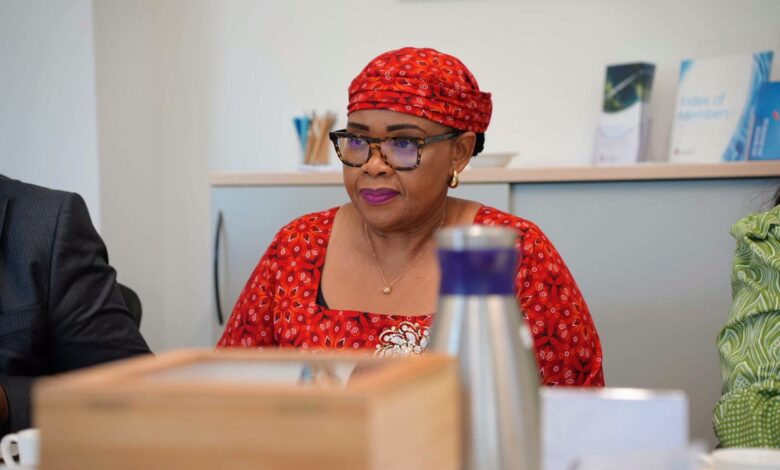
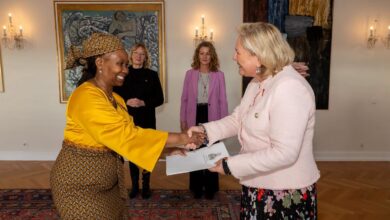
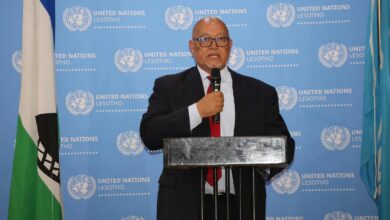
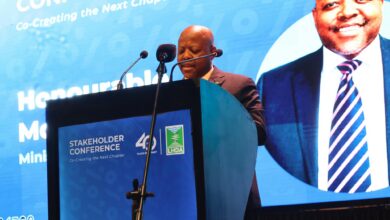
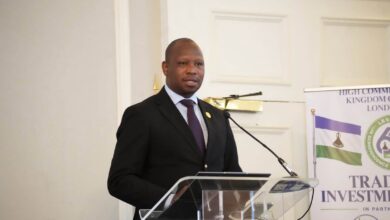
The Deputy Prime Minister, Justice Nthomeng Majara, and the Honourable Limpho Tau, Minister of Foreign Affairs and International Relations, are participating in the Lesotho–Germany Water Partnership Dialogue in Berlin, Germany. Held under the theme “Sustaining Our Water Resources, Unlocking Economic Values,” the dialogue provides an opportunity for both countries to explore practical approaches to water resource management, environmental sustainability and economic development. The engagement highlights the importance of international cooperation in addressing water-related challenges and identifying opportunities that benefit both nations. It also reflects the need to manage water resources responsibly while ensuring that they contribute to long-term social and economic progress. Through this dialogue, Lesotho and Germany have an opportunity to strengthen their partnership and discuss how shared knowledge, technical expertise and cooperation can support sustainable water management.
Water is one of Lesotho’s most important natural resources, playing a significant role in its environment, economy and regional relationships. The country’s mountainous terrain and rainfall patterns contribute to its water resources, which have strategic value for domestic consumption, agriculture, industry and regional water supply. However, effective water management requires careful planning, investment in infrastructure and measures to protect rivers, catchment areas and other important water sources. Climate variability, population needs and competing demands for water make sustainable management increasingly important. By engaging with Germany through the Lesotho–Germany Water Partnership Dialogue, Lesotho can explore approaches to protecting its water resources while improving their contribution to national development.
The theme “Sustaining Our Water Resources, Unlocking Economic Values” connects environmental protection with the practical economic benefits that responsible water management can deliver. Sustainable water resource management involves protecting the natural systems that maintain water availability while ensuring that communities and businesses can access sufficient, reliable and safe supplies. It also requires investment in infrastructure, effective policies and institutions that can manage water resources fairly and efficiently. When these elements work together, water can support agricultural production, industrial activity, energy development and employment opportunities. The dialogue therefore provides a platform to consider how water conservation and economic growth can reinforce each other rather than compete for attention.
Germany offers an opportunity for Lesotho to exchange knowledge and experience in areas relevant to water governance, infrastructure development and environmental protection. International partnerships can support technical cooperation, professional training, research and the sharing of practical approaches to managing water systems. Discussions between the two countries may also help identify areas where expertise and investment could contribute to stronger water institutions and improved infrastructure. Any future initiatives will depend on the priorities agreed by both governments, available resources and the arrangements established through their cooperation. Nevertheless, the dialogue creates space for both sides to examine shared interests and consider how their partnership can deliver lasting benefits.
For Lesotho, the economic value of water extends beyond its importance as a natural resource. Well-managed water systems can support farming communities, improve access to reliable supplies and create conditions for businesses to grow. Water infrastructure projects can also generate employment during construction and operation, while better resource management can reduce waste and improve the reliability of essential services. Protecting water sources is equally important because environmental damage can increase treatment costs, threaten ecosystems and undermine the long-term availability of water. By linking sustainability with economic opportunities, the dialogue encourages a development approach that considers both immediate needs and the interests of future generations.
Water cooperation also has an important regional dimension for Lesotho. The country’s water resources have strategic significance within Southern Africa, particularly through arrangements connected to the Lesotho Highlands Water Project, which transfers water to South Africa and supports hydropower generation in Lesotho. Such arrangements demonstrate how water infrastructure can contribute to economic activity and cooperation across national borders. They also highlight the importance of sound governance, environmental safeguards and equitable consideration of affected communities. While the Lesotho–Germany Water Partnership Dialogue focuses on cooperation between Lesotho and Germany, lessons from international water partnerships may help inform wider discussions about regional water security and sustainable development.
The participation of Deputy Prime Minister Justice Nthomeng Majara and Foreign Affairs and International Relations Minister Limpho Tau places the dialogue within Lesotho’s broader diplomatic and development engagement. High-level participation can help strengthen relationships, encourage policy discussions and identify areas where cooperation may support national priorities. Water management often requires coordination across government departments because it involves environmental protection, infrastructure, energy, agriculture, investment and international relations. Bringing these interests together is important for developing consistent policies and ensuring that water-related initiatives support wider development objectives. The Berlin meeting therefore represents an opportunity to advance dialogue on a resource that is central to Lesotho’s environmental security and economic future.
The success of international water partnerships ultimately depends on turning discussions into practical outcomes. For Lesotho, this means identifying clear priorities, strengthening institutional capacity and ensuring that future projects respond to the needs of communities and the economy. Effective implementation also requires transparent decision-making, responsible use of financial resources and appropriate monitoring of environmental and social impacts. Cooperation with Germany could provide opportunities to explore technical solutions and share experience, although specific commitments and project outcomes should be assessed through official announcements and agreed implementation plans. A sustained partnership would require continued engagement beyond the dialogue itself, with both countries working towards realistic goals and measurable progress.
The Lesotho–Germany Water Partnership Dialogue in Berlin highlights the growing importance of connecting water sustainability with economic opportunity. Under the theme “Sustaining Our Water Resources, Unlocking Economic Values,” the engagement provides a platform for the two countries to discuss responsible resource management, technical cooperation and potential areas of mutual benefit. The participation of Deputy Prime Minister Justice Nthomeng Majara and Minister Limpho Tau underscores the significance of water cooperation within Lesotho’s international relations and development priorities. By focusing on the protection, management and productive use of water resources, Lesotho and Germany can explore ways to support environmental resilience and inclusive economic growth. The lasting value of the dialogue will depend on how effectively shared ideas are translated into practical action that protects water resources, strengthens communities and creates opportunities for future generations.
Join 'Lesotho News' WhatsApp Channel
Get breaking Lesotho news — delivered directly to your WhatsApp.
CLICK HERE TO JOIN