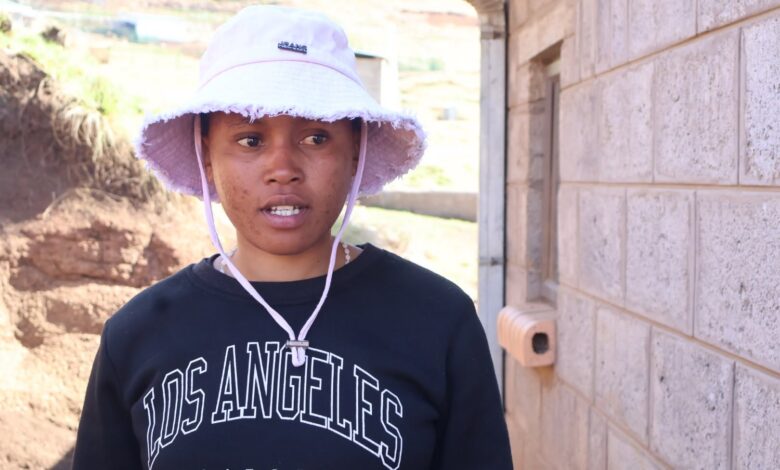
Access to accurate family planning information can make a significant difference in the health and wellbeing of young people, especially in communities where myths and misconceptions remain common. In Leribe District, Peer Educator Ma-Nvula Hlojeng is helping young people make more informed decisions about their sexual and reproductive health. Working at ‘Mamohau, Hlojeng uses everyday conversations to address misinformation and encourage her peers to seek reliable information about contraception. Her work focuses on creating an environment where young people can ask questions, understand their options and make decisions based on accurate knowledge rather than fear or misinformation. Through her efforts, she is contributing to stronger awareness of family planning and helping communities move towards healthier futures.
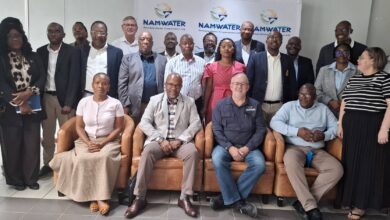
Hlojeng’s confidence and knowledge grew after she participated in family planning training supported by the United Nations Population Fund, known as UNFPA, the United Nations sexual and reproductive health agency. The training brought together peer educators, community health workers and community-based distributors who play important roles in connecting communities with health information and services. Participants received updated knowledge as well as practical skills that could help them respond to questions and concerns within their communities. For Hlojeng, the training provided information that she could immediately apply when engaging with young people. It also strengthened her ability to explain family planning methods and address misconceptions that can prevent people from accessing appropriate services.
One of the key lessons Hlojeng gained from the training was the value of long-acting family planning methods for people living in hard-to-reach communities. People in remote areas can face additional challenges when accessing health services, particularly when regular travel to health facilities is required. Hlojeng explained that promoting long-acting methods can reduce the need for frequent journeys while helping people maintain continuous access to contraception. This understanding has become an important part of her conversations with the communities she serves. By explaining available options in clear and practical terms, she can help individuals consider methods that may better suit their circumstances and access to health services.
Hlojeng’s role goes beyond simply sharing information about contraception because she also works to challenge beliefs that can discourage people from seeking family planning services. Myths and misconceptions can create confusion and fear, particularly when people receive inaccurate information from friends, family members or other sources. Peer educators can play an important role because they often interact with people in familiar community settings and can create opportunities for open conversations. Hlojeng uses these interactions to provide accurate information and encourage young people to ask questions about their reproductive health. Her approach shows how trusted community-based educators can help close information gaps and support people in making decisions based on facts.
The training also demonstrates the importance of investing in the people who work directly with communities. Peer educators, community health workers and community-based distributors often serve as a connection between health programmes and people who may otherwise struggle to access information or services. Providing these workers with current knowledge and practical skills can strengthen the quality of information available at community level. It can also improve their ability to respond to changing needs and address questions with greater confidence. Hlojeng’s experience shows how targeted training can strengthen community-based health education and give local educators the tools they need to support their peers.
For young people in remote communities, access to reliable sexual and reproductive health information can have long-term benefits. Understanding family planning options allows individuals to make decisions that take their health, personal circumstances and future plans into account. Accurate information can also help reduce uncertainty around contraception and encourage people to seek professional guidance when they need it. Hlojeng’s work creates opportunities for these conversations to happen closer to the communities where people live. This is particularly valuable for individuals who may face distance, transport or other barriers when trying to access health information and services.
The focus on long-acting family planning methods also highlights the need for communities to understand that different contraceptive options exist. People have different needs and circumstances, so access to balanced information can help them discuss suitable choices with qualified health professionals. Community educators like Hlojeng can support this process by explaining available information and correcting common misconceptions without replacing professional medical advice. Her work helps create awareness while encouraging people to make informed choices about their sexual and reproductive health. This combination of education, community engagement and access to appropriate services can contribute to healthier individuals and communities.
Ma-Nvula Hlojeng’s work in Leribe District shows how one trained peer educator can contribute to meaningful change through consistent conversations and accurate information. Her experience demonstrates the value of equipping community-based workers with updated knowledge so they can confidently respond to questions and challenge harmful myths. By reaching people in hard-to-reach communities, she is helping make family planning information more accessible to those who may face barriers to regular health services. Her efforts also reinforce the importance of creating spaces where young people can discuss sexual and reproductive health without relying on misinformation. Through education and community engagement, Hlojeng is helping young people make informed choices that can support healthier lives and stronger futures.
Join 'Lesotho News' WhatsApp Channel
Get breaking Lesotho news — delivered directly to your WhatsApp.
CLICK HERE TO JOIN