Motho ke Motho Exhibition Celebrates Lesotho’s Arts, Heritage and Creative Economy

The Maseru Tourist Information and Crafts Centre, in collaboration with Morgan Rosso, hosted a two-day Motho ke Motho Public Exhibition and Cultural Programme on Friday, 28 August. The event brought together art, traditional performances, cultural products and community engagement in an atmosphere designed to celebrate Lesotho’s rich heritage. It provided local artists, artisans and entrepreneurs with an opportunity to showcase their work while connecting with members of the public. The programme also created space for people to experience Basotho culture through music, dance, visual art, literature and handcrafted products. By bringing different forms of creative expression together, the event demonstrated how cultural programmes can contribute to both social connection and the preservation of national heritage.
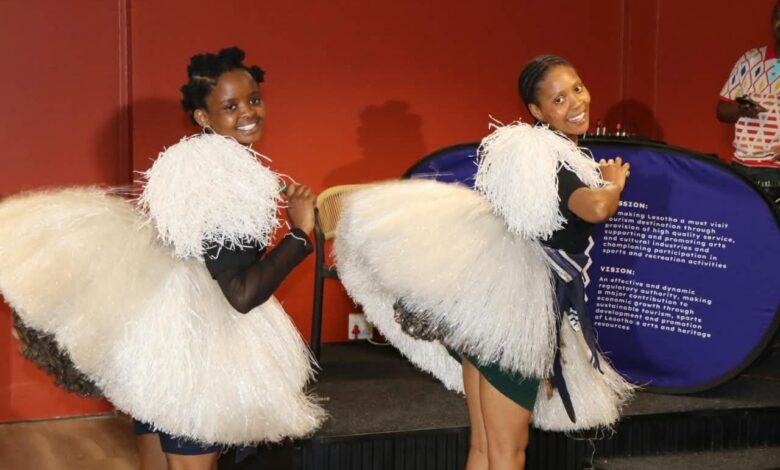
The evening programme offered attendees a relaxed and culturally enriching experience centred on arts, heritage and community participation. Live cultural performances formed an important part of the programme, with traditional dance and music highlighting the diversity of Lesotho’s artistic expressions. These performances provided audiences with an opportunity to experience cultural traditions in a public setting while giving performers a platform to share their skills. Traditional music and dance also play an important role in preserving knowledge and cultural practices that are passed between generations. The inclusion of these performances helped create an engaging programme that connected entertainment with cultural education and appreciation.
An art exhibition was also mounted as part of the programme, creating a platform for local artists to display their creative work. Exhibitions of this nature give artists an opportunity to reach new audiences while encouraging conversations around artistic ideas, identity and society. For visitors, the exhibition offered an opportunity to engage directly with local creative work and gain a deeper appreciation of the talent within Lesotho’s arts community. Providing spaces where artists can present their work is also important for strengthening the visibility of the local creative sector. The exhibition therefore contributed to the broader objective of encouraging creative dialogue while supporting the development of a stronger arts ecosystem.
The display stalls added another important dimension to the event by featuring handcrafted goods, literature and other cultural products. These stalls gave local artisans and entrepreneurs an opportunity to present their products directly to the public and potentially connect with new customers. Handmade products often carry cultural meaning because they can reflect traditional skills, materials, designs and stories associated with local communities. Creating opportunities to market these products can help artisans generate income while encouraging the continued practice of traditional crafts. The inclusion of literature and other cultural products also broadened the programme beyond visual art and performances, showing the range of creative work contributing to Lesotho’s cultural economy.
The atmosphere at the event was enhanced by soft instrumental music, creating a welcoming environment for guests throughout the evening. The relaxed setting allowed attendees to move between different elements of the programme while engaging with artists, performers, exhibitors and fellow members of the community. Cultural events can create valuable spaces for people from different backgrounds and interests to meet and interact around shared experiences. This kind of engagement can strengthen relationships within communities while encouraging greater appreciation for cultural diversity. The programme’s combination of music, art, crafts and social interaction helped make the exhibition a broader community experience rather than simply a display of creative work.
The evening concluded with a dinner service provided by Nalane Cafe, adding a culinary element to the cultural experience. Food can form an important part of cultural programmes because it provides another way for people to connect with heritage and local enterprise. Including a local food service also created an opportunity for a business to participate in and benefit from the event. Cultural programmes can have wider economic effects when artists, artisans, performers, food providers and other small businesses are involved. The dinner therefore complemented the evening’s creative activities while contributing to the event’s community-focused character.
The Motho ke Motho programme demonstrated the important connection between cultural preservation and economic development. Artists and artisans need platforms where they can present their work, build audiences and access opportunities to generate income. Public exhibitions and cultural programmes can help create those platforms while giving communities opportunities to engage with local creative industries. Supporting artists economically can also encourage them to continue developing their skills and producing work that contributes to Lesotho’s cultural identity. The event therefore showed that investment in culture can provide both social and economic value when creative practitioners are given opportunities to participate meaningfully.
The programme also reflected the wider mandate of the Ministry of Tourism, Sports, Arts and Culture to promote Lesotho’s cultural heritage and creative sectors. Cultural tourism can benefit from programmes that showcase authentic local art, traditions, crafts, music and other forms of cultural expression. Events such as Motho ke Motho can help make cultural experiences more accessible to residents and visitors while creating opportunities for local businesses. They can also encourage people to take greater interest in the preservation of cultural practices and the work of local artists. Strengthening these connections can contribute to a tourism sector that offers visitors more opportunities to experience the cultural identity of Lesotho.
The successful programme also highlighted the role of creativity in fostering social cohesion. Bringing people together around shared cultural experiences can create opportunities for dialogue, interaction and mutual appreciation. Art and culture can provide common spaces where people can express ideas, celebrate traditions and learn about different forms of creative expression. These experiences can strengthen community relationships while reinforcing a sense of connection to local heritage. The Motho ke Motho exhibition therefore demonstrated that cultural programmes can serve a wider social purpose while also supporting artists and entrepreneurs.
The two-day Motho ke Motho Public Exhibition and Cultural Programme provided a meaningful platform for celebrating Lesotho’s creative talent and cultural heritage. Through traditional dance, music, visual art, handcrafted products, literature and local food, the programme brought together several important parts of the country’s cultural economy. The collaboration between the Maseru Tourist Information and Crafts Centre and Morgan Rosso created opportunities for artists, artisans and entrepreneurs to connect with the public and showcase their work. The event also demonstrated how cultural activities can contribute to social cohesion, heritage preservation and economic opportunities for creative practitioners. As Lesotho continues to promote its tourism, arts and cultural sectors, programmes such as Motho ke Motho can play an important role in ensuring that creativity and heritage remain visible, valued and economically meaningful.
Join 'Lesotho News' WhatsApp Channel
Get breaking Lesotho news — delivered directly to your WhatsApp.
CLICK HERE TO JOIN