Lesotho Moves to Address Forensic Mental Health Crisis Amid Overcrowding and Resource Shortages

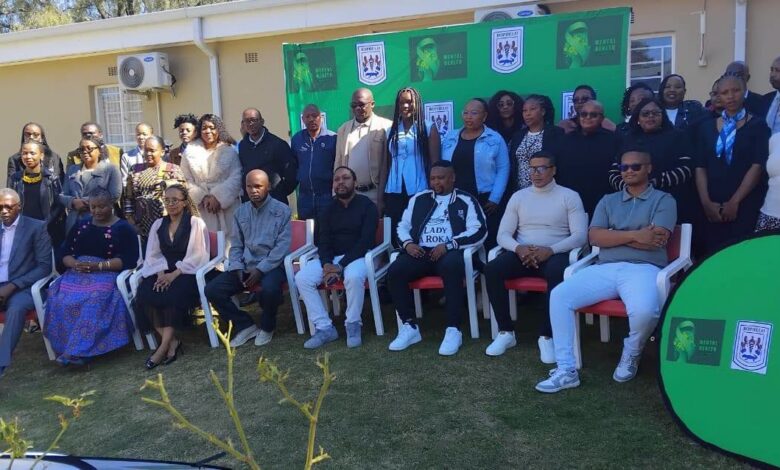
Lesotho’s Ministry of Health is taking steps to address serious challenges facing the country’s forensic mental health system, with overcrowding, limited resources and outdated legislation emerging as major concerns. Through its Department of Mental Health, the ministry recently convened a meeting with relevant stakeholders to examine the systemic failures affecting forensic mental health services and identify possible solutions. The discussions brought together representatives from healthcare, the judiciary and correctional services, highlighting the need for institutions to work together on a problem that crosses several areas of government responsibility. The meeting also focused on overcrowding at psychiatric facilities and the limitations created by a legal framework that has not kept pace with modern mental health practice. Stakeholders agreed that the situation requires urgent attention to protect the rights, safety and dignity of people receiving forensic mental health care.
Acting Director of Mental Health at the Ministry of Health, Dr Thabo Mokhothu, described the pressure facing the mental health system, particularly forensic services, as unprecedented. He referred to findings contained in the Ombudsman reports, noting that the reality of the challenges has been documented on more than one occasion. Dr Mokhothu said the National Psychiatric Unit is overcrowded with forensic patients whose care continues to be governed by outdated legal frameworks. He pointed out that Lesotho’s mental health system is still operating under the Mental Health Law of 1963, despite significant changes in the understanding and treatment of mental illness over the decades. The continued reliance on legislation from that period has raised concerns about whether the country’s legal and institutional systems are adequately equipped to address present-day forensic mental health needs.
The shortage of specialist mental health professionals has added another layer to the crisis. Dr Mokhothu explained that the absence of a psychiatrist for more than 10 years affected the functionality of the advisory committee responsible for supporting forensic mental health processes. Specialist psychiatric expertise is essential when courts and health institutions must assess the mental state of individuals involved in criminal proceedings. Without sufficient specialist capacity, assessments and reports can face delays, placing additional pressure on already crowded facilities. The shortage also affects the ability of the health system to provide timely clinical care and professional guidance on complex forensic cases. Strengthening human resources will therefore need to form part of any comprehensive response to the challenges facing forensic mental health services in Lesotho.
Dr Mokhothu described the stakeholder meeting as a call to action and stressed the need for closer cooperation between the judiciary and health sector. He said the two systems must work collaboratively to redefine processes, develop a shared understanding of forensic clients and ensure that justice and healthcare are delivered with dignity and fairness. Forensic mental health cases often sit at the intersection of criminal justice and medical care, making coordination between institutions essential. Delays or misunderstandings between the two systems can have direct consequences for patients, courts, correctional facilities and healthcare workers. A more coordinated process could help ensure that people receive appropriate assessments and treatment while courts are able to make decisions based on timely and reliable information.
The large number of stakeholders attending the meeting was described as an indication of the seriousness of the problem. Dr Mokhothu said collaboration provides an opportunity to bridge gaps between law and medicine, modernise existing frameworks and protect some of the most vulnerable members of society. Reform will require more than changes within hospitals because the challenges involve legislation, court procedures, correctional services, staffing and infrastructure. Bringing these institutions together can help identify where responsibilities overlap and where gaps currently leave patients without adequate support. A coordinated approach can also help develop solutions that balance public safety with the rights and medical needs of people experiencing mental health conditions.
Assistant Registrar at the High Court, Advocate Tebello Mokhoema, highlighted another factor contributing to the increasing number of forensic patients in psychiatric facilities. She explained that improved staffing levels at the courts have enabled them to attend to more cases, resulting in more forensic patients being admitted for assessment and treatment. According to Mokhoema, many of these patients are committed under temporary insanity provisions, with a 14 to 21-day period used to determine their state of mind. The increased ability of courts to process cases can therefore have an impact on demand for forensic mental health services. Without corresponding increases in psychiatric capacity and infrastructure, progress within the justice system can place additional pressure on an already overstretched health system.
Mokhoema also pointed to the institutional complexity surrounding forensic mental health services. She explained that courts have limited ability to resolve some of the problems because responsibility for healthcare and related infrastructure falls under the Ministry of Health, while the courts operate under a different ministry. This separation can make it difficult to coordinate budgets and secure the infrastructure required to reduce overcrowding and improve patient care. The situation illustrates why forensic mental health cannot be addressed effectively by one institution working alone. Joint planning and budgeting could help government address infrastructure shortages while ensuring that each patient receives appropriate medical attention during the relevant stages of the legal process.
The scale of the problem is particularly evident at Mohlomi Hospital, where the forensic mental health unit is facing severe overcrowding. Medical Superintendent Dr Hlophekile Tsíta said the facility was designed to accommodate 36 patients but currently houses 86. The number of patients has created extreme congestion in living and dining areas, placing significant pressure on both patients and staff. Such overcrowding can make it difficult for healthcare workers to provide individualised attention and can undermine safe and dignified living conditions. The situation demonstrates the gap between the country’s existing forensic mental health infrastructure and the number of patients who require specialised care.
Dr Tsíta warned that the imbalance between patient numbers and available resources has several consequences for healthcare delivery. Overcrowding reduces staff-to-patient ratios, affects the quality of care and increases the risk of violence and infections, including lice infections. When facilities operate significantly above their intended capacity, staff must manage more patients with limited space and resources. This can make it harder to monitor patients, respond to individual needs and maintain appropriate hygiene standards. Addressing overcrowding therefore requires additional beds and facilities as well as sufficient healthcare professionals, equipment and other resources to ensure that increased capacity translates into better care.
Prolonged hospitalisation presents another serious concern for people held in forensic mental health facilities. Dr Tsíta explained that extended stays can contribute to institutionalisation and clinical deterioration, potentially worsening existing mental health conditions or contributing to new difficulties. Patients who remain in institutions for long periods because of delays in legal or medical processes may face consequences that extend beyond the original reason for their admission. This creates a situation in which delays within the wider system can affect both mental health outcomes and quality of life. Dr Tsíta stressed that current conditions raise concerns about human dignity and called for urgent attention to the intersection between healthcare, justice and public safety.
The crisis also affects Lesotho Correctional Services, which has responsibilities for maintaining security when mentally disturbed inmates are housed within correctional settings. Senior Assistant Commissioner LCS Phoka Scout said managing mentally disturbed inmates can expose staff and other inmates to significant risks, including physical attacks within forensic units. Correctional officers may have to manage difficult situations involving individuals whose needs are primarily medical while operating in environments designed around security and custody. The presence of patients with complex mental health needs can therefore create additional pressures for correctional institutions that do not have the mandate or resources to provide specialised psychiatric care. This reinforces the need for a system that places patients in appropriate healthcare environments while providing adequate security where required.
Phoka Scout also identified administrative challenges affecting the correctional services response. Slow court proceedings and delays in receiving psychiatric reports from an understaffed Ministry of Health can prolong the period that mentally disturbed inmates remain within correctional or forensic settings. These delays can contribute to overcrowding and make it harder for institutions to determine the appropriate next step for individual cases. He said there is a need for expanded capacity or new facilities because forensic units are already experiencing alarming levels of overcrowding. Increasing infrastructure would need to be accompanied by stronger coordination between courts, health services and correctional institutions so that additional capacity does not simply become another temporary response to an underlying systemic problem.
At the same time, Phoka Scout emphasised that the role of correctional services under the existing legal framework is strictly limited. Correctional services are primarily responsible for security and cannot be expected to provide medical treatment or manage the daily healthcare needs of forensic mental health patients. This distinction is important because it highlights the limitations of placing people with significant psychiatric needs in environments that are not designed to provide comprehensive mental healthcare. Clearer procedures could help ensure that patients are transferred or managed by the appropriate institution at the right stage of their cases. Stronger cooperation between health, justice and correctional authorities could also reduce the risks faced by staff, patients and other inmates.
The concerns raised during the meeting point to a need for comprehensive reform rather than isolated interventions. Updating the Mental Health Law of 1963 would provide an important foundation for modernising the legal framework governing forensic mental health in Lesotho. However, legislative reform alone will not solve overcrowding, specialist shortages, infrastructure constraints or delays in psychiatric assessments. The government will also need to consider investment in psychiatric facilities, recruitment and retention of mental health professionals and improved coordination between courts and healthcare institutions. Developing clear procedures for forensic assessments and patient management could help reduce delays and ensure that responsibilities are understood across the different institutions involved.
The meeting demonstrated that Lesotho’s forensic mental health crisis has implications for healthcare, human rights, justice and public safety. The overcrowding reported at Mohlomi Hospital, the shortage of psychiatric specialists and the continued use of an outdated legal framework are interconnected problems that require a coordinated response. Stakeholders from the Ministry of Health, judiciary and correctional services have recognised the need to close gaps that currently affect patients and institutions. Meaningful progress will depend on political commitment, adequate resources, modern legislation and stronger cooperation across government departments. Protecting people with mental health conditions requires systems that recognise both their medical needs and their legal rights.
Lesotho’s forensic mental health system now faces a clear need for urgent and sustained action. The concerns raised by Dr Thabo Mokhothu, Advocate Tebello Mokhoema, Dr Hlophekile Tsíta and Senior Assistant Commissioner Phoka Scout show how overcrowding, staffing shortages, administrative delays and outdated legislation are placing pressure on the entire system. Addressing these challenges can improve patient care while also supporting the courts, healthcare workers and correctional officers who manage complex cases. A modern forensic mental health framework should provide timely psychiatric assessments, appropriate treatment, adequate facilities and clear legal protections for vulnerable patients. By bringing health, justice and correctional institutions together to reform the system, Lesotho has an opportunity to create a forensic mental health service that protects human dignity, supports public safety and delivers fair and appropriate care.
Join 'Lesotho News' WhatsApp Channel
Get breaking Lesotho news — delivered directly to your WhatsApp.
CLICK HERE TO JOIN