Lesotho Plans Youth Channel on National Television to Amplify Young Voices and Ideas

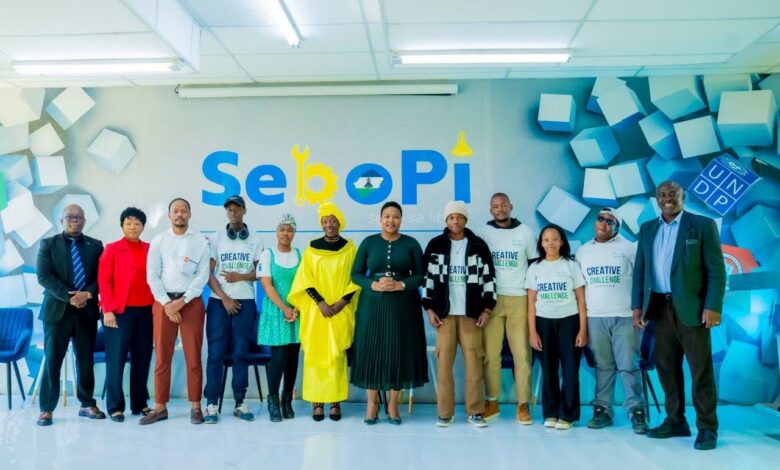
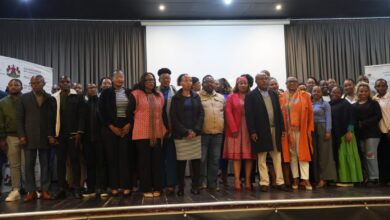
Lesotho is moving towards creating a dedicated youth channel on Lesotho National Television as part of efforts to give young people a stronger platform to discuss their experiences, challenges and ideas. Minister of Information, Communications, Science, Technology and Innovation Nthati Moorosi said plans are underway to establish the channel, which would provide young Basotho with an opportunity to communicate issues that affect their daily lives. The proposed initiative comes as Government places greater emphasis on youth participation, creativity and open communication as tools for addressing social and economic challenges. A dedicated youth platform could also create opportunities for young people to share practical solutions and engage directly with issues affecting their communities. The announcement was made during the UniPod Creative Challenge 2026 Agenda in Maseru, where youth creativity and innovation were placed at the centre of discussions.
Minister Moorosi highlighted the importance of creating spaces where young people can speak openly about the challenges they face and contribute ideas towards solving them. Young people make up an important part of Lesotho’s population, making their participation essential in discussions about the country’s future. A youth-focused television platform could allow young people to raise concerns that may not always receive sufficient attention through traditional media programming. It could also provide a space for discussions involving education, employment, entrepreneurship, technology, culture, entertainment and community development. By giving young people a direct platform, the initiative could help strengthen communication between youth communities, Government institutions and wider society.
The proposed youth channel is also expected to support conversations around serious social challenges affecting young people in Lesotho. Among the issues highlighted by Minister Moorosi were Gender-Based Violence, substance abuse and mental health. These challenges require open discussion because young people need access to accurate information, supportive environments and opportunities to discuss possible solutions. Television programming can contribute to public awareness by presenting educational discussions, personal experiences, expert perspectives and information about available support services. A dedicated youth channel could therefore become an important communication tool for encouraging informed conversations around issues that can have lasting consequences for individuals, families and communities.
Gender-Based Violence remains an issue that requires sustained public attention and meaningful community engagement. Creating opportunities for young people to discuss gender relations, respect, consent, equality and violence could help strengthen awareness and encourage healthier social attitudes. Youth-focused programming could also provide a platform for organisations, educators and specialists to explain the causes and consequences of Gender-Based Violence. Young people could use the channel to share their perspectives and discuss ways communities can prevent violence and support survivors. Giving these conversations a consistent place within national broadcasting could help ensure that important messages reach audiences in a format that young people can understand and engage with.
Substance abuse was another challenge highlighted during the event, reflecting the need for stronger conversations around the pressures and circumstances that can influence young people’s choices. Young people may encounter social, economic and emotional pressures that affect their wellbeing and decision-making. A youth channel could provide educational content that explains the risks associated with substance abuse while also giving young people opportunities to discuss prevention and recovery. Such programming could include conversations with professionals, community leaders, young people and organisations working on prevention initiatives. Open communication can help reduce stigma and encourage young people to seek appropriate support when they are facing difficulties.
Mental health also requires greater visibility in youth discussions, particularly as young people navigate pressures linked to education, employment, relationships, financial uncertainty and social expectations. A dedicated platform could help normalise conversations about emotional wellbeing and encourage young people to seek help when necessary. Youth-focused programmes could feature discussions with qualified professionals while allowing young people to share experiences and ask questions. Responsible programming would be important to ensure that sensitive issues are handled accurately and respectfully. By making mental health part of mainstream youth conversations, Lesotho could help create greater awareness and reduce some of the stigma that prevents people from discussing emotional and psychological challenges.
Creativity was another major focus of the UniPod Creative Challenge 2026 Agenda, demonstrating the potential of young people to contribute innovative ideas to national development. Creative programmes can provide opportunities for young people to express themselves while also developing practical skills that can support future careers. The creative sector can include areas such as music, film, television, design, digital content, technology and other forms of artistic expression. A youth channel could provide an outlet for showcasing this talent and connecting emerging creatives with wider audiences. This could also encourage young people to view creative work as a legitimate avenue for entrepreneurship, employment and economic participation.
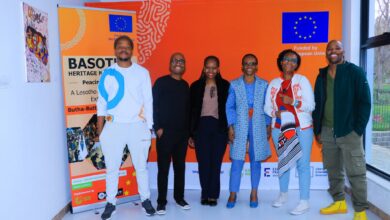
The UniPod Creative Challenge 2026 also recognised young people who demonstrated outstanding creative ability. Retšepile Ramakatsa took first position in the competition, while Mannuku Qhobosheane secured second place and Lekhetho Khama finished in third position. Their achievements highlight the level of talent among young Basotho and demonstrate the value of programmes that give young people opportunities to develop and showcase their abilities. Competitions such as the Creative Challenge can help identify emerging talent while encouraging participants to experiment, innovate and build confidence. Recognition through national platforms can also motivate other young people to pursue their creative interests and participate in similar initiatives.
The proposed youth channel could provide an additional platform for talented young people like those recognised at the UniPod Creative Challenge. Instead of limiting youth participation to occasional events, a dedicated television platform could provide more consistent opportunities for young creatives to reach audiences. Programming could potentially feature emerging musicians, filmmakers, designers, innovators, entrepreneurs and other young professionals. It could also highlight youth-led community projects and solutions to local challenges. Such content would not only entertain audiences but could also demonstrate the practical contributions young people are already making to Lesotho’s development.
The initiative also reflects the importance of open communication between young people and institutions responsible for public policy. Young people often have direct experience of social challenges and may have perspectives that differ from those of policymakers or older generations. Giving them a structured platform to communicate these experiences can improve public understanding of youth concerns. It can also create opportunities for Government and other stakeholders to hear proposed solutions directly from the people affected by specific issues. If managed effectively, the youth channel could become a space where discussion leads to greater awareness, collaboration and practical action.
For the proposed platform to succeed, its programming will need to reflect the diversity of young people and the different challenges they experience across Lesotho. Content should provide opportunities for constructive debate while maintaining appropriate standards for accuracy, fairness and responsible broadcasting. Young people should also have meaningful involvement in developing the programmes so that the channel reflects their interests and communication styles. Opportunities for training could further help young participants develop skills in presenting, journalism, production, digital media and storytelling. This would allow the initiative to become not only a broadcasting platform but also a potential training ground for future media and creative professionals.
The announcement by Minister Nthati Moorosi represents an important step towards expanding opportunities for young Basotho to participate in national conversations. A dedicated youth channel on Lesotho National Television could give young people a consistent space to share challenges, present ideas and discuss solutions while showcasing the country’s creative talent. Its potential impact could extend to important areas such as Gender-Based Violence prevention, substance abuse awareness, mental health education, innovation and youth entrepreneurship. The recognition of Retšepile Ramakatsa, Mannuku Qhobosheane and Lekhetho Khama at the UniPod Creative Challenge further demonstrates why platforms for young talent matter. If the planned channel combines meaningful youth participation with responsible and engaging programming, it could become a valuable part of Lesotho’s media landscape and help ensure that young people’s voices play a stronger role in shaping the country’s future.
Join 'Lesotho News' WhatsApp Channel
Get breaking Lesotho news — delivered directly to your WhatsApp.
CLICK HERE TO JOIN