Lesotho Hosts Africa State-Owned Enterprises Corporate Governance Summit to Drive SOE Transformation

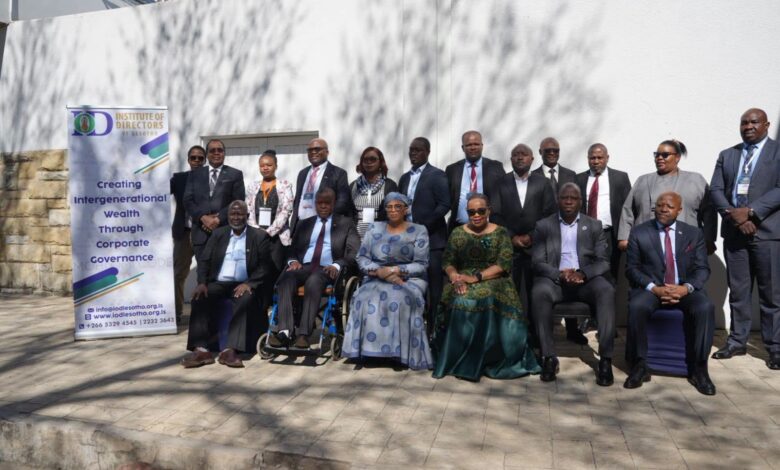
Lesotho is hosting the Africa State-Owned Enterprises (SOE) Corporate Governance Summit from 24 to 26 August 2026 at the Avani Maseru Hotel, bringing together influential leaders from across Africa to discuss the future of public enterprises. Held under the theme, “Corporate Governance as a Tool for Transforming African SOEs into Global Competitors,” the three-day summit focuses on strengthening governance, accountability, efficiency and institutional performance. The event brings together Cabinet Ministers, senior Government officials, SOE executives, policymakers, governance specialists and industry leaders from several African countries. Their discussions centre on how State-Owned Enterprises can become more sustainable, professionally managed and competitive while continuing to fulfil their public mandates. The summit also gives participating countries an opportunity to share practical experiences and identify governance reforms that can support long-term economic development across the continent.
The summit has attracted experts and industry leaders from Lesotho, Zambia, Zimbabwe, Seychelles, Mauritius, Tanzania, Malawi, Eswatini, Namibia and Kenya. This broad participation creates an important platform for countries to compare their approaches to SOE governance and learn from reforms implemented in different economic and institutional environments. State-Owned Enterprises play an important role in many African economies because they provide essential services, manage strategic assets and support national development priorities. However, weak accountability, political interference, unclear mandates and ineffective oversight can limit their ability to deliver efficiently and sustainably. By bringing decision-makers and governance experts together, the summit seeks to identify practical solutions that can improve the performance and competitiveness of public enterprises.
The strong representation of the Lesotho Government at the summit demonstrates the importance placed on strengthening the governance and performance of public enterprises as part of the country’s broader socio-economic transformation agenda. The discussions recognise that effective SOEs require more than administrative compliance and formal governance structures. They also need clear mandates, competent leadership, measurable performance targets and strong systems of accountability. Government, as the shareholder, must be able to monitor performance and protect public resources while allowing enterprises to operate with appropriate professional independence. This balance between effective shareholder oversight and operational independence is central to creating institutions that can respond to national priorities while maintaining strong commercial and organisational performance.
The first day of the summit is being held under the theme, “Architecting the Sovereign Mandate: Align Policy, Ethics, and Capital to Build Sustainable State Enterprises.” The theme highlights the need to bring policy objectives, ethical leadership and financial resources together in a coordinated approach to SOE management. It also reflects the importance of ensuring that public enterprises understand their mandates and have the capacity to deliver against clearly defined objectives. Sustainable SOEs need governance systems that support sound decision-making while ensuring that public resources are used responsibly. The discussions therefore place governance at the centre of efforts to build stronger institutions capable of contributing meaningfully to national and continental economic development.
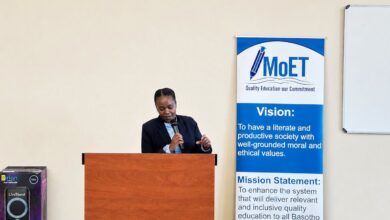
Officially opening the summit, Deputy Prime Minister of the Kingdom of Lesotho, Justice Nthomeng Majara, said the country’s SOE transformation agenda rests on four key pillars aimed at strengthening governance and performance. The first pillar focuses on improving the corporate governance regime by strengthening governance systems and accountability within State-Owned Enterprises. This approach seeks to ensure that SOEs have effective structures for decision-making, oversight and responsibility. Strong governance can also help institutions identify risks, improve transparency and ensure that executives and boards remain accountable for organisational outcomes. For Lesotho, strengthening this foundation is seen as an important step towards improving the credibility, efficiency and sustainability of public enterprises.
The second pillar focuses on professionalising the State as a shareholder by strengthening discipline in the management and oversight of public enterprises. This means Government must have clear systems for exercising its ownership responsibilities without becoming involved in the daily management of individual enterprises. A professional shareholder approach can help establish consistent expectations around strategy, performance, reporting and accountability. It can also make it easier to evaluate whether SOEs are meeting the objectives for which they were established. By strengthening the State’s role as an informed and disciplined shareholder, Lesotho aims to improve oversight while giving professional managers the space to execute approved strategies.
The third pillar involves depoliticising SOE boards while promoting operational excellence. Justice Majara emphasised the need for boards to be constituted and operated in a way that prioritises competence, professionalism and effective delivery of institutional mandates. Capable boards play an important role in providing strategic direction, monitoring management and protecting the long-term interests of public enterprises. Board appointments based on skills, experience and ethical leadership can strengthen decision-making and reduce governance risks. Operational excellence also requires SOEs to establish effective systems, improve productivity and focus consistently on the outcomes expected from their mandates.
The fourth pillar focuses on institutionalising the social mandate and intergenerational value of State-Owned Enterprises. This principle recognises that SOEs must contribute to current national development priorities while also creating sustainable value for future generations. Public enterprises often have responsibilities that extend beyond financial returns because they can provide infrastructure, essential services and other resources that support economic and social development. Their long-term sustainability therefore matters to citizens as well as Government. Embedding social and intergenerational value into SOE governance can help institutions balance immediate priorities with responsible planning for future economic needs.
Justice Majara said these four pillars are critical to moving beyond administrative compliance towards outcome-based governance. This approach places institutional integrity, accountability and measurable performance at the centre of public enterprise management. Compliance remains important, but simply following procedures does not guarantee that an SOE will deliver quality services or achieve its strategic objectives. Outcome-based governance instead asks whether institutions are producing measurable results and creating value for the public. This shift could help African countries strengthen SOEs by connecting governance systems directly to performance, service delivery and sustainable development.
The Deputy Prime Minister also called for practical lessons and best practices from other African countries and international markets. She highlighted Rwanda, Ethiopia, Kenya and Zambia as African examples, while also pointing to Singapore, Norway, South Korea and Germany as countries whose governance and management approaches offer useful lessons. These examples can help participants examine how different jurisdictions structure ownership, oversight, board governance and professional management. An important principle emerging from these comparisons is the need to separate the State’s role as owner from the day-to-day management of key enterprises. Such separation can strengthen professional decision-making while allowing Government to maintain effective shareholder oversight.
Her keynote address, titled “Corporate Governance as a Tool for Transforming African SOEs into Global Competitors,” also highlighted the importance of anti-corruption measures, regulatory reforms and values-driven accountability. These areas are critical to protecting public resources and strengthening trust in State-Owned Enterprises. Strong anti-corruption systems can help reduce financial losses and prevent the misuse of public assets, while effective regulation can provide clearer operating standards and accountability mechanisms. Values-driven leadership also encourages executives, board members and officials to place institutional responsibilities above personal or political interests. Together, these measures can contribute to stronger SOEs that are better positioned to compete, innovate and deliver sustainable value.
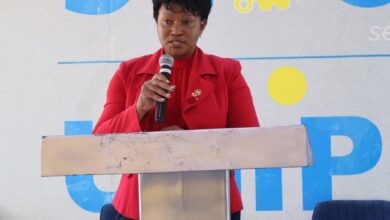
In her welcome remarks and in introducing the Principal Dignitary, Minister of Finance and Development Planning, Dr Retselisitsoe Matlanyane, also emphasised the importance of good governance to the success of State-Owned Enterprises. She noted that SOEs serve as arms of Government through which the State delivers services and advances national development objectives. Their performance therefore has a direct bearing on the effectiveness of public policy and the delivery of services to citizens. When these institutions operate efficiently, they can contribute to economic activity, employment, infrastructure development and public service delivery. When governance weaknesses undermine their performance, the consequences can extend to Government finances, service delivery and broader economic development.
Dr Matlanyane stressed that Government must establish clear mandates for SOEs, set measurable timelines and performance expectations and appoint competent people to their boards. Clearly defined mandates help institutions understand their responsibilities and prevent confusion about their purpose and expected outcomes. Measurable targets also make it possible for Government and citizens to assess whether an SOE is meeting its obligations. Competent boards can then provide the strategic oversight needed to ensure that management remains focused on agreed objectives. These elements create a stronger accountability framework in which performance can be assessed using clear and transparent expectations rather than vague institutional goals.
The Finance and Development Planning Minister further stressed that citizens have a responsibility to ensure that the right representation is placed at the highest levels of governance. This highlights the broader role that society can play in demanding capable, accountable and ethical leadership in public institutions. Strong governance does not depend only on laws and policies because the people appointed to lead institutions also influence their performance and integrity. Board members and executives must therefore have the skills, experience and ethical standards required to manage public resources responsibly. Greater public awareness of SOE performance can also encourage stronger accountability and reinforce the expectation that public institutions must deliver meaningful results.
The Africa State-Owned Enterprises Corporate Governance Summit provides an important opportunity for participating countries to exchange practical experiences, benchmark governance models and identify reforms that can strengthen public enterprises. The discussions in Maseru are particularly relevant as African governments seek ways to improve the financial sustainability, efficiency and competitiveness of SOEs while maintaining their public responsibilities. Lesotho’s four-pillar approach places corporate governance, professional state ownership, competent boards and long-term social value at the heart of its transformation strategy. The participation of countries from across Africa and the inclusion of international governance examples can further broaden the range of ideas available to policymakers and SOE leaders. The success of the summit will ultimately depend on how effectively these discussions are translated into practical reforms that improve institutional performance.
As Lesotho hosts the summit from 24 to 26 August 2026, the gathering signals a renewed focus on the role of corporate governance in transforming State-Owned Enterprises into stronger and more competitive institutions. The central message is that African SOEs need clear mandates, professional leadership, accountable boards, effective oversight and sustainable strategies if they are to deliver lasting value. Lesotho’s emphasis on separating shareholder oversight from daily operational management also highlights the importance of allowing professionals to manage enterprises while Government fulfils its ownership responsibilities. The exchange of experiences among African countries can help policymakers identify reforms that are practical, adaptable and focused on measurable results. By linking governance reform with performance, integrity and long-term value creation, the summit could contribute to a stronger model for State-Owned Enterprise management in Lesotho and across Africa.
Join 'Lesotho News' WhatsApp Channel
Get breaking Lesotho news — delivered directly to your WhatsApp.
CLICK HERE TO JOIN