Lesotho Advances National AI Strategy and Data Centre Plans for a Responsible Digital Future

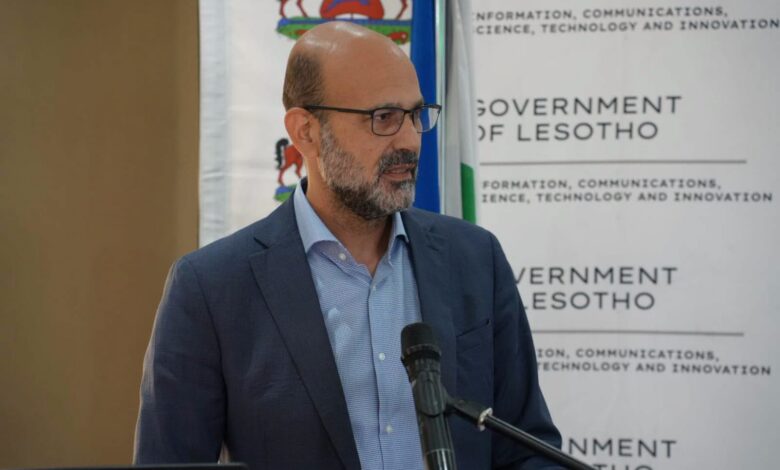
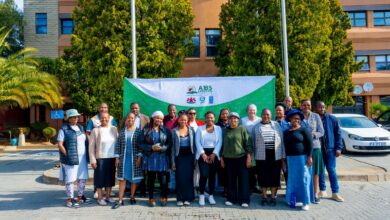
The Government of Lesotho is taking another important step towards strengthening the country’s digital transformation agenda as it concludes a five-day Capacity-Building Workshop on the National Artificial Intelligence Strategy and Data Centre Blueprint. The initiative is being led through the Ministry of Information, Communications, Science, Technology and Innovation in collaboration with the United Nations Office of Digital and Emerging Technologies (UN ODET). The workshop brings together expertise and practical planning to help Lesotho build the institutional, technical and policy foundations needed to benefit from emerging technologies. Its focus reflects the growing importance of artificial intelligence, secure data infrastructure and digital skills in modern economies. By investing in these areas, Lesotho is positioning itself to develop a more connected, innovative and digitally capable society.
The final day of the workshop focuses on developing Lesotho’s data centre implementation roadmap, an important step in turning strategic plans into practical action. A clear roadmap can help the country determine which infrastructure investments should come first, what resources will be required and which institutions should be responsible for implementation. It can also help government identify realistic timelines and establish measurable priorities for developing national data infrastructure. Effective data centres are essential to supporting modern digital services because they provide the infrastructure required to store, process and manage large volumes of information. Strengthening this foundation can support government services, businesses, education, healthcare and other sectors that increasingly depend on reliable digital systems.
Data infrastructure is also closely connected to the development and responsible use of artificial intelligence. AI systems depend on access to data, computing capacity and secure digital environments to operate effectively. Without adequate infrastructure, countries can struggle to develop local AI applications or participate meaningfully in the expanding digital economy. A national data centre strategy can help Lesotho improve its capacity to manage digital information while creating an environment where emerging technologies can be developed and deployed responsibly. The blueprint therefore represents an important component of the country’s wider National AI Strategy and its ambitions for digital development.
The workshop’s emphasis on setting priorities is particularly important because digital transformation requires careful planning and sustained investment. Lesotho must consider infrastructure requirements, connectivity, cybersecurity, energy availability, technical skills and long-term operating costs when implementing its data centre plans. Prioritising these areas can help prevent fragmented investments and ensure that resources are directed towards infrastructure with the greatest national impact. A phased approach can also allow government to build capacity progressively while responding to technological developments. This type of structured planning can make the country’s digital transformation more practical, affordable and sustainable.
Strengthening partnerships is another major focus of the final day. Developing a national digital infrastructure ecosystem requires cooperation between government institutions, international organisations, technology companies, academic institutions and other stakeholders. Partnerships can provide access to technical expertise, financing, training opportunities and innovative solutions that may otherwise be difficult to develop independently. Collaboration with the United Nations Office of Digital and Emerging Technologies can also support Lesotho as it works to align its digital ambitions with international discussions around responsible technology. Strong partnerships can help ensure that national priorities remain connected to global technological developments while maintaining a focus on local needs.
The National AI Strategy also creates an opportunity for Lesotho to establish clear principles for responsible and inclusive artificial intelligence. AI can create opportunities for economic growth, public service delivery, education and innovation, but its use also raises questions around data protection, privacy, security, transparency and accountability. A national strategy can help establish guidelines for how AI should be developed and used in ways that respect people’s rights and promote public trust. Inclusion is equally important because digital transformation should not benefit only people and businesses with existing access to advanced technology. Lesotho’s digital policies must therefore consider how rural communities, young people, small businesses and other groups can participate in the opportunities created by emerging technologies.
Sustainability will also be an important consideration as Lesotho develops its data centre infrastructure. Data centres require significant resources to operate, including electricity, cooling systems, connectivity and technical maintenance. Long-term planning should therefore consider energy efficiency, reliable power supplies and infrastructure that can adapt as demand increases. Sustainable design can reduce operational costs while supporting the country’s broader environmental and development objectives. Building infrastructure that can scale over time will also help Lesotho avoid unnecessary costs associated with replacing systems before they reach the end of their useful life.
The capacity-building focus of the workshop is equally significant because infrastructure and policies alone cannot deliver digital transformation. Lesotho needs skilled professionals who understand artificial intelligence, data management, cybersecurity, cloud technologies, infrastructure management and digital governance. Developing local expertise can reduce dependence on external technical support and create new employment opportunities for Basotho. It can also encourage young people to pursue careers in science, technology, engineering and mathematics. Continued investment in digital skills will therefore be essential if the country is to maximise the value of its AI strategy and data centre investments.
The final stage of the workshop provides an opportunity to translate the discussions of the past five days into clear next steps. An effective implementation roadmap should identify priorities, responsibilities, partnerships, resources and timelines while providing mechanisms for monitoring progress. This can help maintain momentum after the workshop and ensure that the National AI Strategy and Data Centre Blueprint move beyond planning documents into practical programmes. Regular evaluation will also allow Lesotho to adjust its approach as technology, national needs and global standards evolve. Digital transformation is an ongoing process, so the country’s plans will need to remain flexible while maintaining clear long-term objectives.
The conclusion of the five-day Capacity-Building Workshop marks an important stage in Lesotho’s efforts to build a responsible, inclusive and sustainable digital future. Through the collaboration between the Ministry of Information, Communications, Science, Technology and Innovation and the United Nations Office of Digital and Emerging Technologies, the country is strengthening the planning and institutional capacity needed to advance artificial intelligence and data infrastructure. The focus on an implementation roadmap, national priorities, partnerships and practical next steps can provide a foundation for sustained digital progress. If these plans are supported by investment, skills development, responsible governance and inclusive access, Lesotho can use emerging technologies to improve services, strengthen economic opportunities and support innovation. The work now moves from strategy development towards implementation, with the potential to shape how Lesotho participates in the digital economy for years to come.
Join 'Lesotho News' WhatsApp Channel
Get breaking Lesotho news — delivered directly to your WhatsApp.
CLICK HERE TO JOIN