Turning Lesotho’s Natural Resources Into Opportunity Through a Sustainable Biocultural Economy

Lesotho has an opportunity to transform its rich natural resources into sustainable economic opportunities by moving beyond the export of raw materials and investing in local processing, enterprise development and skills. The country’s biological resources, traditional knowledge and cultural heritage can support a stronger local economy when communities have the tools to add value before products reach international markets. This approach can create jobs, strengthen small businesses and increase the income generated from resources that already form part of local livelihoods. It can also help ensure that the economic benefits of biodiversity reach the communities that protect and depend on it. The challenge now is to build a system where natural resources become the foundation for locally driven businesses rather than simply commodities leaving the country in an unprocessed form.
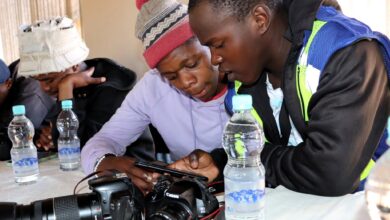
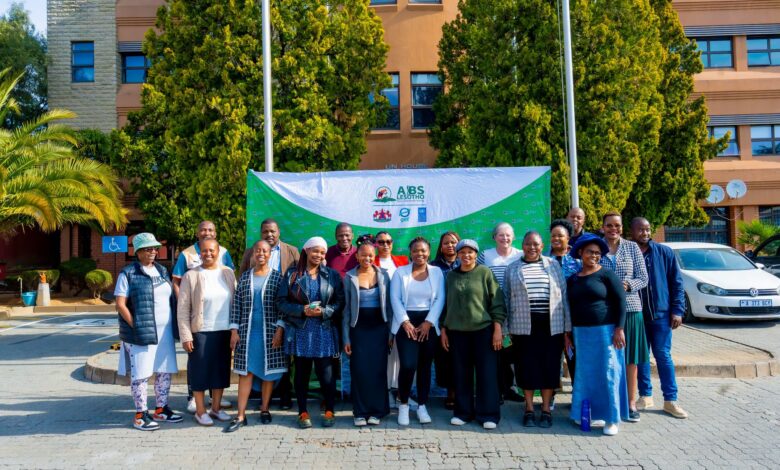
The United Nations Development Programme (UNDP) in Lesotho is supporting this shift through the Access to Benefits Sharing Project, which focuses on strengthening participation in the country’s bioprospecting sector. The project recently brought together women-led micro, small and medium enterprises (MSMEs) and youth enterprises to identify skills gaps and develop practical Training Action Plans. These discussions are important because successful participation in bioprospecting requires more than access to natural resources. Entrepreneurs need technical knowledge, financial management skills, market awareness, business planning capabilities and the ability to negotiate fair commercial agreements. By identifying these gaps directly with local enterprises, the initiative can help ensure that training responds to real challenges faced by businesses on the ground.
The concept of benefit sharing is particularly important when considering how Lesotho can develop a sustainable biocultural economy. Biological resources can have significant commercial value in areas such as natural products, cosmetics, food, traditional medicines and other industries, but communities and local enterprises need appropriate mechanisms to participate in that value chain. If raw materials are collected locally and processed elsewhere, much of the potential economic value is created outside the communities where those resources originate. Local processing can change this pattern by creating opportunities for producers, processors, entrepreneurs and skilled workers within Lesotho. A stronger domestic value chain can therefore increase household income while encouraging communities to view biodiversity conservation as an economic asset worth protecting.
Women-led enterprises and youth businesses can play a central role in this transformation. Small businesses often provide an important link between local resources and consumers because they can respond quickly to market opportunities and develop products suited to changing demand. However, entrepreneurs may struggle to scale their operations when they lack technical expertise, access to finance, business development support or knowledge of international market requirements. Training Action Plans can help address these challenges by providing a structured way to identify which skills businesses need and how those skills can be developed. Supporting women and young entrepreneurs can also broaden participation in the natural-resource economy and create new pathways into employment and enterprise ownership.
Local processing should become a major part of Lesotho’s strategy for increasing the value of its natural resources. Instead of exporting materials in their basic form, businesses can develop products that command higher prices and create more employment throughout the supply chain. This requires investment in equipment, quality control, packaging, product development, research and development and compliance with relevant standards. Entrepreneurs also need reliable access to markets so that increased production translates into sustainable revenue. When these elements work together, natural resources can support businesses that generate value locally while maintaining responsible harvesting and production practices.
Financial and commercial skills are equally important for creating a competitive bioprospecting sector. An entrepreneur may have an excellent natural product but still struggle to build a viable business without knowledge of costing, pricing, cash-flow management, contracts and market development. Negotiation skills are also essential when local businesses enter agreements with larger companies or international buyers. Fair agreements should recognise the contribution of local communities, traditional knowledge holders and enterprises involved in developing and supplying biological resources. Building these capabilities can help Lesotho’s businesses negotiate from a stronger position and retain a greater share of the value created from the country’s natural assets.
The protection of Lesotho’s biological and cultural heritage must remain central to this economic transition. Economic development based on biodiversity cannot succeed if natural resources are overharvested or if traditional knowledge is used without appropriate recognition and benefit sharing. Sustainable practices need to guide how resources are identified, collected, processed and commercialised. Communities should also have meaningful participation in decisions involving resources and knowledge connected to their livelihoods and cultural heritage. This balance between economic opportunity and conservation can help ensure that bioprospecting supports long-term development rather than creating short-term gains at the expense of future generations.
The involvement of institutions such as the Ministry of Environment and Forestry and the GEF Small Grants Programme can further strengthen efforts to connect environmental protection with local economic development. Partnerships between government, development organisations, communities, entrepreneurs and private-sector markets can provide the support needed to move promising ideas into viable businesses. Such collaboration can help improve access to training, finance, technology and markets while strengthening policies that encourage responsible use of biodiversity. It can also create stronger links between environmental programmes and national economic priorities. A coordinated approach will be important if Lesotho wants its natural-resource sector to deliver measurable benefits for communities and small enterprises.
For Lesotho, turning natural resources into opportunity means building an economy in which local people participate in every stage of the value chain. The country has the biological resources, cultural knowledge and entrepreneurial potential needed to develop new products and businesses, but these assets require investment and effective support systems. Strengthening the technical, financial and commercial capabilities of women-led MSMEs and youth enterprises can help turn local resources into sustainable sources of income. At the same time, responsible benefit sharing and conservation can protect the biological and cultural foundations on which these businesses depend. By moving from raw resource exports towards local value creation, Lesotho can build a more inclusive biocultural economy that supports livelihoods, strengthens local enterprise and protects its natural heritage for generations to come.
Join 'Lesotho News' WhatsApp Channel
Get breaking Lesotho news — delivered directly to your WhatsApp.
CLICK HERE TO JOIN