Lesotho Strengthens Its Global Role in Artificial Intelligence Through WAICO Partnership

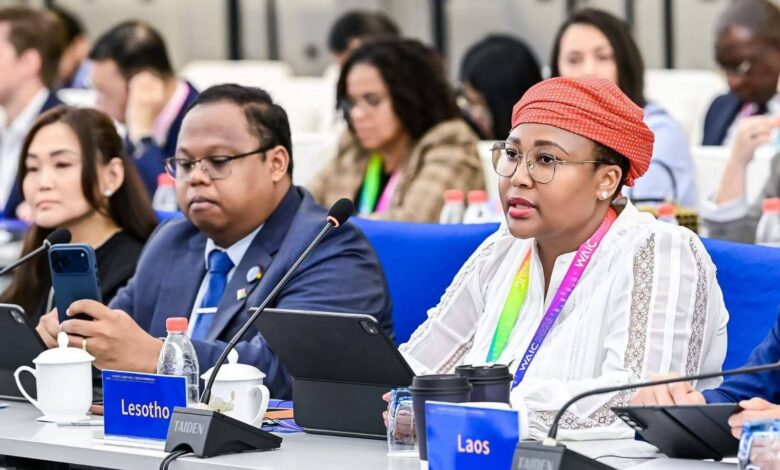
Lesotho is continuing to strengthen its position in the global conversation on artificial intelligence by actively participating in international efforts to promote responsible and inclusive AI development. As artificial intelligence rapidly transforms economies, industries and public services around the world, countries are increasingly recognizing the importance of working together to ensure that the technology benefits everyone. Lesotho has demonstrated its commitment by supporting initiatives that encourage international cooperation, knowledge sharing and equitable access to emerging technologies. The country’s involvement reflects a broader vision of using innovation to drive sustainable development while ensuring that developing nations have a meaningful voice in shaping the future of AI. Through active participation in global partnerships, Lesotho is positioning itself to benefit from technological progress while contributing to the international framework that governs artificial intelligence.
A significant milestone in this journey is the establishment of the World Artificial Intelligence Cooperation Organization (WAICO) in Shanghai. The new intergovernmental organization brings together 29 founding countries with a shared commitment to promoting international cooperation and ensuring the fair, safe and beneficial development of artificial intelligence. WAICO seeks to create an environment where countries can collaborate on policy development, technical innovation, ethical standards and the responsible use of AI technologies. The organization also aims to prevent the widening of the global digital divide by ensuring that developing countries have opportunities to participate in and benefit from advancements in artificial intelligence. This collaborative approach recognizes that AI has become a global issue that requires coordinated international solutions rather than isolated national strategies.
For developing countries, participation in WAICO represents an important opportunity to influence the future direction of artificial intelligence while gaining access to valuable international partnerships. Many lower and middle income countries continue to face challenges related to limited digital infrastructure, shortages of skilled professionals and restricted access to advanced computing resources. Without deliberate international cooperation, these challenges could prevent many nations from fully participating in the rapidly expanding AI economy. WAICO aims to address these disparities by encouraging collaboration, capacity building and the sharing of knowledge and resources among its member countries. Lesotho’s involvement demonstrates its determination to ensure that developing nations remain active participants in technological innovation rather than passive consumers of technologies developed elsewhere.
The Minister of Information, Communications, Science, Technology and Innovation, Honourable Nthati Moorosi, has become a prominent advocate for Africa and developing countries in international discussions on artificial intelligence. Through her leadership, Lesotho has consistently promoted the importance of inclusive AI governance that reflects the realities and priorities of nations with emerging digital economies. She has emphasized that global AI policies should be developed with meaningful input from countries across every region rather than being shaped exclusively by the world’s largest economies. This approach encourages greater fairness, diversity and representation in international decision making. By speaking on behalf of developing countries, Minister Moorosi has helped ensure that Africa’s perspectives remain part of the global conversation surrounding artificial intelligence.
One of the central themes promoted by Lesotho has been the need to strengthen digital infrastructure across developing countries. Reliable internet connectivity, secure data systems, modern telecommunications networks and accessible digital services form the foundation upon which successful AI ecosystems are built. Without these essential components, countries may struggle to adopt advanced technologies or develop local AI innovations that address national priorities. Lesotho has therefore called for stronger international partnerships that support investment in digital infrastructure alongside broader technological development. Such investments would not only strengthen artificial intelligence capabilities but also improve access to education, healthcare, financial services and government programs delivered through digital platforms.
Skills development has also emerged as one of Lesotho’s key priorities in global AI discussions. Artificial intelligence requires a highly skilled workforce that includes researchers, engineers, software developers, data scientists and policymakers who understand both the technical and ethical dimensions of the technology. Developing these capabilities requires long-term investment in education, training and research institutions. Lesotho has highlighted the importance of expanding opportunities for young people to acquire digital and AI-related skills that prepare them for future careers in the technology sector. Building local expertise will enable the country to participate more actively in global innovation while creating new employment opportunities and supporting economic growth.
Another important message delivered by Minister Moorosi is that African countries should not simply become users of artificial intelligence technologies developed elsewhere. Instead, they should play a direct role in shaping the policies, standards and governance systems that will influence how AI is developed and applied across the world. This perspective recognizes that artificial intelligence affects societies in different ways depending on local cultures, economies and development priorities. By participating in international rule making, African nations can help ensure that AI systems are designed in ways that promote fairness, inclusion and sustainable development. Lesotho’s position reflects a growing determination among African countries to contribute actively to global technology governance.
Global cooperation through WAICO creates significant opportunities for Lesotho to strengthen its national AI capabilities. Membership provides access to international expertise, collaborative research initiatives and partnerships that can support innovation across multiple sectors. It also opens possibilities for improved access to advanced computing resources that are often essential for developing and testing sophisticated AI applications. These opportunities can accelerate the country’s digital transformation while helping local institutions build the technical capacity needed to compete in the global digital economy. International collaboration can also encourage investment, knowledge exchange and stronger cooperation between governments, universities and the private sector.
Artificial intelligence has the potential to deliver meaningful improvements across many areas that are important to Lesotho’s development. In education, AI can support personalized learning, improve access to educational resources and assist teachers in delivering more effective instruction. In healthcare, intelligent systems can enhance disease diagnosis, improve patient management and strengthen public health planning. The agricultural sector can benefit from AI-powered tools that help farmers monitor crops, improve productivity and respond more effectively to changing weather conditions. Artificial intelligence can also contribute to climate change adaptation by supporting environmental monitoring, disaster preparedness and better management of natural resources. These practical applications demonstrate how AI can become a valuable tool for improving the quality of life for communities throughout the country.
Lesotho’s continued participation in global artificial intelligence initiatives reflects a clear commitment to ensuring that technological progress benefits all citizens. By supporting the establishment of the World Artificial Intelligence Cooperation Organization and advocating for inclusive AI governance, the country is helping shape a future where innovation is accessible, responsible and equitable. Through the leadership of Honourable Nthati Moorosi, Lesotho has consistently emphasized the importance of digital infrastructure, skills development and meaningful participation by developing countries in global decision making. The opportunities created through international cooperation have the potential to strengthen education, healthcare, agriculture and climate resilience while supporting long-term economic development. As artificial intelligence continues to transform societies around the world, Lesotho remains committed to working with international partners to ensure that AI becomes a powerful tool for inclusive development and improved lives for all Basotho.
Join 'Lesotho News' WhatsApp Channel
Get breaking Lesotho news — delivered directly to your WhatsApp.
CLICK HERE TO JOIN