Leadership Forum and Accountability Summit Opens a New Chapter for Governance and Service Delivery in Lesotho

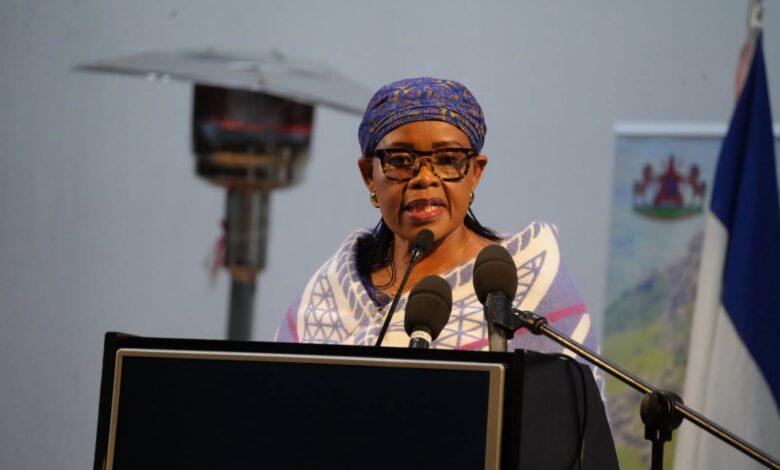
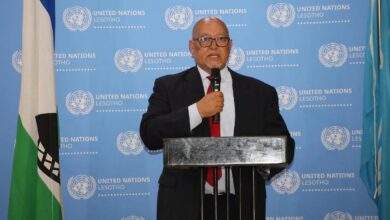
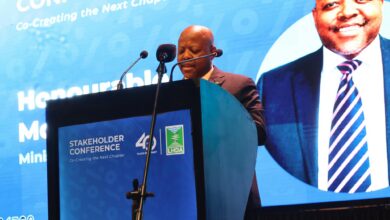
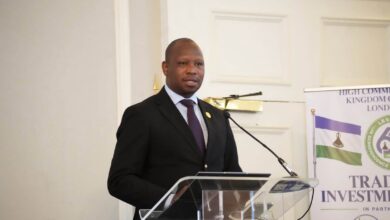
The Leadership Forum and Accountability Summit has officially begun in Lesotho, bringing together a wide range of national leaders, policymakers, public servants, development partners and key stakeholders. The gathering comes at a time when there is increasing focus on improving governance systems and strengthening public accountability across government institutions. It sets the stage for open discussions on how public services can better respond to the needs of citizens. The summit also reflects a growing demand for transparency and performance-driven leadership in key sectors. By creating a structured platform for engagement, the event aims to shape practical solutions that improve how government delivers services.
At the heart of the summit is a strong focus on accountability and performance evaluation within government structures. Leaders are using this platform to reflect on progress made in implementing national development goals and to assess where gaps still exist. Discussions are centred on improving efficiency in public service delivery, reducing delays in key systems and ensuring that resources are used effectively. Participants are also examining how government departments can improve coordination to avoid duplication of efforts. This level of reflection is intended to support stronger institutions that are responsive and accountable to the public they serve.
The summit is also providing space for honest dialogue around the challenges that continue to affect service delivery in Lesotho. These include administrative inefficiencies, resource constraints and the need for stronger monitoring systems across public institutions. By bringing together decision makers and technical experts, the forum allows for practical conversations that move beyond policy into implementation. Participants are working through real examples of service delivery breakdowns and identifying where improvements can be made. This approach is designed to ensure that solutions are not only discussed but also translated into measurable action.
A key feature of the Accountability Summit, which runs from 1 to 3 July 2026, is the inclusion of citizens and civil society organisations in the dialogue. This engagement allows the public to directly raise concerns with government leaders and contribute to discussions on national development priorities. It strengthens democratic participation by ensuring that governance is not limited to institutions alone but includes the voices of ordinary people. Civil society groups also play a critical role in providing independent perspectives on how government programmes are performing. This interaction helps build trust between citizens and state institutions by promoting openness and responsiveness.
The presence of development partners at the summit adds another important dimension to the discussions. These partners contribute technical expertise, funding support and comparative insights from other countries that face similar governance challenges. Their involvement helps broaden the scope of solutions being considered and encourages the adoption of best practices in public administration. Collaboration between government and development partners also strengthens long term planning and supports sustainable reforms. This shared responsibility reinforces the idea that improving governance requires coordinated effort across multiple sectors.
Throughout the summit, emphasis is being placed on strengthening systems that promote transparency and reduce opportunities for inefficiency or misuse of public resources. Leaders are exploring ways to improve reporting mechanisms, enhance oversight structures and ensure that public institutions are held accountable for their performance. Digital tools and modern management systems are also being discussed as part of broader efforts to improve service delivery. These reforms are seen as essential for building a more responsive government that can meet the expectations of citizens. The discussions reflect a clear recognition that accountability must be supported by strong systems and consistent enforcement.
Another important outcome expected from the forum is the strengthening of trust between government and the public. Trust is seen as a key foundation for effective governance and national development. By opening up dialogue and encouraging transparency, the summit creates opportunities to rebuild confidence in public institutions. Citizens are given a platform to express their experiences, while leaders are given the opportunity to respond directly and clarify policy directions. This two way engagement helps reduce misunderstandings and promotes a more informed public discourse on governance issues.
As the Leadership Forum and Accountability Summit continues, attention remains focused on translating discussions into concrete actions that improve service delivery across Lesotho. The success of the summit will be measured not only by the quality of dialogue but also by the implementation of agreed reforms. Stakeholders are expected to develop clear follow up mechanisms that track progress and ensure accountability beyond the event itself. The hope is that this gathering will serve as a catalyst for long term improvements in governance systems and public sector performance. By the end of the summit, participants aim to leave with a shared commitment to building a more transparent, efficient and citizen focused government.
Join 'Lesotho News' WhatsApp Channel
Get breaking Lesotho news — delivered directly to your WhatsApp.
CLICK HERE TO JOIN