Lesotho Strengthens HIV Response Through Back to Care Campaign Dissemination Symposium

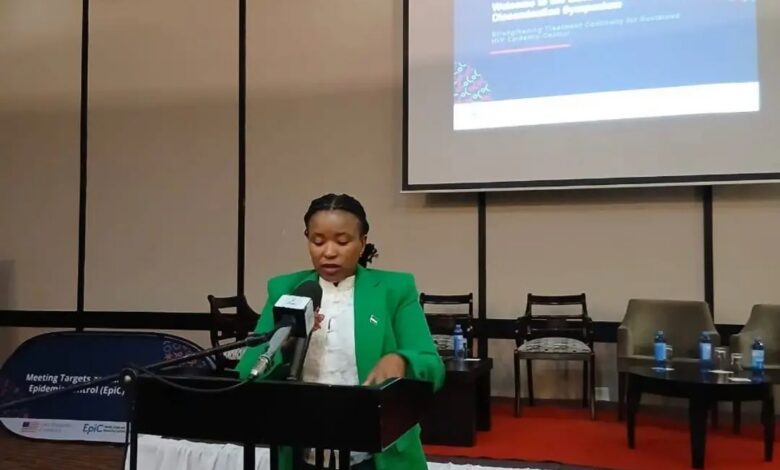
Lesotho has continued to make significant progress in its fight against HIV, with the government and its partners reinforcing efforts to ensure that every person living with HIV has access to quality healthcare services and ongoing support. This commitment was highlighted during the Back to Care Campaign Dissemination Symposium held at Avani Lesotho. The event was hosted by the Ministry of Health in collaboration with the Meeting Targets and Maintaining Epidemic Control (EPIC) Project and District Health Management Teams (DHMTs). The symposium served as an important platform to reflect on achievements, share lessons learned, and strengthen strategies aimed at improving treatment retention and health outcomes across the country. It also underscored the importance of collaboration in addressing one of the nation’s most pressing public health challenges.
Speaking at the symposium, Lesotho’s Minister of Health, Honourable ‘Mamokete Ntšekhe, emphasized that the Back to Care Campaign represents an important chapter in the country’s long journey of combating HIV. She noted that the initiative reflects years of dedication, perseverance, and progress in improving access to healthcare services for people living with HIV. According to the minister, every individual affected by HIV deserves access to quality treatment, compassionate care, and continuous support throughout their healthcare journey. She stressed that healthcare services should remain accessible and responsive to the needs of all citizens. Her remarks highlighted the government’s determination to ensure that no person is excluded from receiving the care they need.
The minister also took the opportunity to recognize the vital role played by healthcare workers, development partners, and local communities in responding to the HIV epidemic. She praised their unwavering commitment and resilience, noting that their collective efforts have contributed significantly to improving the lives of thousands of Basotho. Healthcare professionals continue to serve on the frontlines, providing treatment, counseling, and support to individuals and families affected by HIV. Development partners have supplied technical expertise, funding, and resources that have strengthened healthcare systems and expanded access to essential services. Communities themselves have also played a crucial role by supporting awareness campaigns, reducing stigma, and encouraging people to seek treatment and remain engaged in care.
One of the key achievements highlighted during the symposium was the success of the Back to Care Campaign in reconnecting people who had previously disengaged from treatment. Retention in care remains a critical component of HIV management because consistent treatment helps individuals maintain their health and reduces the risk of HIV transmission. Through targeted outreach efforts and community engagement initiatives, the campaign has successfully helped many individuals return to treatment programs and continue receiving medical support. These interventions have strengthened the healthcare system’s ability to track and support patients who may have faced barriers to accessing care. The campaign’s positive outcomes demonstrate the value of proactive and patient-centered approaches in addressing treatment interruptions.
Honourable Ntšekhe further pointed out that Lesotho’s progress in the fight against HIV illustrates what can be achieved when government institutions, healthcare providers, development partners, and communities work together toward a shared objective. She explained that coordinated efforts have allowed the country to improve treatment outcomes and expand healthcare access in many areas. The partnerships formed through these initiatives have created a strong foundation for future interventions aimed at reducing the impact of HIV. By fostering collaboration across multiple sectors, Lesotho has been able to develop more effective strategies for identifying challenges and implementing sustainable solutions. The minister stressed that continued unity and cooperation will be essential for maintaining momentum and achieving long-term public health goals.
The symposium also featured remarks from Dr. Tafadzwa Chakare, the EPIC Project Director, who emphasized the importance of ensuring that no person living with HIV is left behind. He highlighted the critical role of regular HIV testing in helping individuals know their status and access treatment at the earliest possible stage. Early diagnosis remains one of the most effective tools in preventing complications and improving treatment outcomes. Dr. Chakare explained that individuals who know their status can be linked to appropriate healthcare services, allowing them to begin treatment and receive ongoing support. His message reinforced the need for continuous efforts to expand testing services and encourage greater community participation in HIV prevention and care programs.
The Back to Care Campaign aligns with broader national and international efforts to strengthen HIV treatment and epidemic control. By focusing on re-engaging individuals who have fallen out of care, the initiative addresses a critical gap in the HIV response. Maintaining consistent treatment is essential for achieving viral suppression, improving quality of life, and reducing new infections. The campaign has also provided valuable insights into the challenges that patients face when accessing healthcare services. These lessons will help guide future interventions and policies designed to improve healthcare delivery and patient retention throughout the country.
The Ministry of Health used the symposium as an opportunity to reaffirm its commitment to working closely with partners to strengthen Lesotho’s response to HIV. Officials emphasized that improving the health and wellbeing of Basotho remains a top priority and that sustained investment in healthcare services is necessary to achieve lasting results. The ministry pledged to continue supporting initiatives that expand access to testing, treatment, and care while addressing barriers that prevent individuals from remaining engaged in healthcare programs. Ongoing collaboration with organizations such as the EPIC Project and DHMTs will remain crucial in ensuring that progress continues across all districts. These partnerships provide the expertise and resources needed to enhance service delivery and improve health outcomes nationwide.
Lesotho’s Back to Care Campaign Dissemination Symposium highlighted the remarkable progress the country has made in responding to HIV while acknowledging the work that still lies ahead. The event showcased the impact of strong partnerships, dedicated healthcare professionals, and community involvement in improving treatment access and retention. Through initiatives such as the Back to Care Campaign, more people are being reconnected to life-saving treatment and receiving the support needed to maintain their health. The government’s commitment, together with the efforts of development partners and communities, continues to strengthen the national HIV response. As Lesotho moves forward, sustained collaboration and determination will be essential to ensuring a healthier future for all Basotho and achieving the goal of leaving no one behind in the fight against HIV.
Join 'Lesotho News' WhatsApp Channel
Get breaking Lesotho news — delivered directly to your WhatsApp.
CLICK HERE TO JOIN