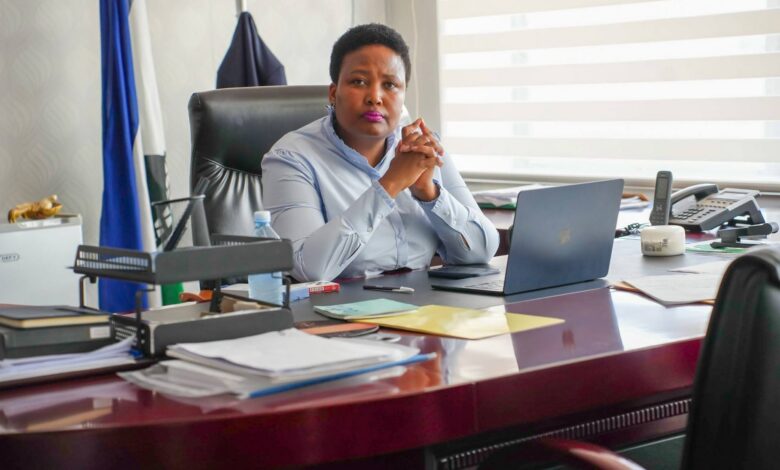
Lesotho is strengthening its role in Africa’s digital transformation agenda through continued participation in the Smart Africa Alliance. Minister of Information, Communications, Science, Technology and Innovation, Honourable Nthati Moorosi, participated virtually in the 21st Smart Africa Alliance Meeting. The meeting provides an important platform for African countries to discuss digital development, technology policy and cooperation across the continent. Discussions at the meeting include Internet Governance, the African Civil Drone Blueprint and the Mentorship Framework. Lesotho’s participation reflects its growing engagement with continental initiatives designed to support digital skills, innovation and the wider development of Africa’s digital economy.
The Smart Africa Alliance brings African countries together to advance digital transformation and strengthen cooperation in technology-related areas. Digital transformation has become increasingly important as governments, businesses and communities adopt digital tools and services. Countries need appropriate policies, skills and infrastructure to make effective use of these technologies and ensure that digital development creates meaningful opportunities. Continental cooperation can help countries share knowledge, discuss common challenges and develop approaches that support their individual digital priorities. Lesotho’s involvement in the alliance provides an opportunity to participate in these discussions while strengthening its own digital transformation efforts.
The 21st Smart Africa Alliance Meeting is addressing several issues that have an important role in Africa’s digital future. Internet Governance is among the key areas under discussion, reflecting the need for appropriate approaches to managing issues associated with the development and use of the internet. As internet access and digital services expand, countries face questions relating to policy, regulation, security, access and responsible use. Cooperation on Internet Governance can help African countries exchange experiences and contribute to discussions about the future of the digital environment. Lesotho’s participation allows the country to remain engaged in these continental conversations and consider their relevance to its own digital development.
Another major item on the meeting agenda is the African Civil Drone Blueprint. Drone technology continues to create new possibilities for civilian applications, while also raising questions about regulation, safety and responsible use. A continental blueprint can provide a framework for African countries to consider how civil drone technology can develop in a coordinated manner. The discussions are relevant to the broader digital transformation agenda because emerging technologies require appropriate policies and technical capacity. Lesotho’s participation in this discussion can help the country remain informed about continental approaches to the development and governance of civil drone technology.
The Mentorship Framework is also part of the discussions taking place at the 21st Smart Africa Alliance Meeting. Mentorship can help people develop technical skills, professional knowledge and practical experience. This is particularly relevant to the technology sector, where digital skills continue to evolve as new technologies emerge. A structured mentorship framework can support knowledge sharing and help strengthen the capacity of people participating in Africa’s digital economy. For Lesotho, engagement with this initiative could contribute to broader efforts to develop the human skills needed for digital transformation.
Lesotho joined the Smart Africa Alliance in 2025, marking an important step in the country’s engagement with continental digital initiatives. Since joining, the country has benefited from programmes and initiatives focused on Artificial Intelligence, data and digital skills. These areas are important components of a modern digital economy because they support the ability of individuals and institutions to use technology effectively. Artificial Intelligence is developing rapidly and has applications across many areas, making skills development and responsible adoption increasingly relevant. Participation in Smart Africa initiatives gives Lesotho an opportunity to strengthen its understanding and capacity in these emerging areas.
Artificial Intelligence training can contribute to the development of digital knowledge and technical capacity in Lesotho. AI is increasingly being discussed in relation to government services, businesses, education, research and other areas of society. Effective use of AI requires people who understand both its potential applications and the considerations involved in using the technology responsibly. Training can help build that understanding and support the development of relevant skills. Lesotho’s participation in AI initiatives through Smart Africa forms part of its wider engagement with emerging digital technologies.
Data is another important area of Lesotho’s digital transformation efforts. Digital services depend heavily on the ability to collect, manage, analyse and use data effectively. Strong data capabilities can support better decision-making and contribute to the development of digital services and innovation. At the same time, data use requires appropriate approaches to governance and management. Lesotho’s participation in Smart Africa initiatives focused on data provides an opportunity to engage with continental discussions about how data can contribute to Africa’s digital development.
Digital skills are also essential for ensuring that people can participate in an increasingly technology-driven economy. Digital transformation requires more than access to devices and connectivity because people also need the knowledge to use digital tools effectively. Skills development can help individuals take advantage of opportunities created by digital services, technology businesses and emerging industries. It can also strengthen the capacity of institutions to adopt and manage new technologies. Lesotho’s engagement with Smart Africa digital skills initiatives therefore supports the broader objective of building human capacity for digital transformation.
Efforts are underway to establish the Smart Africa Digital Academy in Lesotho, which could further strengthen the country’s digital skills development efforts. A local academy would provide a potential platform for training and capacity building linked to the wider Smart Africa agenda. Digital transformation depends on a sustained supply of people with relevant technical and professional skills. Developing such capacity can help institutions and individuals respond to changes in technology and the digital economy. The progress of the academy initiative will therefore be relevant to Lesotho’s longer-term efforts to strengthen digital skills and innovation.
The establishment of stronger digital skills programmes can also support young people as they prepare for opportunities in technology-related fields. Digital industries continue to evolve, creating demand for people who can work with emerging technologies and digital services. Training and mentorship can help individuals develop the knowledge required to participate in these areas. A stronger skills base can also support entrepreneurship and innovation by giving people the capacity to develop technology-based solutions. Lesotho’s engagement with Smart Africa therefore has implications not only for government policy but also for the development of human capacity across the country.
The meeting’s focus on Internet Governance, civil drone technology and mentorship demonstrates the wide range of issues involved in Africa’s digital transformation. Digital development is not limited to expanding internet connectivity or introducing new technologies. It also requires appropriate governance frameworks, technical knowledge, professional development and cooperation between countries. Emerging technologies such as drones and Artificial Intelligence create opportunities while also requiring thoughtful approaches to regulation and skills development. The Smart Africa Alliance provides a platform for countries to consider these issues collectively and explore ways to strengthen their digital economies.
For Lesotho, participation in the Smart Africa Alliance creates opportunities to learn from other African countries while contributing to continental discussions. Countries across Africa have different levels of digital infrastructure, skills and technology adoption. However, they also face shared challenges related to digital inclusion, innovation, regulation and capacity development. Cooperation can allow countries to exchange experiences and identify approaches that may be relevant to their own circumstances. Lesotho’s continued involvement can therefore support both national digital priorities and broader African digital transformation efforts.
The country’s participation also demonstrates the importance of maintaining engagement after joining a regional or continental initiative. Membership can provide access to programmes and discussions, but continued participation is important for turning those opportunities into practical benefits. Lesotho has already engaged with Smart Africa initiatives in Artificial Intelligence, data and digital skills. The proposed Smart Africa Digital Academy could provide another mechanism for strengthening this engagement if the establishment process progresses. Continued participation in alliance meetings can also help Lesotho remain connected to emerging developments in Africa’s technology sector.
Digital transformation can have a significant influence on how countries deliver services, support businesses and develop their economies. However, the benefits of technology depend on whether people and institutions have the skills, infrastructure and policy environment needed to use it effectively. This makes initiatives focused on digital skills, data, Artificial Intelligence, Internet Governance and mentorship relevant to Lesotho’s development priorities. The country’s engagement with Smart Africa provides a platform for addressing some of these issues through continental cooperation. It also creates opportunities for Lesotho to remain involved in discussions about technologies that are likely to shape Africa’s future.
The 21st Smart Africa Alliance Meeting provides another opportunity for Lesotho to contribute to discussions on the continent’s digital transformation. Minister Nthati Moorosi’s virtual participation reflects the country’s continued engagement with the alliance since joining in 2025. The discussions on Internet Governance, the African Civil Drone Blueprint and the Mentorship Framework address important aspects of digital development and emerging technology. Lesotho has also benefited from initiatives covering Artificial Intelligence, data and digital skills, while work continues toward establishing the Smart Africa Digital Academy in the country. These developments provide a foundation for deeper participation in Africa’s digital transformation and for strengthening Lesotho’s capacity to benefit from the opportunities created by the digital economy.
Join 'Lesotho News' WhatsApp Channel
Get breaking Lesotho news — delivered directly to your WhatsApp.
CLICK HERE TO JOIN