Lesotho Strengthens Cultural and Creative Industries to Drive Economic Growth and Youth Employment

The Government of Lesotho has reaffirmed its commitment to strengthening the cultural and creative sector as a driver of economic diversification, youth employment and sustainable national development. Through the development of a Draft Cultural Policy and a proposed National Arts and Culture Digital Roadmap, the government aims to create a stronger foundation for artists, performers and other creative professionals to develop their talents and access new economic opportunities. The initiative reflects growing recognition of the role that arts, culture and digital technology can play in building a competitive economy. It also highlights the importance of supporting young Basotho who possess creative talent but may face challenges accessing funding, professional networks and international markets. By improving policies and expanding digital opportunities, Lesotho seeks to transform its cultural and creative industries into a sustainable economic sector that contributes to job creation, poverty reduction and the country’s long-term prosperity.
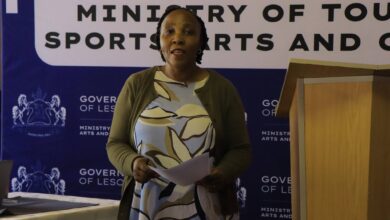
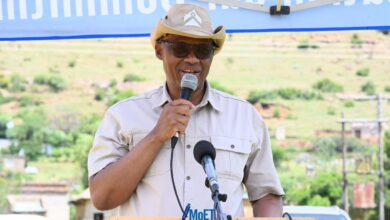
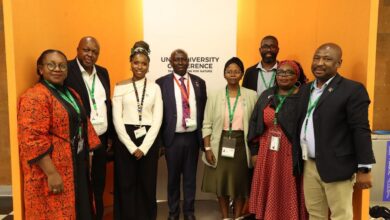
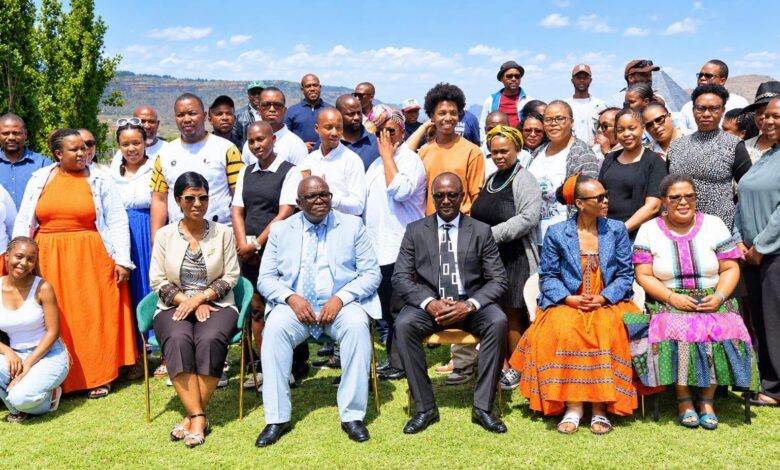
The commitment was highlighted by the Minister of Tourism, Sports, Arts and Culture, Hon. Mputi Stephen Mputi, during the Multistakeholder Review of Lesotho’s Draft Cultural Policy and Draft Arts and Culture Digital Roadmap held in Maseru. The review brought together stakeholders to examine the proposed frameworks and consider how they can better support the development of the country’s cultural and creative industries. It was co-organised by the Ministry of Tourism, Sports, Arts and Culture, the Lesotho National Commission for UNESCO and the UNESCO Regional Office for Southern Africa. Their collaboration demonstrates the importance of cooperation between government institutions and international partners in strengthening cultural development. The discussions focused on improving the policy direction and digital systems needed to help local creatives build sustainable careers and contribute more effectively to the national economy.
Minister Mputi emphasised that Lesotho has considerable creative talent, particularly among its young people. From traditional arts and cultural expression to contemporary music, fashion, visual arts and digital content, creative activities can provide opportunities for individuals to develop skills, build businesses and generate income. However, talent alone does not always guarantee commercial success, especially when artists lack access to professional training, reliable funding, suitable technology and wider markets. Strong cultural policies can help address these challenges by establishing clearer priorities for sector development and encouraging greater support for creative professionals. The government’s focus is therefore not only on celebrating Lesotho’s cultural heritage but also on creating conditions in which local talent can thrive as part of a modern and competitive creative economy.
The Draft Cultural Policy is an important part of this effort because it provides a proposed framework for guiding the country’s cultural development. A well-designed cultural policy can help clarify national priorities, support the preservation of cultural heritage and create opportunities for artistic expression across different communities. It can also help establish a more coordinated approach to supporting artists, cultural organisations and creative enterprises. For Lesotho, the review process offers stakeholders an opportunity to examine the proposed policy and contribute perspectives that reflect the needs of the sector. The technical deliberations are intended to strengthen the framework and help ensure that future cultural initiatives support both the protection of national identity and the development of sustainable economic opportunities.
Alongside the Draft Cultural Policy, the proposed National Arts and Culture Digital Roadmap is expected to play an important role in modernising the creative sector. Digital technology has changed how artists produce, promote, distribute and sell their work, allowing creative professionals to reach audiences beyond their immediate communities. Musicians can distribute recordings through online platforms, visual artists can showcase their work digitally and designers can use online channels to connect with potential customers. These opportunities can help Basotho creatives reach regional and international audiences without relying entirely on traditional distribution networks. The roadmap aims to create modern pathways for local artists and creative professionals to participate in global creative value chains, although its eventual impact will depend on the final framework and how its proposed measures are implemented.
Participation in global creative value chains can create opportunities for Lesotho’s artists to generate income from their work and develop professional relationships beyond the country. Creative value chains include the activities involved in developing, producing, promoting, distributing and commercialising creative products and services. For example, a musician’s career may involve songwriting, recording, production, digital distribution, marketing and live performance. A fashion designer may need access to design tools, materials, manufacturing services, branding and international sales channels. Improving access to these opportunities could help local creatives move beyond informal or occasional work towards more stable business models. Digital platforms may support this process, but artists will also need practical business knowledge, intellectual property awareness, marketing skills and reliable ways to receive payments for their work.
Youth employment is another major reason for strengthening Lesotho’s cultural and creative industries. Young people with artistic, technical or entrepreneurial abilities can contribute to a wide range of creative occupations, including music production, photography, filmmaking, graphic design, fashion, crafts, event management and digital marketing. Growth in these areas can also create indirect employment for people working in transport, equipment rental, hospitality, printing and other supporting services. A stronger creative economy could therefore provide income-generating opportunities for young people with different levels of education and professional experience. However, sustainable employment requires more than occasional performances or short-term projects. Artists and creative entrepreneurs need access to markets, business development support, fair compensation and opportunities to improve their skills over time.
Minister Mputi also called on the private sector, financial institutions and development partners to co-invest in the cultural and creative sector. This appeal recognises that government support alone may not be enough to unlock the industry’s full economic potential. Private businesses can contribute through investment, sponsorship, partnerships and the development of services that help creative enterprises reach customers. Financial institutions could explore suitable financing options for artists and creative businesses, taking into account the specific needs of an industry where income may vary between projects and seasons. Development partners can contribute technical expertise, training opportunities and support for initiatives that strengthen the sector’s capacity. Effective cooperation among these stakeholders could help creative professionals access the resources they need to develop viable businesses and create employment.
Access to finance remains an important consideration for creative entrepreneurs in many markets because artistic work often requires an initial investment before it generates income. Musicians may need recording equipment and studio time, filmmakers may require cameras and editing facilities, while fashion designers may need materials and production equipment. Small creative businesses can also face costs related to marketing, transport, professional services and participation in exhibitions or trade events. Financial products and support programmes that recognise these needs could help more Basotho creatives turn their ideas into sustainable enterprises. At the same time, artists need guidance on budgeting, pricing, contracts and business planning to manage their resources effectively. Combining appropriate financial support with practical business development could strengthen the sector and improve its contribution to Lesotho’s economy.
The cultural and creative sector also has the potential to support tourism and promote Lesotho’s identity internationally. Cultural festivals, traditional crafts, music, dance, fashion and visual arts can enrich the experiences of visitors while creating opportunities for local businesses and communities. Creative products can communicate the country’s history, traditions and contemporary identity to audiences in other parts of Africa and beyond. When cultural activities connect with tourism, hospitality and local enterprise, they can help spread economic benefits across different communities. This relationship makes cooperation between cultural institutions, tourism operators and creative professionals particularly valuable. With effective planning and investment, Lesotho can strengthen the links between cultural preservation, visitor experiences and economic development while ensuring that local communities benefit from the use and promotion of their cultural assets.
Digital transformation will also require attention to the practical challenges that artists face when using technology. Reliable internet access, affordable devices, digital literacy and suitable online services can influence whether creatives are able to participate in the digital economy. Artists may also need support in protecting their intellectual property, negotiating online distribution agreements and understanding how digital platforms manage their work and earnings. Copyright awareness is particularly important because creative products can be copied or distributed without proper permission. Building these capabilities into future sector development initiatives could help local creatives use digital tools more confidently and protect the value of their work. The proposed Digital Roadmap provides an opportunity to consider these needs as part of a broader strategy for improving access to digital markets.
The multistakeholder review in Maseru represents an important stage in considering how Lesotho can strengthen its cultural policy and digital development framework. Bringing together government institutions, UNESCO bodies and other stakeholders allows different perspectives to inform the proposed direction of the sector. Technical deliberations on the Draft Cultural Policy and consideration of the National Arts and Culture Digital Roadmap can help identify priorities, implementation challenges and areas where additional support may be required. The review also creates space to consider how cultural development can contribute to employment, economic diversification and the preservation of national heritage. The next steps will depend on the outcomes of the review, the refinement of the proposed frameworks and the actions taken to translate policy objectives into practical programmes.
The Government of Lesotho’s renewed focus on cultural and creative industries reflects an opportunity to recognise creativity as both a source of national identity and a contributor to economic growth. Through the Draft Cultural Policy and proposed National Arts and Culture Digital Roadmap, the country is seeking to create better conditions for artists, support young entrepreneurs and expand access to regional and global markets. The Minister’s call for investment from the private sector, financial institutions and development partners highlights the need for broad cooperation to achieve these ambitions. If supported by effective implementation, suitable financing, digital access and sustained skills development, the sector could provide more sustainable employment opportunities while increasing the economic value of Lesotho’s cultural assets. Strengthening the creative economy can help the Kingdom preserve its heritage, empower its young people and build a more diverse and resilient national economy.
Join 'Lesotho News' WhatsApp Channel
Get breaking Lesotho news — delivered directly to your WhatsApp.
CLICK HERE TO JOIN