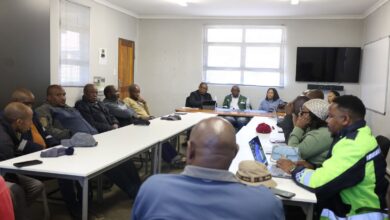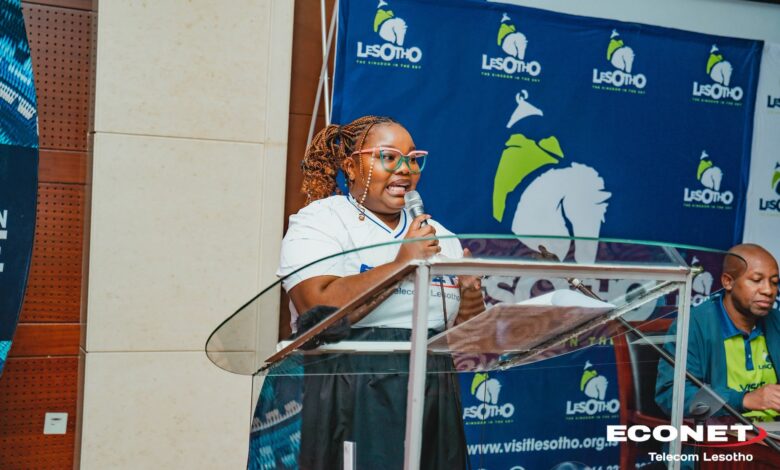
Lesotho marked World Tourism Day on 30 September 2026 with a strong focus on digital innovation, artificial intelligence and the future of tourism storytelling. The occasion brought together sponsors and Re Bonts’e Lesotho content creators for an official sponsor handover while highlighting the growing role of technology in promoting the country. This year’s theme, “Digital Agenda and Artificial Intelligence to Redesign Tourism,” placed digital tools at the centre of discussions about how destinations can reach new audiences. Content creators used the occasion to explain how they intend to apply technology and AI to improve the way they develop and share stories about Lesotho. The event showed how partnerships, connectivity and digital skills can support a new approach to tourism promotion in the country.
The use of digital platforms has changed the way travellers discover destinations, attractions, cultures and experiences. Social media videos, photographs, blogs and other forms of online content can introduce potential visitors to places they may not have previously considered. For a country such as Lesotho, digital storytelling provides an opportunity to showcase its landscapes, communities, traditions and tourism experiences to audiences beyond its borders. Content creators can present these experiences through formats that are accessible to people using smartphones and other connected devices. The growing use of artificial intelligence adds another layer by giving creators additional tools for planning, developing and refining their content.
The sponsor handover brought together fellow sponsors and Re Bonts’e Lesotho content creators as part of a partnership focused on supporting tourism storytelling. The initiative recognises that creators need more than ideas to produce consistent and engaging digital content. Access to appropriate tools, connectivity and practical support can influence how effectively creators develop and distribute their work. Partnerships can therefore help bridge the gap between creative talent and the technology required to reach larger audiences. This approach can contribute to a stronger digital presence for Lesotho’s tourism sector.
One of the creators highlighted during the occasion was Mapele Maimane, who has adopted a deliberate approach to using artificial intelligence throughout his content journey. His use of AI extends from planning and developing briefs to shaping ideas and refining storytelling. This shows how AI can support creative work without replacing the creator’s role in deciding what stories to tell and how to present them. Digital tools can help creators organise their ideas and explore different approaches before producing their final content. The practical use of AI in this way demonstrates how emerging technology can become part of the everyday workflow of tourism content creators.
EcoAI is another digital tool available to support Mapele Maimane as he develops content about Mokhotlong. The tool gives him an additional resource as he works on stories focused on the district and its people, culture and experiences. Mokhotlong has communities and tourism-related experiences that can be introduced to audiences through carefully developed digital content. Effective storytelling can provide viewers with greater context about destinations and encourage interest in places that receive less exposure through traditional tourism promotion. The availability of digital tools can make it easier for creators to develop content that presents these local stories in a structured and engaging manner.
The focus on Mokhotlong also highlights the importance of representing tourism beyond the most familiar destinations. Lesotho has diverse communities, landscapes and cultural experiences across its districts, and digital platforms can provide creators with ways to bring these locations into wider public view. Local stories can give audiences insight into how people live, the traditions they maintain and the experiences available to visitors. Content created with a clear understanding of local communities can also provide a more detailed picture of a destination. This makes digital storytelling an important part of efforts to promote tourism experiences across different parts of Lesotho.
Artificial intelligence can support tourism content creation in several practical ways. Creators can use AI-assisted tools during brainstorming, planning and the development of content briefs. They can also use technology to refine ideas, organise information and improve the structure of a story before publication. However, the quality and accuracy of tourism content still depend on the creator’s judgement and understanding of the subject. Local knowledge remains important when telling stories about communities, culture and destinations. Combining human creativity with appropriate digital tools can help creators produce content that is both informative and engaging.
The World Tourism Day theme provides a useful context for examining these developments. “Digital Agenda and Artificial Intelligence to Redesign Tourism” reflects the growing importance of technology in the tourism industry. Travellers increasingly use digital channels when researching destinations, planning trips and deciding which experiences to explore. Tourism organisations and content creators therefore need to understand how audiences consume information online. AI can contribute to this changing environment by supporting content development and other digital processes. For Lesotho, these developments create opportunities to strengthen the way the country presents its tourism offering to local and international audiences.
Connectivity is also an important part of this digital tourism strategy. Content creators need reliable access to telecommunications services to research, produce, upload and distribute digital content. Strong connectivity can make it easier for creators working outside major urban centres to participate in national tourism promotion. It can also help communities connect with wider markets and audiences. Supporting creators with both digital tools and connectivity can therefore strengthen the practical foundations of digital tourism storytelling. These resources are particularly relevant when creators are producing content from destinations such as Mokhotlong.
The partnership behind the initiative also points to the role of the private sector in supporting digital tourism development. Businesses with expertise in telecommunications and digital technology can contribute tools, connectivity and other forms of support that creators need. Tourism promotion benefits when different stakeholders contribute their respective capabilities toward a shared objective. Government and tourism institutions can provide sector direction, while creators bring their knowledge of digital storytelling and local experiences. Sponsors can help provide resources that allow creators to develop and distribute content more effectively. Together, these contributions can support a more connected approach to promoting Lesotho as a tourism destination.
For content creators, the partnership provides an opportunity to develop new skills while experimenting with emerging technology. The use of AI requires creators to understand how to apply digital tools responsibly and effectively within their own creative processes. This can include learning how to develop better prompts, organise ideas and evaluate AI-assisted outputs before using them. Human oversight remains important because tourism content needs to accurately represent people, places and experiences. Building these skills can help creators adapt as digital technology continues to develop.
The wider significance of the initiative lies in its focus on telling Lesotho’s story through the tools and platforms that modern audiences increasingly use. Tourism promotion is no longer limited to traditional advertisements, brochures or physical travel events. Digital creators can provide regular, direct and visually engaging coverage of destinations and experiences. Their content can also give audiences perspectives that differ from conventional promotional material. When supported with appropriate technology and connectivity, creators can contribute to a more active and diverse digital tourism presence for Lesotho.
The 30 September 2026 sponsor handover and World Tourism Day activities therefore brought together several important elements of Lesotho’s tourism development agenda. The event connected content creators with sponsors while placing digital technology and artificial intelligence at the centre of tourism storytelling. Mapele Maimane’s planned use of AI and EcoAI demonstrates how these tools can become part of the creative process while keeping the creator at the centre of the story. The focus on Mokhotlong also provides an opportunity to showcase its people, culture and experiences to wider audiences. As Lesotho continues to embrace digital tourism, partnerships that provide creators with the right tools, connectivity and support can help expand how the country presents its tourism identity to the world.
Join 'Lesotho News' WhatsApp Channel
Get breaking Lesotho news — delivered directly to your WhatsApp.
CLICK HERE TO JOIN