Lesotho Communities Strengthen Botanical Value Chain Through Access To Benefit Sharing Project

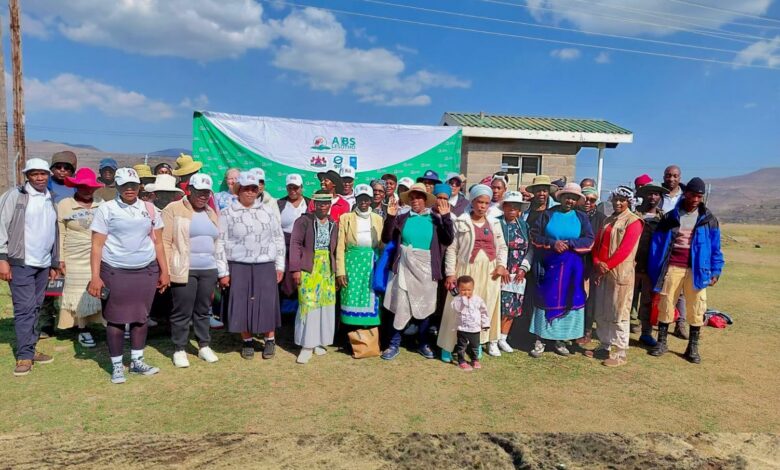
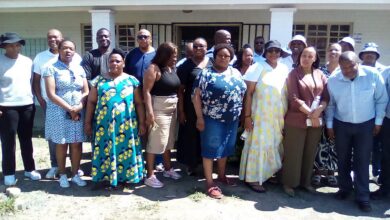
Local communities in Lesotho are being supported to build stronger businesses and skills through the Access to Benefit Sharing Project, with a focus on creating greater value from the country’s botanical resources. Local micro, small and medium enterprises, women-led cooperatives, youth entrepreneurs and herders are coming together to explore opportunities across the botanical value chain. The initiative is designed to help communities move beyond supplying raw materials and develop products that can generate greater economic returns. Training and capacity building are placing emphasis on value addition, processing, quality standards, fair pricing and access to markets. Through these efforts, the project is working to connect local resources with stronger enterprises and more sustainable income opportunities.
The botanical value chain offers opportunities for communities involved in collecting, producing, processing and selling products derived from plant resources. However, supplying raw materials alone can limit the income that communities receive from these resources. The Access to Benefit Sharing Project is therefore focusing on helping local participants understand how additional value can be created before products reach consumers. This can include improving processing methods, strengthening product quality and developing products that meet market requirements. By developing these capabilities locally, communities can potentially retain a greater share of the value generated from botanical resources.
Women-led cooperatives form an important part of this effort because they provide a platform for women to work collectively while developing income-generating activities. Through stronger skills in processing, quality control and product development, cooperatives can improve their ability to participate in wider markets. The project also creates opportunities for women to learn more about pricing and market requirements, which are important factors when turning natural resources into sustainable businesses. Collective approaches can help participants share knowledge, resources and production responsibilities. Supporting these enterprises can also contribute to broader local economic activity by strengthening businesses that operate within communities.
Youth entrepreneurs are another important group within the initiative, particularly as young people look for opportunities to develop businesses and build sustainable livelihoods. The botanical value chain can provide opportunities across several stages, including sourcing, processing, packaging, marketing and distribution. Developing entrepreneurial and technical skills can help young people identify business opportunities that extend beyond the sale of unprocessed resources. The focus on market access also encourages participants to consider what customers need and how products can be positioned competitively. This can help shift the perception of botanical resources from basic commodities towards products that can support innovative businesses.
Herders are also being brought into the process because communities involved in managing and protecting natural resources play an important role in maintaining the resources that support the value chain. Their participation can help strengthen understanding of responsible resource use while creating opportunities to benefit economically from sustainable activities. The project recognises that the people who live close to and depend on natural resources should have a meaningful role in discussions about how those resources are used and commercialised. Building capacity among these communities can support better connections between resource management and economic development. It can also help ensure that value creation does not happen separately from the communities that contribute to protecting the resources.
Value addition is a central part of the project because processing raw botanical materials into finished or semi-finished products can create additional economic opportunities. Instead of selling materials in their simplest form, local enterprises can develop products with improved quality, packaging and market appeal. Processing also creates opportunities for businesses to develop specialised products that respond to specific consumer needs. However, value addition requires knowledge, equipment, consistent production processes and an understanding of quality requirements. Building these capabilities can therefore help local businesses become better prepared to supply markets beyond their immediate communities.
Quality standards are equally important as enterprises seek to reach wider markets. Customers and buyers need confidence that products are safe, consistent and produced according to appropriate requirements. Local businesses that understand quality control can improve their ability to maintain consistent products while meeting the expectations of potential buyers. Training in standards can also help entrepreneurs identify weaknesses in their production processes and make improvements. Stronger quality practices can therefore support both consumer confidence and the long-term development of botanical enterprises.
Fair pricing is another important area of focus because the value generated from natural resources needs to be distributed in a way that recognises the contribution of local communities. Understanding how to calculate costs, set prices and negotiate with buyers can help small businesses make more informed commercial decisions. Without adequate pricing knowledge, producers and processors may struggle to cover their costs or receive a fair return for their work. Building financial and business skills can help participants better understand the value of their products. This can strengthen their position when engaging with buyers and other businesses within the value chain.
Market access is also critical to turning improved production and processing skills into sustainable economic opportunities. Producing a higher-quality product does not automatically guarantee that an enterprise will find customers or secure profitable markets. Entrepreneurs need to understand consumer demand, identify potential buyers and develop products that meet market expectations. Stronger connections between local producers, processors and markets can help reduce some of the barriers faced by small enterprises. The Access to Benefit Sharing Project’s focus on market access therefore complements its work on skills development and value addition.
The broader objective of the project is to ensure that the benefits associated with Lesotho’s genetic resources reach the communities that depend on and help protect them. This approach recognises the economic importance of natural resources while also placing communities at the centre of efforts to create value from them. Building stronger local enterprises can help create opportunities for income generation while encouraging responsible use of botanical resources. The participation of MSMEs, women-led cooperatives, youth entrepreneurs and herders brings together different groups with roles across the value chain. Their combined participation can help create stronger connections between natural resource management, entrepreneurship and local economic development.
The Access to Benefit Sharing Project is therefore focused on more than simply helping communities produce and sell botanical materials. Its approach centres on building skills, improving processing, strengthening quality, supporting fair pricing and opening pathways to wider markets. These areas are important for communities that want to move from supplying raw materials to developing competitive products and sustainable enterprises. By strengthening local capacity, the project is helping participants explore how Lesotho’s botanical resources can generate greater value within communities. Continued investment in skills, enterprise development and responsible resource management can help create lasting opportunities while ensuring that the benefits of genetic resources reach the people who depend on them and contribute to their protection.
Join 'Lesotho News' WhatsApp Channel
Get breaking Lesotho news — delivered directly to your WhatsApp.
CLICK HERE TO JOIN