King Letsie III Urges Lesotho Farmers to Continue Summer Cropping Despite El Nino Risk

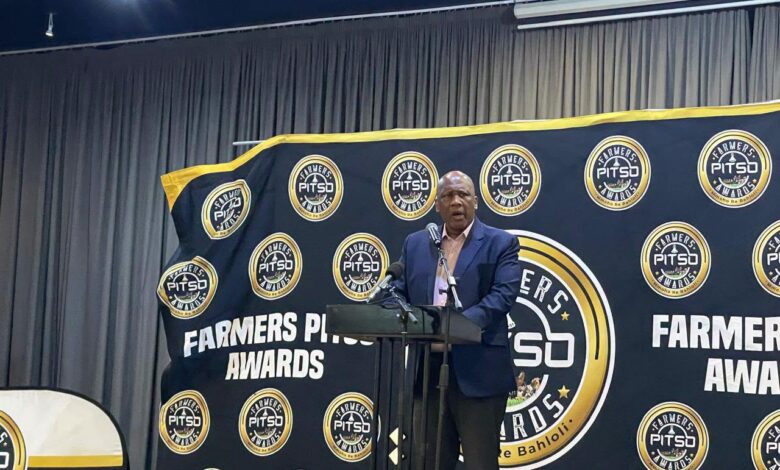
King Letsie III has urged farmers across Lesotho to continue with summer cropping despite forecasts of El Nino conditions and the possibility of drought. The King made the call while presenting excellence awards to commercial farmers during the closing ceremony of Farmers Pitso Agricultural Week in Maseru. The event was held under the theme “Celebrating Excellence, Advancing Agriculture, Transforming Lives”, highlighting the importance of farming to food production and livelihoods. His message focused on the need for farmers to apply the knowledge and skills gained through agricultural programmes to prepare for difficult weather conditions. He encouraged farmers to adopt practical soil-management methods that can conserve moisture and improve the resilience of summer crops.
The call comes at an important time for farmers who must make planting decisions while facing uncertainty over rainfall and weather conditions. King Letsie III encouraged farmers not to abandon summer cropping because of the anticipated El Nino conditions. Instead, he urged them to use appropriate farming methods that can help crops withstand periods of limited rainfall. Soil management can play an important role in conserving available moisture and supporting crops during dry periods. Farmers who prepare their fields carefully and apply suitable conservation practices can improve their chances of maintaining production when rainfall becomes unreliable.
The King also emphasised the value of the agricultural knowledge that farmers have gained through training and engagement with other producers. He encouraged farmers to put these skills into practice rather than allowing valuable knowledge to remain theoretical. The adoption of suitable soil-management practices can help farmers conserve moisture and strengthen the resilience of summer crops. Such practices are particularly important when farmers face the possibility of drought during key stages of crop development. The message also reinforces the need for farmers to combine traditional experience with modern agricultural knowledge when responding to changing weather patterns.
King Letsie III used the occasion to recognise farmers who had received awards for their contribution to agriculture and food production. He commended their hard work and acknowledged their role in helping feed the nation. Farming requires patience, dedication and continued investment, particularly when producers face difficult weather conditions and changing market demands. The awards provided an opportunity to recognise farmers who continue to contribute to the country’s food supply despite these challenges. Their achievements also offer examples that other farmers can study and adapt to their own circumstances.
The King also praised the organisers of Farmers Pitso for creating a platform where farmers can share knowledge, experiences and ideas. Agricultural progress depends on more than individual production because farmers can benefit from exchanging information about techniques, markets, challenges and opportunities. Bringing producers together can help strengthen relationships within the agricultural sector and encourage collaboration. The Farmers Pitso platform has developed into an important space for recognising agricultural achievements while encouraging farmers to learn from one another. This type of engagement can help build a stronger and more informed farming community across Lesotho.
Minister of Agriculture, Food Security and Nutrition Selibe Mochoboroane also highlighted the importance of the Farmers Pitso Agricultural Week during the event. He explained that the programme consisted of three main activities, including knowledge-sharing dialogues, high school competitions and the presentation of excellence awards. Each activity addressed a different aspect of agricultural development and helped bring farmers, young people and other stakeholders into the conversation. The knowledge-sharing sessions created opportunities for farmers to exchange information and experiences. The awards, meanwhile, provided recognition for producers whose work contributes to the development of the agricultural sector.
The high school competitions were designed to introduce young people to farming and the importance of self-sufficiency. Encouraging young people to understand agriculture can help build interest in farming as a career and livelihood opportunity. It can also help learners understand where food comes from and why local production matters to households and communities. Minister Mochoboroane urged farmers to prioritise agriculture, describing it as the foundation of development and the backbone of the country. His comments underline the need to involve younger generations if Lesotho is to build a sustainable agricultural sector in the future.
The involvement of young people is particularly important as agriculture faces challenges linked to climate conditions, production costs, markets and access to resources. Teaching learners about farming can help them develop practical skills while encouraging them to consider opportunities in crop production, livestock, agribusiness and food processing. It can also strengthen awareness of food security and the importance of producing food locally. The high school competitions at Farmers Pitso provided an avenue for introducing these issues in an engaging way. Continued investment in agricultural education could help develop a new generation of farmers and agricultural entrepreneurs.
Farmers Pitso Agriculture and Excellence Awards has also developed considerably since its establishment in 2012. One of its founders, Dr Puleng Matebesi, explained that the initiative began with gatherings of farmers in communities. These gatherings later developed into farm tours and eventually awards ceremonies that recognise agricultural achievements. The growth of the initiative demonstrates the increasing interest in creating platforms where farmers can exchange knowledge and receive recognition for their work. The awards have also expanded the focus of agricultural recognition beyond production alone.
According to Matebesi, the awards are intended to recognise farmers’ efforts to contribute to poverty eradication through food production. Food production has a direct connection to household livelihoods, community nutrition and national food security. Farmers who increase production can contribute to local food availability while creating economic opportunities through markets and employment. Recognising their contribution can encourage more producers to invest in their farms and improve their practices. The continued growth of Farmers Pitso therefore provides a platform for celebrating agricultural work while encouraging wider participation in the sector.
Speaking on behalf of the award recipients, vegetable and food-grain farmer Manapo Makhele highlighted the importance of cooperation among local farmers. She explained that she works with farmers in her community through block farming, particularly on initiatives focused on food production and nutrition. Farmers supply her with their produce, which she combines with her own production to meet market demand. This approach demonstrates how collaboration can help individual farmers overcome limitations in production volumes and strengthen their ability to supply customers. It also shows how community-based agricultural models can support both food production and access to markets.
Makhele said receiving the award would motivate her and other farmers to increase production and promote good nutrition. Her comments reflect the wider role that farmers play in supporting healthier communities through the production of vegetables, grains and other food products. Increased production can help improve food availability while creating opportunities for farmers to earn income from their work. When farmers collaborate, they can also improve their ability to respond to market demand and maintain more consistent supplies. Such initiatives can contribute to both local economic development and national food security.
The Farmers Pitso Agriculture and Excellence Awards also recognises a broad range of contributions to the agricultural sector. The annual awards consider production output alongside community impact, youth participation, sustainability, agribusiness growth, agricultural storytelling and food systems leadership. This broader approach recognises that successful agriculture involves more than producing large quantities of food. Farmers can also make an impact through mentoring young people, improving sustainable production methods, creating businesses and strengthening food systems in their communities. Recognising these different contributions can encourage farmers to pursue approaches that create lasting benefits.
The emphasis on sustainability is particularly relevant as farmers prepare for potentially challenging weather conditions. King Letsie III’s call for summer cropping, combined with his advice on soil management and moisture conservation, places resilience at the centre of the agricultural discussion. Farmers will need to make informed decisions about planting, soil preparation and water management as they respond to changing weather conditions. Knowledge-sharing platforms such as Farmers Pitso can help producers learn from one another and identify practices that have worked in different communities. Continued cooperation between farmers, government, agricultural organisations and communities will be important in supporting food production.
The message from Farmers Pitso Agricultural Week is clear: Lesotho’s agricultural future depends on farmers who are willing to adapt, share knowledge and continue producing despite difficult conditions. King Letsie III’s encouragement to pursue summer cropping despite the anticipated El Nino conditions places confidence in farmers’ ability to use appropriate techniques to manage risk. The recognition of farmers through the annual awards also highlights the value of their contribution to food security, livelihoods and national development. As Farmers Pitso continues to grow, its combination of knowledge sharing, youth engagement and farmer recognition can help strengthen the country’s agricultural sector. Supporting farmers to improve production, conserve resources and build resilient businesses will remain essential to ensuring that agriculture continues to contribute to food security and the wider development of Lesotho.
Join 'Lesotho News' WhatsApp Channel
Get breaking Lesotho news — delivered directly to your WhatsApp.
CLICK HERE TO JOIN