From the Mountains of Mokhotlong to Nigeria: How Her Empire Is Empowering a Basotho Woman Farmer


From the mountainous district of Mokhotlong in Lesotho to an international conference in Nigeria, Mme ‘Mathato’s journey shows how access to skills, knowledge and opportunities can change the direction of a small business. A farmer and participant in the second cohort of Her Empire, a United Nations Development Programme initiative, she has used the experience to strengthen her farming enterprise and explore new opportunities. Her story reflects the potential of programmes that give women entrepreneurs more than financial assistance by also building the knowledge and confidence needed to make informed business decisions. For women working in agriculture and other sectors, these skills can be especially important when they want to move beyond small-scale operations and seek new markets, partnerships or funding. Mme ‘Mathato’s experience offers a practical example of how entrepreneurship support can help women turn existing economic activities into opportunities for further growth.
Mme ‘Mathato comes from Mokhotlong, one of Lesotho’s highland districts where communities have long depended on agriculture and livestock for livelihoods. Building a farming enterprise in such an environment requires commitment and an ability to work within the opportunities and challenges presented by the local economy. Her participation in Her Empire gave her access to additional knowledge and skills designed to support women entrepreneurs as they develop their businesses. The initiative focuses on helping women understand how to manage and grow their enterprises while identifying opportunities that can take their businesses further. For Mme ‘Mathato, the programme became part of a wider journey from operating her farm to looking at her enterprise with a broader business perspective.
Her Empire is a UNDP initiative designed to support women entrepreneurs with skills, knowledge and opportunities that can help them develop their businesses. Training and entrepreneurship programmes can play an important role because running a business requires more than technical knowledge about a particular product or service. Entrepreneurs also need to understand planning, financial management, marketing, accessing finance and identifying opportunities for expansion. Confidence also matters because business owners must often approach institutions, apply for funding, negotiate with potential partners and present their ideas to new audiences. By combining knowledge with exposure to opportunities, programmes such as Her Empire can help participants build the capacity needed to take these steps.
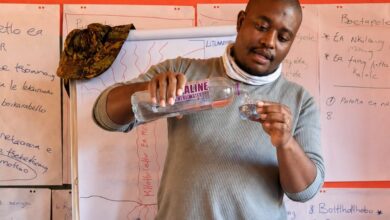
For Mme ‘Mathato, the impact of the programme has extended beyond the training itself. During a recent visit by the UNDP team, she explained how Her Empire had given her knowledge and confidence to pursue new opportunities. She is now able to apply for other grants, which can provide potential avenues for expanding her farming activities. The ability to identify suitable funding opportunities and prepare applications can be an important part of business growth for entrepreneurs who may not have access to substantial capital. Her experience shows how business development training can continue to benefit participants after a programme has ended.
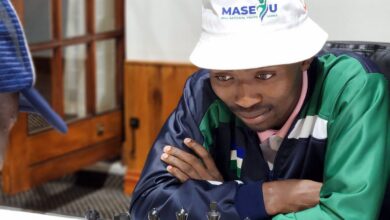
Her participation in the Her AfCFTA Conference in Nigeria represents another significant part of her entrepreneurial journey. Travelling from a farming enterprise in Mokhotlong to an event connected to the African Continental Free Trade Area exposed her to a much wider business environment. The African Continental Free Trade Area aims to create a single African market for goods and services and increase trade among African countries. For entrepreneurs, greater awareness of continental markets can encourage them to think beyond their immediate communities and consider how their products could eventually reach customers in other markets. Participation in regional and continental business platforms can also provide opportunities to learn from other entrepreneurs and understand the possibilities created by African trade integration.
The journey from Mokhotlong to Nigeria also highlights the importance of connecting local entrepreneurs with broader economic opportunities. A farmer may begin with production for a local market, but business development can create opportunities to improve the enterprise, increase production and explore additional customers. Access to information is essential because entrepreneurs cannot pursue opportunities they do not know exist. Networking can also help business owners discover funding programmes, partnerships and markets that may otherwise remain outside their reach. Mme ‘Mathato’s participation in Her Empire and the Her AfCFTA Conference demonstrates how exposure can broaden an entrepreneur’s understanding of what is possible.
Women entrepreneurs in rural areas can face particular challenges when seeking business development opportunities. Distance from major commercial centres can limit access to training, networking events, markets and financial institutions. Limited information about grants and business support programmes can create another barrier for entrepreneurs who want to expand. Programmes that deliberately reach women from different parts of a country can help reduce some of these gaps by connecting local businesses with wider networks. Mme ‘Mathato’s story is therefore relevant not only because of her individual progress but also because it illustrates the value of creating pathways that connect rural entrepreneurs with national, regional and international opportunities.
Agriculture remains an important part of economic life in Lesotho, making support for farmers who operate businesses particularly relevant. Farming enterprises need to manage production while also dealing with issues such as access to finance, markets, inputs and business knowledge. An entrepreneur who can combine farming expertise with stronger business skills may be better positioned to identify opportunities for expansion. Grant applications can potentially provide resources for investment, although receiving funding is not guaranteed and each programme has its own requirements. Mme ‘Mathato’s increased ability to pursue such opportunities reflects the practical value of developing business and financial skills alongside agricultural experience.
Her story also demonstrates why confidence is an important part of entrepreneurship development. A business owner may have a viable idea or an established enterprise but still hesitate to approach new markets or funding institutions. Training can help entrepreneurs understand how to present their businesses, assess opportunities and make decisions based on clearer information. Greater confidence does not remove the risks associated with entrepreneurship, but it can help a business owner take informed steps toward growth. In Mme ‘Mathato’s case, the knowledge gained through Her Empire has helped her move from simply operating her enterprise toward actively seeking additional opportunities.
The wider significance of her journey lies in the connection between opportunity and personal commitment. A programme can provide training, networks and information, but participants still have to apply what they learn within their own businesses. Mme ‘Mathato has taken the knowledge gained through Her Empire and used it to pursue grants and participate in opportunities beyond Lesotho. Her progress demonstrates how entrepreneurship support can become more meaningful when participants actively use the skills and connections they receive. It also shows why continued investment in women-owned businesses can contribute to broader economic participation.
Mme ‘Mathato’s journey from the mountains of Mokhotlong to the Her AfCFTA Conference in Nigeria is a story of growth, learning and expanding opportunity. Her experience with Her Empire has helped her develop knowledge and confidence that she can now apply to her farming enterprise and future funding opportunities. Her participation in a continental platform also demonstrates how a local entrepreneur can become connected to wider conversations about business and trade in Africa. The next stage of her journey will depend on the opportunities available to her and how she continues to apply the skills she has developed. Her story ultimately shows that when women entrepreneurs receive meaningful opportunities and commit themselves to using them, they can build stronger businesses and open new possibilities for their communities and beyond.
Join 'Lesotho News' WhatsApp Channel
Get breaking Lesotho news — delivered directly to your WhatsApp.
CLICK HERE TO JOIN