Lesotho Strengthens National Framework for Tariffs and Trade Remedies Through SACU-Supported Programme

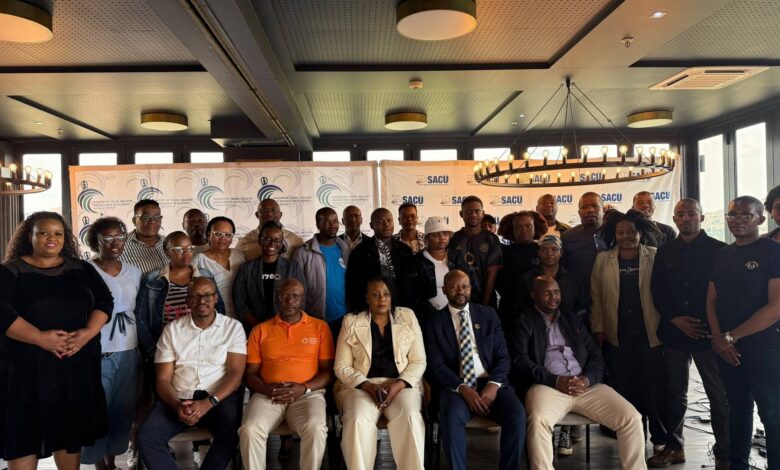
The Ministry of Trade, Industry and Business Development has taken another step toward strengthening Lesotho’s approach to tariffs and trade remedies through a programme focused on establishing a National Consultative Framework. The initiative brought together government institutions, regional trade stakeholders and representatives of the private sector to improve coordination and consultation on important trade matters. The closing session provided an opportunity to reflect on the programme’s key outcomes and discuss practical steps for moving the work forward. A stronger national framework can help Lesotho coordinate its position on tariff matters and participate more effectively in regional trade discussions. The programme also highlights the importance of cooperation between government agencies and businesses when developing policies that affect trade, investment and domestic industries.
The closing session was held by the Ministry of Trade, Industry and Business Development as the programme reached its conclusion. The discussions focused on the progress made toward establishing a National Consultative Framework on Tariffs and Trade Remedies. Such a framework is intended to create a more structured process for consultation among institutions and stakeholders when trade policy issues arise. Effective consultation can help ensure that relevant economic interests are considered before decisions are made or positions are taken in regional trade processes. For Lesotho, this type of coordination is particularly relevant because tariff decisions and trade remedies can affect manufacturers, importers, exporters, consumers and government revenue.
The programme received support from the Southern African Customs Union, commonly known as SACU, and brought together stakeholders from several areas of Lesotho’s economy. Participants included the Ministry of Trade, Industry and Business Development, SACU, the Revenue Services Lesotho, the Ministry of Finance, the Lesotho National Development Corporation, the Ministry responsible for agriculture, the Ministry responsible for mining and energy and representatives of the private sector. Bringing these institutions into the same process reflects the cross-cutting nature of tariff and trade remedy issues. Decisions involving tariffs can have implications for taxation, industrial development, agriculture, mining, energy, investment and business operations. Coordinated participation therefore gives different institutions an opportunity to contribute information and expertise relevant to national trade policy.
Tariffs are taxes or duties applied to goods when they enter a country, and they can influence the price of imported products and the competitiveness of domestic industries. Trade remedies are policy measures that countries can use under specific trade rules to respond to certain forms of unfair or harmful trade, including situations involving dumping or subsidies. These mechanisms can be technically complex because their use involves economic evidence, legal requirements and procedural rules. A national consultation framework can help government institutions and affected stakeholders understand these processes and contribute information when trade remedy matters arise. Building this capacity is important for a country seeking to protect legitimate economic interests while meeting its obligations under regional and international trade arrangements.
The participation of the private sector is also an important part of the initiative. Businesses often experience the direct effects of changes in tariffs, import conditions and regional trade rules. Manufacturers may be affected by the cost of imported inputs, while exporters can face different challenges related to market access and competition. Private sector representatives can provide practical information about production costs, supply chains, market conditions and challenges facing local businesses. Regular consultation between government and business can therefore provide decision-makers with a broader understanding of how trade measures may affect the economy.
The involvement of the Revenue Services Lesotho and the Ministry of Finance adds another important dimension to the framework. Tariffs can influence government revenue as well as the cost of imported goods and production inputs. Effective coordination between trade and finance authorities can help ensure that tariff-related discussions consider both economic development and public financial interests. The participation of other institutions responsible for agriculture, mining and energy also recognizes that trade policy does not operate separately from sector development. These industries can depend on imported equipment, materials and inputs while also contributing to Lesotho’s domestic production and export potential.
The Lesotho National Development Corporation also has an important role in discussions connected to industrial development and investment. Industrial policy and trade policy often intersect because the conditions facing investors and local producers can be influenced by tariff structures and access to regional markets. A coordinated framework can help connect trade discussions with broader efforts to develop productive industries and attract investment. This is particularly relevant when businesses need to compete with imported products or seek opportunities to export goods into regional markets. Better coordination can help government agencies consider these different interests within a more structured national process.
The closing session also focused on the need for meaningful stakeholder consultation and stronger participation in regional trade processes. Lesotho is part of SACU, which means that regional customs and trade arrangements have an important influence on the country’s commercial environment. National institutions therefore need the capacity to understand regional trade discussions and communicate Lesotho’s interests effectively. A consultative framework can provide a clearer mechanism for gathering views from government departments, businesses and other affected stakeholders before regional engagements take place. This can help create greater consistency between national priorities and Lesotho’s participation in regional trade discussions.
Principal Secretary Mrs Palesa Matobako emphasized the importance of turning the outcomes of the programme into action. Her message placed attention on continued cooperation rather than treating the closing of the workshop as the end of the process. Establishing a framework is only the first stage because its value will depend on how consistently stakeholders use and maintain it. Continued engagement can help strengthen institutional knowledge and improve coordination when new tariff or trade remedy issues emerge. The call for collective action therefore points toward an ongoing process of building national trade capacity.
The initiative also demonstrates the value of bringing different parts of the economy into national trade policy discussions. Trade decisions can affect government institutions and businesses in different ways, making coordination important when assessing potential economic consequences. A structured consultation process can help identify these effects earlier and create opportunities for stakeholders to provide relevant information. It can also support more informed discussions when Lesotho considers its position on regional trade matters. Over time, stronger coordination could contribute to a more organized and predictable approach to tariffs and trade remedies.
For Lesotho, the development of a National Consultative Framework on Tariffs and Trade Remedies represents an effort to strengthen the institutions and processes that support national trade policy. The SACU-supported programme has brought together key government agencies, economic institutions and private sector representatives around a common objective of improving coordination and consultation. The closing session marked an important point in the programme, but the next stage will depend on how stakeholders apply the lessons and outcomes from the initiative. Continued collaboration will be necessary to turn the framework into a practical mechanism for national consultation and regional trade participation. By maintaining that cooperation, Lesotho can strengthen its capacity to engage with tariff and trade remedy issues while ensuring that the perspectives of key economic sectors remain part of the national trade policy process.
Join 'Lesotho News' WhatsApp Channel
Get breaking Lesotho news — delivered directly to your WhatsApp.
CLICK HERE TO JOIN