Lesotho Secures Historic M100 Billion Kobong Project to Power Energy and AI Future


Lesotho has entered a new chapter in its economic development after securing what is being described as the largest foreign investment in the country’s history. Announced on July 31, 2026, the approval of the Kobong Project marks a significant milestone for the mountain kingdom as it positions itself for long-term growth through renewable energy and advanced digital infrastructure. Backed by United States company Convalt, the M100 billion, approximately US$6.2 billion, investment combines a major hydropower development with an artificial intelligence data centre that could transform the country’s economy for decades to come. The project is expected to strengthen Lesotho’s energy security, attract new industries and create thousands of opportunities for local communities. Beyond its financial value, the investment signals growing international confidence in Lesotho as a destination for large-scale infrastructure and technology projects.
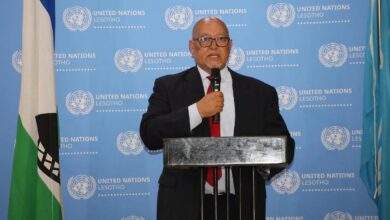
The launch of the Kobong Project was celebrated during a ceremony hosted by the United States Embassy in Maseru, where government leaders, diplomats and business executives gathered to mark the beginning of an ambitious partnership. The event highlighted the importance of cooperation between Lesotho and the United States in promoting sustainable economic development through commercial investment rather than traditional aid programmes. Among those in attendance were Minister of Energy and Mining Lejone Mpotjoane, Minister of Information, Communications, Science, Technology and Innovation Nthati Mootosi and Minister of Environment and Forestry Thabo Mofosi. Their presence demonstrated the government’s commitment to supporting projects that align with the country’s long-term development priorities. The gathering also reflected the significance of the Kobong Project as a national initiative that cuts across multiple sectors, including energy, technology, environmental management and economic development.
Speaking during the event, United States Chargé d’Affaires Thomas Hines described the investment as an example of a changing relationship between the two countries. Rather than focusing primarily on development assistance, he explained that the partnership represents a new model built around trade, investment and shared economic opportunities. His statement, “This is trade over aid,” captured the broader vision of encouraging private sector investment that creates lasting economic value. Hines noted that the decision by Convalt to invest billions of dollars in Lesotho reflects confidence in the country’s workforce, natural resources and democratic institutions. His remarks also reinforced the growing role of commercial diplomacy in strengthening economic ties between the United States and African nations.
Convalt Chief Executive Officer Hari Achuthan outlined the scale and ambition of the project, describing it as an investment that extends far beyond the construction of physical infrastructure. According to Achuthan, the US$6.2 billion development will generate employment opportunities across various industries while creating programmes that help build technical and professional skills among Basotho workers. The project is expected to stimulate economic activity through the construction phase and continue delivering benefits after completion through long-term operations and maintenance. Investments of this size typically create demand for local suppliers, contractors and service providers, allowing businesses throughout the country to participate in the economic benefits. The emphasis on skills development also ensures that local communities gain valuable expertise in sectors such as renewable energy, engineering, information technology and advanced digital systems.
One of the most significant outcomes of the Kobong Project is its potential to transform Lesotho’s energy sector. The country has historically relied on imported electricity to meet domestic demand, creating challenges for energy security and industrial expansion. Once the hydropower component becomes operational, Lesotho is expected to move from being a net importer of electricity to becoming a regional exporter of clean energy. This shift could generate new export revenue while providing manufacturers and businesses with more reliable and affordable electricity. Lower energy costs are likely to encourage further investment in industries that depend on stable power supplies, helping diversify the national economy and improve competitiveness across the Southern African region.
The artificial intelligence data centre planned as part of the Kobong Project represents another major opportunity for Lesotho’s future. As demand for AI computing power continues to increase globally, countries with access to renewable energy and suitable environmental conditions are becoming attractive locations for advanced digital infrastructure. Lesotho’s cool climate, abundant water resources and stable democratic governance provide favourable conditions for operating energy-intensive data centres efficiently. By combining renewable hydropower with cutting-edge AI infrastructure, the project aims to establish Lesotho as a regional technology hub capable of serving clients across Africa and beyond. This development could encourage additional investments in telecommunications, cloud computing, software development and digital innovation, creating new career opportunities for young professionals.
The United States Embassy highlighted its role in bringing the project to life through its commercial diplomacy initiatives. According to the Embassy, it helped connect Convalt with senior Government of Lesotho officials, creating the relationships necessary to advance discussions and secure project approval. The Kobong Project forms part of commercial partnerships valued at approximately US$7.3 billion that the Embassy has helped facilitate during the past 18 months. This demonstrates a broader commitment to encouraging American companies to invest in Lesotho and other African markets with strong growth potential. Such partnerships not only strengthen economic ties but also encourage technology transfer, innovation and increased private sector collaboration between both countries.
Environmental sustainability and responsible business practices also form an important part of the Kobong Project’s overall vision. The United States Embassy stated that American investments are expected to comply with environmental and social standards while operating within the rule of law. This commitment is intended to ensure that development takes place responsibly, protecting local communities and natural resources while delivering long-term economic benefits. Strong environmental governance can help reduce potential risks associated with major infrastructure projects while building public confidence in the investment process. Responsible implementation will be essential to ensuring that the project delivers lasting value for future generations without compromising environmental integrity.
The approval of the Kobong Project marks a defining moment in Lesotho’s economic history and positions the country for significant transformation in the years ahead. With a combined focus on renewable energy generation and artificial intelligence infrastructure, the development has the potential to reshape Lesotho’s economy while creating jobs, expanding technical expertise and attracting further international investment. The project also reflects a growing shift toward commercial partnerships that promote sustainable development through trade and private investment. If successfully implemented, the Kobong Project could establish Lesotho as both a regional energy exporter and a leading destination for digital infrastructure in Africa. Its success would not only strengthen the country’s economy but also demonstrate how strategic international partnerships can unlock new opportunities for inclusive and sustainable growth.
Join 'Lesotho News' WhatsApp Channel
Get breaking Lesotho news — delivered directly to your WhatsApp.
CLICK HERE TO JOIN