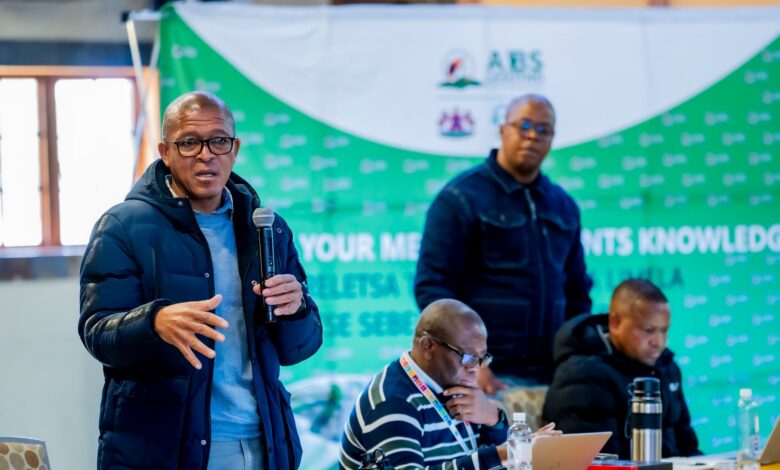
Lesotho is taking steps to strengthen how the benefits arising from its biological resources are accessed and shared, with a strategic workshop focusing on Access and Benefit Sharing (ABS) being held from 12 to 13 August 2026. The Ministry of Environment and Forestry, in collaboration with the United Nations Development Programme (UNDP) Lesotho, is convening the Natural Resources, Tourism and Land Cluster Portfolio Committee for the workshop. The initiative focuses on strengthening understanding of the Nagoya Protocol, the Access and Benefit Sharing Project and the legal and policy measures required to improve biodiversity governance in the country. It also creates an opportunity for stakeholders to examine how Lesotho can ensure that communities and other legitimate custodians of biological resources receive fair benefits when those resources are used. The discussions are particularly important as Lesotho works to strengthen its legal framework for biodiversity management, including through the proposed Biodiversity Bill.
Access and Benefit Sharing is based on the principle that biological resources and associated traditional knowledge should not be used for commercial, scientific or other purposes without appropriate recognition of the rights and interests of those who provide or conserve them. Biological resources can include plants, animals and genetic material that have potential value for research, agriculture, medicine, cosmetics, tourism and other industries. In many communities, traditional knowledge about plants and natural resources has developed over generations and remains an important source of information about their uses and properties. A strong ABS system can help ensure that when such resources or knowledge generate economic or other benefits, those benefits are shared in a fair and transparent manner. For Lesotho, establishing effective ABS mechanisms can support conservation while also creating opportunities for communities and the wider economy.
The strategic workshop provides an important platform for government officials and other stakeholders to strengthen their understanding of the Nagoya Protocol and its relevance to Lesotho. The Nagoya Protocol is an international agreement linked to the Convention on Biological Diversity that establishes a framework for access to genetic resources and the fair and equitable sharing of benefits arising from their utilisation. Understanding its requirements can help countries develop systems that provide clearer rules for researchers, businesses, communities and government institutions. Such systems can reduce the risk of biological resources or traditional knowledge being used without proper consent or benefit-sharing arrangements. Strong implementation can also give resource users greater certainty about the procedures they need to follow when accessing biological resources.
One of the central issues in ensuring fair benefit sharing is establishing clear national laws and policies that define rights, responsibilities and procedures. The workshop is therefore considering legal and policy measures that can strengthen biodiversity governance in Lesotho. The Biodiversity Bill is an important part of this discussion because effective legislation can provide the foundation for regulating access to biological resources and protecting the interests of communities and other stakeholders. Clear laws can also establish mechanisms for obtaining consent, negotiating benefit-sharing agreements and monitoring how resources are used. By strengthening the legal framework, Lesotho can create a more predictable system that supports both conservation and responsible economic use of biological resources.
Local communities have an important role in any successful Access and Benefit Sharing system because they are often closely connected to natural resources and may possess valuable traditional knowledge. Communities can have detailed knowledge about medicinal plants, agricultural species, livestock resources and other forms of biodiversity found within their surroundings. If such knowledge contributes to research or commercial products, communities should have mechanisms that allow them to participate in decisions concerning its use. Fair benefit sharing can take different forms, including financial payments, community development initiatives, technology transfer, training, employment opportunities or access to research outcomes. Ensuring that communities understand their rights is therefore essential to preventing exploitation and creating a system based on transparency and mutual benefit.
The ABS Project can play an important role in helping Lesotho translate these principles into practical systems. Building stakeholder capacity is necessary because effective implementation requires people and institutions with the knowledge to apply the relevant laws, policies and procedures. Government agencies need to understand their regulatory responsibilities, while researchers and businesses need to know how to obtain access legally and negotiate appropriate benefit-sharing arrangements. Communities also need information about their rights and the value of their biological resources and associated knowledge. Strengthening capacity across these different groups can help create a more balanced system in which conservation interests and economic opportunities can coexist.
Fair benefit sharing can also contribute to biodiversity conservation by giving communities and other stakeholders stronger incentives to protect natural resources. When people see tangible benefits from conserving biodiversity, they may have greater motivation to prevent destructive practices and support sustainable resource management. This approach can link environmental protection with local economic development rather than treating conservation and livelihoods as separate priorities. Tourism, sustainable agriculture, natural products and scientific research could all benefit from a well-regulated system that recognises the value of Lesotho’s biological resources. A functioning ABS framework can therefore support both environmental objectives and broader development goals when implemented effectively.
The involvement of the Natural Resources, Tourism and Land Cluster Portfolio Committee is significant because biodiversity governance affects several areas of national development. Biological resources have connections to environmental protection, tourism, agriculture, research, community livelihoods and economic activity. Coordinated policymaking can help ensure that these sectors do not operate independently when decisions involving biological resources are made. The workshop provides an opportunity for stakeholders to identify gaps, strengthen cooperation and build support for implementing the ABS Project. Greater coordination can also help ensure that future legislation and policies reflect the interests of communities, government institutions, researchers, businesses and conservation stakeholders.
For Lesotho to ensure that benefits from biological resources are accessed and shared fairly, the country will need more than legislation alone. It will require clear procedures for access, informed participation by communities, transparent agreements and effective monitoring of how biological resources and associated knowledge are used. Government institutions must have sufficient capacity to enforce the rules, while communities must have meaningful opportunities to participate in decisions affecting resources connected to their livelihoods and cultural knowledge. Researchers and private companies should also be encouraged to engage responsibly with resource owners and comply with national requirements. These measures can help establish trust between stakeholders and reduce the risk of disputes over ownership, access and benefit sharing.
The 12 to 13 August 2026 workshop represents an important step in strengthening this approach and building broader support for biodiversity governance in Lesotho. By focusing on the Nagoya Protocol, the ABS Project and the legal measures needed to support implementation, the discussions can help establish a stronger foundation for managing the country’s biological resources. The proposed Biodiversity Bill also provides an opportunity to create clearer rules that protect biodiversity while recognising the interests of communities and other stakeholders. If these efforts lead to effective laws, strong institutions and meaningful community participation, Lesotho can improve its ability to ensure that the value created from biological resources is shared fairly. The long-term goal should be a system where biodiversity conservation, responsible resource use and community benefits reinforce each other, allowing Lesotho to protect its natural heritage while creating sustainable opportunities for its people.
Join 'Lesotho News' WhatsApp Channel
Get breaking Lesotho news — delivered directly to your WhatsApp.
CLICK HERE TO JOIN