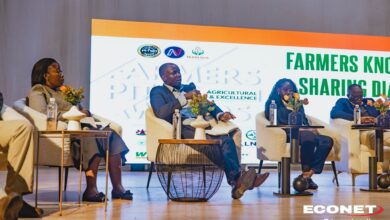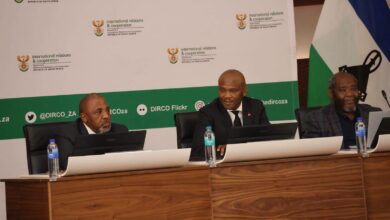
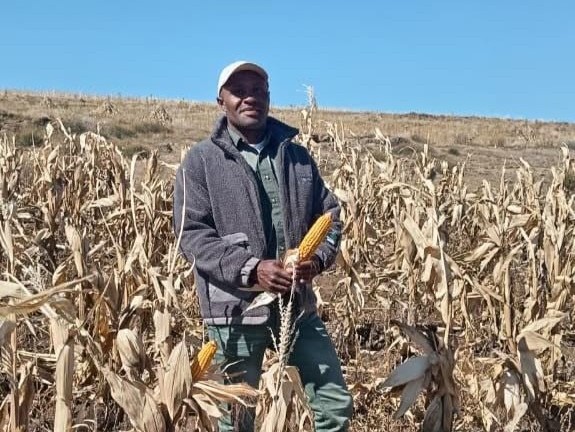
Farmers in Lesotho have been urged to take immediate steps to prepare for an anticipated El Niño event that could bring reduced rainfall and higher temperatures during the coming agricultural season. The warning was delivered at the Agribusiness Drought Proofing Stakeholder Forum held in Maseru on Wednesday, where agricultural and climate experts highlighted the risks facing crop production and livestock. Food and Agriculture Organization (FAO) representative Mr. Mokitinyane Nthimo stressed that farmers should not wait for drought conditions to become visible before taking action. He said early preparation, better water management and climate-smart farming practices could help farmers reduce the impact of changing weather conditions. The warning comes at an important time for Lesotho’s agricultural sector, with the November to April period regarded as critical for rainfall and farming activities in the country.
Mr. Nthimo emphasised that farmers need to carefully consider planting times and make decisions based on reliable climate information. He said the timing of planting could have a major impact on crop performance when rainfall patterns become unpredictable. Farmers were encouraged to identify suitable planting windows and choose seed varieties that are appropriate for the expected conditions. Waiting until drought conditions are already affecting farms could leave farmers with fewer options and increase the risk of crop failure. “Timing is everything,” Mr. Nthimo said, stressing that farmers should use available forecasts to make decisions before difficult conditions develop.
Water management was identified as one of the most important elements of drought preparedness. Mr. Nthimo explained that drought management cannot be separated from the way farmers collect, conserve and use water. He encouraged farmers to improve soil moisture retention, harvest water during periods of rainfall and invest in irrigation where possible. These measures can provide farmers with greater flexibility when rainfall becomes limited and can help protect crops during dry periods. Effective water management is also important for livestock because grazing areas, rivers, dams and other water sources can come under increased pressure during prolonged dry conditions.
The FAO representative also called for stronger integration of indigenous knowledge and scientific climate information when preparing communities for changing weather conditions. He said early warning information becomes more useful when it is presented in ways that farmers can understand and apply to their daily activities. Local knowledge can provide valuable insight into weather patterns, seasonal changes and environmental conditions that communities have observed over many years. Combining this knowledge with scientific forecasts can help improve the relevance of warnings and support better decisions at farm level. Mr. Nthimo warned that grazing land and water resources were already under pressure, raising concerns about whether sufficient plans were in place to harvest and store water before existing sources become depleted.
Healthy soils were also highlighted as an important part of building resilience against drought and climate variability. Soil with good moisture retention capacity can help crops survive periods of limited rainfall by making better use of the water that is available. Farmers can support soil health through appropriate land management practices that protect soil structure and reduce the loss of moisture. Mr. Nthimo also stressed the relationship between water, energy and food security, noting that these areas need to be considered together when developing strategies for agricultural resilience. Protecting natural resources while improving production systems can help farmers respond more effectively to climate-related pressures.
The importance of cooperation across the agricultural sector was reinforced by Standard Lesotho Bank Chief Executive Officer Mr. Samuel Seboka, who said farmers, government, development partners and financial institutions must work together to withstand climate shocks. He stressed that access to climate information is not enough if farmers cannot understand what the information means for their operations. Farmers need forecasts that are presented clearly and linked to practical decisions about planting, irrigation, livestock management and other activities. “Forecasts should not just be received as information, but translated into practical action,” Mr. Seboka said. His comments highlighted the need for stronger connections between climate information providers, financial institutions and farming communities.
Mr. Seboka also highlighted crop insurance as an important tool for managing agricultural risks associated with adverse weather conditions. Crop insurance can provide farmers with financial protection when severe weather causes significant losses, helping them recover and continue operating after a difficult season. Access to appropriate financial products can become increasingly important as climate variability creates greater uncertainty for agricultural producers. However, insurance works best when it forms part of a broader risk management strategy that includes good farming practices, water conservation and access to reliable weather information. Collaboration between banks, insurers, government agencies and farmers can therefore help create stronger financial protection for the agricultural sector.
Lesotho Meteorological Services is also working to address challenges in communicating climate information to farmers. Weather forecaster and LMS spokesperson Mr. Rammolenyane Lethaha said a major gap remains between the availability of climate information and the ability of farmers to understand and use it. To address this challenge, LMS is developing a weather application designed to translate technical weather data into information that ordinary farmers can understand and use. The application is also expected to incorporate indigenous knowledge, creating a communication tool that brings scientific information and local experience together. Improved access to practical weather information could help farmers make more informed decisions throughout the agricultural season.
Mr. Lethaha explained that El Niño is associated with changes in Pacific Ocean temperatures and can influence weather patterns in different parts of the world. In Lesotho, the phenomenon can contribute to reduced rainfall and higher temperatures, creating difficult conditions for both crop and livestock production. He said the November to April period is particularly important because rainfall during these months plays a major role in agricultural production. Current assessments presented at the forum indicate a 100 percent probability of El Niño occurring during the season, although the eventual strength and duration of the event remain important factors to monitor. Mr. Lethaha said the event could be strong but relatively short-lived, with conditions potentially shifting back towards La Niña by February.
The meteorological outlook also highlights the importance of updated forecasts as the agricultural season approaches. Mr. Lethaha said August would be important for improving rainfall projections for the coming season, giving farmers and other stakeholders an opportunity to refine their preparedness plans. El Niño events can be classified as weak, moderate, strong or very strong, meaning that the potential effects can differ depending on the strength of the event. Farmers therefore need to follow updated information rather than relying on a single forecast when making decisions about their operations. Regular climate updates can help farmers adjust planting dates, seed choices, water management plans and livestock strategies as new information becomes available.
The anticipated El Niño event presents a serious challenge for farmers in Lesotho, but the warnings from stakeholders also highlight opportunities to strengthen agricultural resilience through early action. Farmers can reduce their exposure to drought by planning planting dates carefully, selecting suitable seed varieties, conserving soil moisture, harvesting water and preparing irrigation systems where resources allow. Livestock producers also need to consider the availability of grazing land and water while developing plans for periods when natural resources may become scarce. Financial tools such as crop insurance can provide additional protection, while reliable climate information can help farmers make decisions before conditions deteriorate. The message from the Agribusiness Drought Proofing Stakeholder Forum is clear: preparation must begin before the effects of drought become severe.
The forum demonstrates the growing need for coordinated action as Lesotho’s agricultural sector faces increasing climate variability. Government institutions, farmers, financial organisations, development partners and meteorological services each have an important role to play in helping communities prepare for difficult seasons. Scientific forecasts must reach farmers in a form they can understand, while indigenous knowledge should continue to contribute to locally relevant climate planning. At farm level, early decisions about planting, water conservation, soil management, seed selection and livestock preparedness can make a significant difference when rainfall is limited. With the November to April period approaching, the call for farmers to act now is not simply a warning about El Niño, but an opportunity to strengthen farming systems before climate pressures intensify.
Join 'Lesotho News' WhatsApp Channel
Get breaking Lesotho news — delivered directly to your WhatsApp.
CLICK HERE TO JOIN