King Letsie III Calls for Strategic Partnerships to Transform Food Security Across Africa

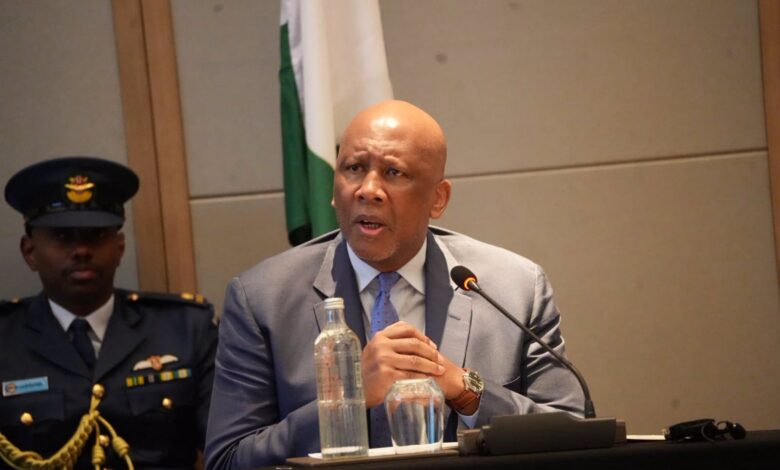
His Majesty King Letsie III has called for stronger partnerships and long-term solutions to address Africa’s growing food security challenges during a high-level round table on Strategic Partnerships and Diplomatic Dialogue held in Nairobi, Kenya. The event brought together influential leaders from government, humanitarian organizations, development institutions and the private sector to discuss practical strategies for building resilient food systems across the continent. As climate change, economic instability and conflict continue to threaten food production and livelihoods, the discussions focused on creating sustainable approaches that go beyond emergency humanitarian assistance. The King’s keynote address emphasized the importance of investing in people, strengthening local communities and fostering collaboration among diverse stakeholders. His message highlighted the need for Africa to build on its existing strengths while developing lasting solutions that improve food security for future generations.
The round table was co-convened by the International Federation of Red Cross and Red Crescent Societies (IFRC), the Kenya Red Cross and the British High Commission. It attracted senior government officials, diplomatic missions, development finance institutions, multilateral organizations, philanthropic partners and private sector representatives committed to advancing durable solutions to food insecurity. The gathering reflected the growing recognition that addressing hunger requires coordinated action across multiple sectors rather than isolated interventions. Participants explored opportunities for stronger partnerships, increased investment and innovative strategies that can strengthen food systems while improving resilience against future shocks. The dialogue also reinforced the importance of collaboration between governments and development partners in achieving sustainable development goals.
In his keynote address, King Letsie III reminded participants that history presents every generation with defining moments that shape the future. He urged leaders to decide whether they would continue managing yesterday’s challenges or begin building tomorrow’s solutions. His remarks encouraged policymakers and development partners to adopt a forward-looking approach that addresses the root causes of food insecurity instead of repeatedly responding to recurring crises. The King stressed that lasting progress depends on bold decisions and long-term planning supported by meaningful partnerships. His message resonated with the forum’s objective of finding practical and sustainable pathways toward greater food security across Africa.
One of the central themes of the King’s address was the importance of recognizing Africa’s greatest strength. He stated that the continent’s greatest resource has never been the natural wealth beneath its soil, but rather the determination, resilience and ingenuity of its people. According to His Majesty, human potential remains the strongest foundation for sustainable development and long-term prosperity. He encouraged governments and development partners to invest in communities by creating opportunities that allow local innovation and leadership to flourish. His perspective reinforced the idea that empowering people is essential for building stronger economies and more resilient societies.
King Letsie III also challenged the conventional way in which discussions about food insecurity are often framed. He noted that conversations frequently begin by focusing on what vulnerable communities lack rather than recognizing the valuable assets they already possess. He encouraged a shift in thinking that acknowledges local knowledge, determination, creativity and the belief that positive change is possible. According to the King, these qualities provide a strong foundation upon which sustainable agricultural development and food security initiatives can be built. Recognizing community strengths allows development efforts to become more inclusive, effective and responsive to local realities.
The King highlighted inspiring examples of communities across Africa that continue to overcome difficult circumstances despite the growing effects of climate change. He pointed to local efforts to restore degraded land, improve livelihoods and strengthen sustainable food systems through innovation and perseverance. These achievements demonstrate that meaningful progress is already taking place in many parts of the continent, often driven by ordinary people working together to improve their communities. His Majesty emphasized that Africa’s future is being built gradually through the dedication of families, villages and local leaders who remain committed to creating better opportunities despite significant challenges. He called on governments and international partners to recognize these efforts, provide support and help successful initiatives expand to benefit more communities.
During his address, King Letsie III also commended the people of Taita Taveta County in Kenya for demonstrating resilience, dignity and leadership. He praised their commitment to protecting future generations while confronting environmental and economic challenges. His recognition reflected the important role that local communities play in driving sustainable development and adapting to changing climate conditions. The King suggested that successful local initiatives can serve as valuable examples for other regions facing similar difficulties. By supporting community-led development, countries can strengthen resilience while improving food production and long-term economic stability.
The King stressed that humanitarian assistance will always remain an important component of responding to emergencies, particularly during periods of drought, floods and other disasters. However, he argued that emergency responses alone cannot solve the underlying causes of recurring food insecurity. He warned that if every drought becomes another humanitarian emergency and every flood wipes out years of development progress, then it is clear that existing approaches are not sufficient. Instead, he called for greater investment in prevention, resilience and sustainable development that reduces vulnerability before disasters occur. This approach would help communities withstand future shocks while reducing long-term dependence on humanitarian aid.
His Majesty concluded by emphasizing that no single government, organization or institution can achieve food security on its own. He called for collective action that brings together governments, humanitarian organizations, financial institutions, development agencies, private businesses and local communities. Strong partnerships, shared responsibility and coordinated investment will be essential for creating lasting improvements in food security across Africa. His message comes at a time when the continent faces increasing pressure from recurring climate events, conflict and economic shocks that continue to strain humanitarian systems and slow development. The Nairobi dialogue demonstrated a shared commitment among global and African leaders to move beyond crisis management toward sustainable solutions. By investing in people, strengthening community resilience and building effective partnerships, Africa can create stronger food systems that support economic growth, improve livelihoods and ensure a more secure future for generations to come.
Join 'Lesotho News' WhatsApp Channel
Get breaking Lesotho news — delivered directly to your WhatsApp.
CLICK HERE TO JOIN