Lesotho Electoral System Review Dialogue Focuses on Strengthening Democracy, Inclusion and Public Trust


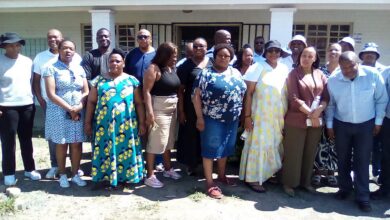
The Independent Electoral Commission of Lesotho is convening a two-day dialogue focused on Electoral System Review and Inter- and Intra-Party Dialogue as the country continues efforts to strengthen its electoral democracy. The dialogue is being held under the theme “Strengthening Electoral Democracy, Inclusion, Public Trust and the Consolidation of Democratic Development.” It brings together electoral stakeholders to reflect on how Lesotho can improve its electoral system and strengthen democratic participation. The discussions also create space for political parties and other stakeholders to consider how dialogue can support tolerance, cooperation and peaceful political participation. The initiative places electoral reform, inclusion and public trust at the centre of wider discussions about Lesotho’s democratic development.
A key focus of the dialogue is the question of how Lesotho’s electoral system can become more effective, inclusive and trusted by citizens. Electoral systems influence how citizens participate in choosing their representatives and how political institutions operate within a democracy. For an electoral process to command public confidence, citizens need to have meaningful opportunities to participate and institutions need to carry out their responsibilities in a credible and impartial manner. The review process provides an opportunity for stakeholders to reflect on existing practices and consider areas that may require improvement. It also allows different groups to contribute their experiences and perspectives to discussions about the future of elections in Lesotho.
Another important issue at the dialogue is the role of political parties in strengthening democratic participation. Inter-party dialogue creates an opportunity for different political parties to engage with one another on issues that affect the wider democratic environment. Intra-party dialogue can also help political organisations address internal differences and promote participation within their own structures. Constructive dialogue can provide channels for political disagreements to be addressed through discussion rather than confrontation. The focus on tolerance, cooperation and peaceful participation therefore connects political party engagement with the broader goal of maintaining a stable and participatory democratic system.
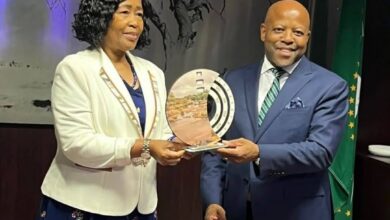
In her remarks, UNDP Resident Representative Dr. Jacqueline Olweya highlighted two central questions for the dialogue. The first asks how Lesotho’s electoral system can become more effective, inclusive and trusted, while the second considers how dialogue within and among political parties can strengthen tolerance, cooperation and peaceful participation. These questions connect the technical aspects of elections with the broader relationships between citizens, political organisations and democratic institutions. They also encourage stakeholders to consider not only how elections are administered but also how political actors engage with one another throughout the electoral cycle. This broader perspective is important because democratic development extends beyond election day and includes the institutions, practices and relationships that support participation between elections.
Dr. Olweya also emphasised that elections are more than a technical process. They represent a democratic compact between citizens, institutions and political leaders, which depends on impartial institutions, meaningful participation and public trust. This perspective places the experiences and confidence of citizens alongside the administrative responsibilities involved in conducting elections. Electoral institutions need clear procedures and effective systems, but democratic participation also depends on people believing that they can take part in the process and that their participation matters. Political leaders and parties also have responsibilities in maintaining constructive engagement and respecting democratic processes. Building public trust therefore requires attention to both institutional performance and the conduct of political stakeholders.
The dialogue comes as Lesotho continues to examine ways of strengthening its electoral institutions and democratic processes. Electoral system review can involve consideration of how existing arrangements operate in practice and whether they effectively support participation and representation. Such discussions can be particularly important when different stakeholders have different experiences of the electoral process. Bringing these perspectives together can help identify areas for further discussion and potential improvement. The two-day dialogue provides a structured setting for stakeholders to exchange views and contribute to a broader conversation about electoral democracy in Lesotho.
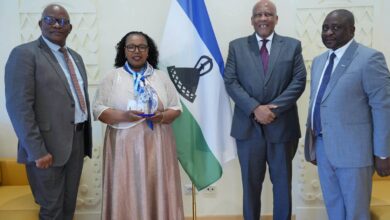
The United Nations Development Programme is supporting these efforts through the European Union-funded Inclusive Lesotho, Election Cycle Support initiative. Through the initiative, UNDP continues to support stronger electoral institutions and sustained engagement among stakeholders. The programme involves collaboration with the Independent Electoral Commission of Lesotho, the Lesotho Government, civil society and other partners. This approach recognises that strengthening democracy requires cooperation across different parts of society. Sustained engagement can also help ensure that discussions about elections continue beyond individual electoral periods.
The involvement of civil society is important because organisations outside government and political parties can provide additional perspectives on inclusion, participation and accountability. Civil society groups often engage with communities and can contribute to discussions about how citizens experience democratic institutions and electoral processes. Their participation can broaden the range of views considered during electoral dialogue. The inclusion of different stakeholders can also help identify concerns that may not be fully visible from an institutional perspective. A more inclusive dialogue can therefore contribute to a wider understanding of the challenges and opportunities facing Lesotho’s electoral democracy.
Public trust is another central issue because confidence in electoral institutions can influence how citizens engage with democratic processes. Trust can be affected by how institutions communicate with the public, how electoral procedures are implemented and how concerns are addressed. Political parties also play a role because their conduct and engagement can shape public perceptions of democratic competition. Building trust is therefore a continuing process that requires transparency, meaningful participation and credible institutional practices. The focus on public trust within the dialogue reflects the importance of maintaining confidence in elections as a fundamental part of democratic governance.
The emphasis on inclusion also raises important questions about participation across different sections of society. A strong electoral democracy requires citizens to have meaningful opportunities to participate in political and electoral processes. Stakeholders can use electoral dialogue to consider barriers that may affect participation and examine ways to make democratic institutions more accessible. Inclusion also involves ensuring that different perspectives are considered when decisions about electoral systems and democratic development are discussed. These conversations can contribute to a broader understanding of what effective participation should look like within Lesotho’s democratic system.
Inter-party and intra-party dialogue can further support peaceful political participation by creating opportunities for disagreements to be managed through communication. Political competition naturally involves differences over policies, leadership and national priorities, but democratic systems require these differences to be addressed through established political processes. Dialogue can help create channels for parties to discuss shared concerns while maintaining their distinct positions. It can also support greater understanding between political actors when disagreements arise. The emphasis on peaceful participation reflects the importance of maintaining democratic engagement even when political competition is strong.
The two-day dialogue therefore brings together several connected aspects of democratic development in Lesotho. Electoral system review addresses the institutional and procedural side of elections, while inter-party and intra-party dialogue focuses on relationships and political engagement. Inclusion and public trust connect these areas by placing citizens and their participation at the centre of the democratic process. Support from UNDP, the European Union and national stakeholders provides a framework for continued engagement on these issues. The discussions can contribute to an ongoing national conversation about how Lesotho can strengthen its electoral institutions and democratic practices.
The Independent Electoral Commission of Lesotho’s dialogue provides an opportunity for stakeholders to examine the country’s electoral system while also considering the wider political environment in which elections take place. The questions highlighted by Dr. Jacqueline Olweya underline the importance of effective institutions, inclusive participation, constructive political dialogue and public trust. The European Union-funded Inclusive Lesotho, Election Cycle Support initiative adds further support to efforts involving the IEC, government, civil society and other partners. Strengthening electoral democracy requires sustained attention rather than a focus limited to election periods. As Lesotho continues its democratic development, continued dialogue among citizens, political parties, institutions and partners can help inform discussions about a more inclusive, transparent and trusted electoral process.
Join 'Lesotho News' WhatsApp Channel
Get breaking Lesotho news — delivered directly to your WhatsApp.
CLICK HERE TO JOIN