Mission 300 Launch in Ha Laka Highlights Lesotho’s Drive to Expand Access to Reliable Energy


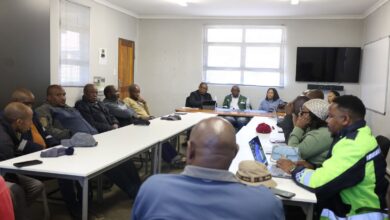
The Mission 300 launch at Ha Laka in Thaba-Tseka marks an important moment in Lesotho’s efforts to expand access to reliable, affordable and sustainable energy. The event brings together government leaders, ministers, officials, development partners, energy sector stakeholders and members of the local community. The initiative comes as Lesotho continues to focus on improving its energy sector and increasing access to electricity and other essential energy services. The official launch will be led by the Right Honourable Prime Minister, Mr Ntsokoane Matekane. The gathering also highlights the importance of cooperation between government, development partners, energy institutions and communities in advancing Lesotho’s energy development goals.
Mission 300 is associated with the broader effort to increase electricity access across Africa and strengthen energy systems on the continent. For Lesotho, the initiative provides a platform to support efforts aimed at bringing reliable energy services to more people, including communities that face challenges accessing modern energy. Expanding energy access can have a direct effect on households, businesses, schools, health facilities and other community services. Reliable electricity can also support economic activity by allowing businesses to operate more efficiently and by creating conditions for new enterprises to develop. The focus on energy access therefore extends beyond electricity infrastructure and connects with wider national development priorities.
The choice of Ha Laka in Thaba-Tseka for the launch also places communities at the centre of the energy access conversation. Rural and remote communities can face particular challenges when infrastructure must reach areas with difficult terrain or dispersed populations. Improving access in such areas requires investment, planning and cooperation among different stakeholders. Community participation can also help ensure that energy development responds to local needs and creates practical benefits for residents. The launch provides an opportunity to bring national energy priorities closer to the communities that stand to benefit from improved access.
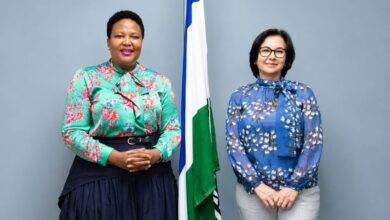
The participation of the Right Honourable Prime Minister Ntsokoane Matekane gives the event national significance as Lesotho continues to address challenges within its energy sector. Government leadership is important when implementing large-scale development programmes that require coordination across ministries, public institutions, development partners and private sector stakeholders. Energy development also requires long-term planning because infrastructure projects can involve significant investment and extended implementation periods. The Prime Minister’s involvement in the official launch reflects the importance attached to expanding access to energy as part of the country’s development agenda. It also provides an opportunity for the government to reaffirm its commitment to improving energy services for communities across Lesotho.
Ministers and government officials attending the event represent different areas of public administration that can contribute to the success of energy development. Energy access affects several sectors because electricity supports public services, education, healthcare, communications, agriculture and economic activity. Development partners also have an important role because energy projects often require technical expertise, financing and institutional support. Energy sector stakeholders contribute through their experience in infrastructure, generation, transmission, distribution and other parts of the energy system. Bringing these groups together can strengthen coordination and help align investment with national priorities.
The participation of community members is equally important because energy projects ultimately need to deliver practical improvements to people’s lives. Access to reliable electricity can help households use lighting, communication devices and other electrical equipment more consistently. Businesses can benefit from more dependable energy for production, refrigeration, communications and other operations. Schools and health facilities can also use electricity to support essential services and improve their ability to operate effectively. These potential benefits make energy access an important part of efforts to improve living conditions and create opportunities in communities.
Lesotho’s energy sector also has an important connection to sustainability. The country has significant potential for renewable energy development, particularly through resources such as hydropower and solar energy. Sustainable energy development requires careful planning to ensure that new infrastructure is technically effective, financially viable and capable of meeting future demand. It also requires attention to the environmental and social effects of energy projects. As Lesotho works to expand access, balancing increased energy supply with sustainability will remain an important consideration.
Affordable energy is another key part of the Mission 300 focus. Expanding access alone does not guarantee that households and businesses can make full use of electricity if energy services remain difficult to afford. Energy development therefore involves questions about infrastructure, service delivery, investment and affordability. A reliable and reasonably accessible energy system can support households while also helping businesses plan and operate with greater certainty. Continued cooperation among government, development partners and the energy sector will be important in addressing these interconnected challenges.
The Mission 300 launch also highlights the role of partnerships in achieving major development objectives. No single institution can address all the financial, technical and infrastructure requirements involved in expanding energy access. Government provides policy direction and national coordination, while development partners can support investment, technical assistance and programme implementation. Energy sector stakeholders bring specialised knowledge and operational capacity, while communities provide local knowledge and direct participation. Effective partnerships can help turn national energy goals into projects that deliver measurable benefits on the ground.
For communities in Thaba-Tseka and elsewhere in Lesotho, the importance of the initiative will ultimately be measured by the improvements it helps deliver. Increased access to reliable electricity can create opportunities for small businesses, improve public services and support household activities. Energy can also contribute to digital connectivity because many modern communication and information technologies depend on dependable electricity. These connections show why energy access is closely linked to economic and social development. As Mission 300 moves beyond its launch, continued implementation and cooperation will be important to achieving meaningful results.
The Mission 300 launch at Ha Laka represents an important step in Lesotho’s continuing efforts to strengthen its energy sector and expand access to reliable, affordable and sustainable energy. The presence of the Prime Minister, ministers, government officials, development partners, energy sector stakeholders and community members demonstrates the broad range of partners involved in this effort. The initiative places energy access within a wider development context that includes economic activity, public services, community opportunities and sustainable development. Its long-term significance will depend on how effectively partnerships, investments and programmes translate into improved energy services for communities. As Lesotho advances its energy agenda, Mission 300 provides another platform for coordinated action toward a more accessible and dependable energy future.
Join 'Lesotho News' WhatsApp Channel
Get breaking Lesotho news — delivered directly to your WhatsApp.
CLICK HERE TO JOIN