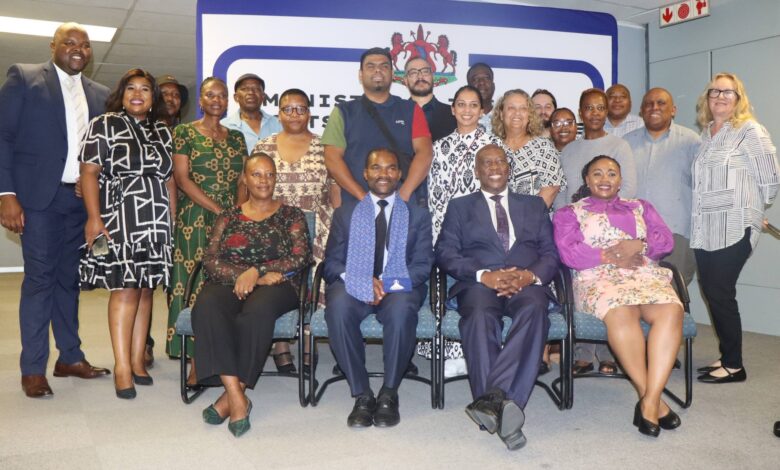
A focused cross-border effort between South Africa and Lesotho has taken a major step toward restoring dignity to victims of apartheid-era violence and their families. The Deputy Principal Secretary of the Ministry of Tourism, Sports, Arts and Culture, Mr Hlalele Hlalele, led a week-long joint work programme that brought together technical teams from both countries. This initiative centered on preparing for the exhumation and repatriation of South Africans who were massacred during the apartheid regime and buried outside their homeland. For many families, this process represents a long-awaited opportunity to reclaim the remains of their loved ones and lay them to rest according to cultural traditions. The programme reflects a broader regional commitment to confronting historical injustices with action and care.
The collaboration included a wide range of stakeholders from Lesotho, each playing a key role in ensuring the process is handled with precision and respect. Representatives came from the Department of Arts and Culture, the Ministry of Foreign Affairs, the Department of Police, the Office of the District Administrator, and the Maseru City Council. These institutions worked together to provide logistical support, security coordination, and administrative oversight for the planned exhumations. Their involvement highlights how complex and sensitive such operations are, requiring careful planning and strong institutional cooperation. It also shows Lesotho’s willingness to support justice and healing beyond its borders.
South Africa’s delegation brought in specialized expertise critical to the success of the programme. Officials from the Department of Sports, Arts and Culture worked alongside the South African Heritage Resources Agency and the Missing Persons Task Team, both of which have extensive experience in forensic recovery and historical investigations. The Department of Military Veterans also played a role, reflecting the broader national interest in honoring those who suffered during apartheid. These teams are responsible for ensuring that the exhumation process follows strict scientific and ethical standards. Their work includes identifying remains, preserving evidence, and documenting findings to support both families and historical records.
The primary goal of this joint programme is to bring closure to families who have lived for decades without answers or proper burial rites for their loved ones. Many victims of apartheid-era violence were buried in unmarked or poorly documented graves, often in foreign locations such as Lesotho. This has left families in a state of unresolved grief, unable to perform cultural rituals that are deeply important in many South African communities. By returning these remains to their ancestral homes, the initiative helps restore dignity not only to the deceased but also to their relatives. It acknowledges the pain endured over generations and provides a path toward healing.
Beyond individual families, this effort carries national and historical significance. It reinforces the importance of remembering the human cost of apartheid and ensuring that those who were lost are not forgotten. The cooperation between South Africa and Lesotho demonstrates how countries can work together to address shared histories and responsibilities. It also sets a precedent for future cross-border collaborations in similar cases, where victims of political violence were displaced or buried far from home. This kind of partnership strengthens diplomatic ties while serving a deeply humanitarian purpose.
The week-long programme led by Mr Hlalele marks a meaningful step in South Africa’s ongoing journey to confront its past and honor those who suffered under apartheid. It shows that justice is not only about legal processes but also about restoring dignity and providing closure. As preparations continue for the exhumation and repatriation process, families can begin to see a path toward long-awaited healing. The joint commitment from both nations signals that even decades later, efforts to correct historical wrongs remain a priority. This initiative stands as a powerful reminder that reconciliation requires action, cooperation, and respect for those who came before.
Join 'Lesotho News' WhatsApp Channel
Get breaking Lesotho news — delivered directly to your WhatsApp.
CLICK HERE TO JOIN