Lesotho Launches Tractor Financing Initiative to Transform Farming and Boost Food Security

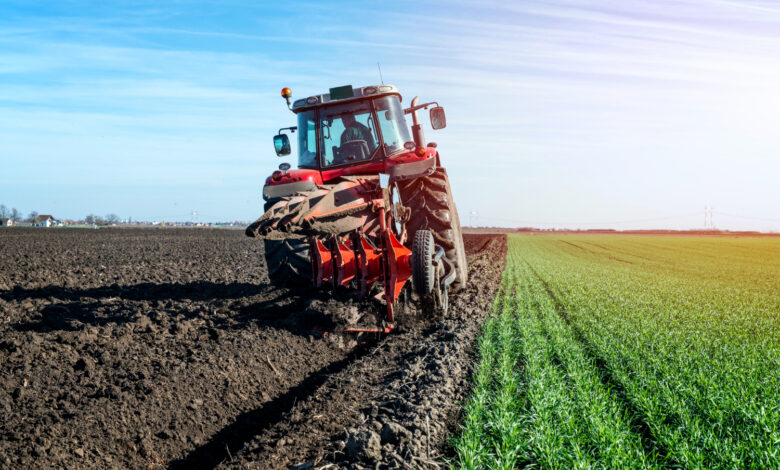
The Government of Lesotho has introduced a Tractor Financing Initiative designed to change how farming operates across the country. This programme targets a key barrier that many Basotho farmers face, which is limited access to modern equipment. By making tractors and essential machinery more accessible, the initiative aims to shift agriculture from manual labour to efficient mechanised systems. This move comes at a time when food security and rural development remain critical priorities. The programme is expected to support farmers who want to scale production and treat farming as a serious business.
The initiative is implemented through Lesotho PostBank in partnership with the Ministry of Agriculture, Food Security and Nutrition and the Ministry of Finance and Development Planning. This collaboration ensures both financial support and technical oversight. Farmers can apply for financing that covers tractors, implements, irrigation equipment, and other approved machinery. One of the most important features is that farmers do not need to pay an upfront deposit. Instead, they repay loans through structured instalments that are designed to be affordable. Government support helps reduce the overall cost, making the programme more accessible to a wider group of farmers.
Early results show that the programme is gaining traction. So far, 76 tractor financing applications have been approved, which reflects strong demand for mechanisation. Among these approvals, three went to women farmers and six to youth farmers. These numbers highlight a starting point, but they also show the need to expand participation among underrepresented groups. The government has made it clear that increasing involvement from women and young people remains a priority. This focus aligns with long term goals of building a more inclusive and sustainable agricultural sector.
Eligibility for the programme is based on active farming and the ability to use machinery productively. Commercial and semi commercial farmers are encouraged to apply, along with those who have additional income from jobs or businesses. High value crop farmers, emerging farmers, youth, and women are also included in the target group. Land requirements depend on the type of farming activity rather than size alone. For example, staple crop farmers may need around 20 hectares, while those with stable secondary income may qualify with about 10 hectares. Farmers growing high value crops such as vegetables, fruits, or mushrooms can qualify with as little as one hectare, provided they can generate consistent income.
High value crops play an important role in this initiative because they offer strong returns per hectare. These crops often rely on irrigation and intensive farming methods, which align well with mechanised systems. Farmers who focus on horticulture, herbs, niche products, or specialty crops can benefit from smaller land requirements. This approach allows more farmers to participate, even if they do not own large areas of land. Land can be owned, leased, or communal, as long as the farmer has authorised access. This flexibility opens the door for more inclusive participation across different farming models.
The programme supports a wide range of recognised tractor brands to ensure quality and reliability. Farmers can choose from brands such as John Deere, New Holland, Massey Ferguson, Landini, McCormick, CASE, Fiat, and Ford, along with other approved options. Access to trusted brands ensures that farmers invest in durable equipment with available servicing and parts. This reduces the risk of downtime and protects the farmer’s investment. It also ensures that the programme delivers long term value rather than short term gains.
Farmers who join the initiative must meet clear responsibilities. They are expected to use the equipment strictly for productive farming activities. Proper maintenance of tractors and machinery is required to extend their lifespan. Timely loan repayment is essential to keep the programme sustainable. Monitoring systems are in place to ensure that equipment is used correctly and that public funds are protected. These conditions help maintain accountability and ensure that the initiative continues to benefit future participants.
The impact of mechanised farming under this initiative is expected to be significant. Faster land preparation allows farmers to plant on time and increase cropping cycles. Improved efficiency leads to higher yields and better overall productivity. Increased output translates into higher farm incomes and stronger rural economies. Job creation is another key benefit, as expanded farming operations require more labour and support services. These outcomes contribute directly to stronger food systems and national food security.
The Tractor Financing Initiative represents a strategic step toward modernising agriculture in Lesotho. It removes key financial barriers and gives farmers the tools they need to grow and compete. By focusing on affordability, inclusivity, and productivity, the programme addresses both immediate needs and long term development goals. Farmers who take part have the opportunity to transform their operations and improve their livelihoods. As participation grows, the initiative has the potential to reshape the agricultural landscape and strengthen the country’s economic future.
Join 'Lesotho News' WhatsApp Channel
Get breaking Lesotho news — delivered directly to your WhatsApp.
CLICK HERE TO JOIN