Lesotho Advances National Integrated Solid Waste Management Strategy Through Stakeholder Workshops

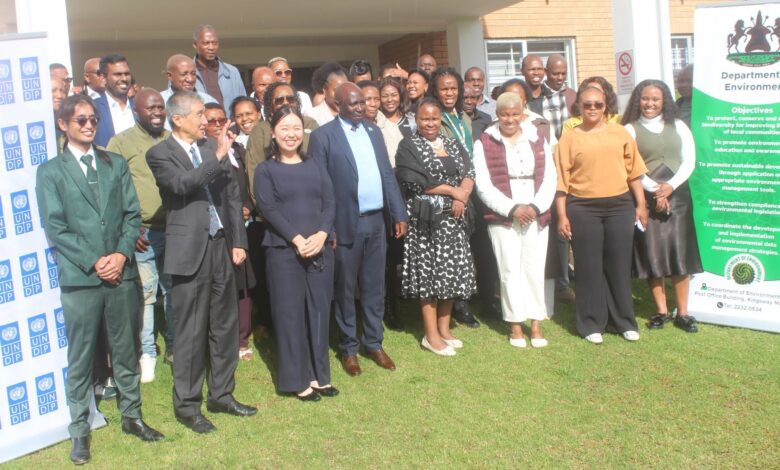
Lesotho is taking important steps towards improving waste management and environmental protection through a series of stakeholder workshops focused on implementing the country’s National Integrated Solid Waste Management Strategy. The initiative is led by the Ministry of Environment and Forestry in collaboration with the United Nations Environment Programme (UNEP), the United Nations Development Programme (UNDP), the UNEP International Environmental Technology Centre (UNEP-IETC), the Institute for Global Environmental Strategies Centre Collaborating with UNEP on Environmental Technologies (IGES-CCET), the Japan International Cooperation Agency (JICA) and other national partners. The workshops aim to turn the national strategy into practical measures that address waste generation, collection, recycling and disposal across Lesotho. They also seek to improve the quality of information used for environmental planning, encourage wider public and private sector participation and strengthen responsibility among businesses that generate waste. Through these efforts, Lesotho aims to establish a more effective and sustainable waste management system that protects public health, supports economic development and contributes to a cleaner environment.
The workshop series began on Monday, 19 October 2026, with a Waste Characterisation Validation Workshop. The first session focused on reviewing and validating information about the types and quantities of waste generated in Lesotho. This information is essential because waste management decisions depend on understanding what materials people and businesses discard, how much waste they produce and how these materials are currently handled. Reliable data can help authorities identify the areas with the greatest waste management needs and determine which interventions are likely to deliver the most benefit. By improving the evidence available to decision-makers, the workshop seeks to strengthen the foundation for implementing the National Integrated Solid Waste Management Strategy.
Waste characterisation is an important part of modern waste management because different types of waste require different handling methods. Organic waste, paper, plastics, glass, metals and other materials vary in their potential for reuse, recycling, composting or safe disposal. Understanding the composition of waste can help local authorities plan collection services, identify suitable recycling opportunities and estimate the infrastructure required to manage waste safely. It can also help policymakers assess whether current waste management practices meet the needs of communities and businesses. For Lesotho, more reliable waste characterisation data could support better planning and help ensure that limited public resources are directed towards the most urgent priorities.
Accurate waste data can also improve environmental decision-making by showing how waste generation differs between communities, commercial areas and other locations. Areas with high volumes of waste may require more frequent collection, improved storage facilities or additional disposal capacity. Information about recyclable materials can help identify opportunities for businesses that collect, sort and process waste into useful products. Data on organic waste can also inform the development of composting initiatives that support soil improvement and agricultural activities. By validating the available information, stakeholders can work towards a shared understanding of the country’s waste management challenges and develop responses based on evidence rather than assumptions.
Another major objective of the workshops is to promote inclusive waste management by encouraging the participation of stakeholders across the waste management chain. Effective waste management involves more than government departments and municipal authorities. It also depends on households, businesses, community organisations, recycling operators, environmental groups and people working in the informal waste sector. These groups often have different responsibilities and experiences, making their involvement important when developing practical solutions. Bringing stakeholders together can help identify gaps in existing systems, improve cooperation and ensure that proposed measures reflect the realities of waste collection, sorting, transport and disposal.
The inclusion of informal waste workers is particularly important when considering how to strengthen recycling and resource recovery in Lesotho. People working informally in waste collection and recycling may help recover materials that would otherwise be discarded, although their working conditions and access to resources can vary. Recognising their role in the waste management system could create opportunities to improve safety, support livelihoods and strengthen links with formal recycling businesses. Inclusive planning can also help reduce barriers that prevent smaller operators from participating in waste management initiatives. By involving these workers in discussions, the strategy can better account for their contribution while identifying ways to improve working conditions and the efficiency of material recovery.
The workshops also seek to strengthen the responsibility of producers and businesses for the waste associated with their products. This objective includes promoting Extended Producer Responsibility, commonly known as EPR. Under EPR approaches, producers can be assigned responsibility for aspects of a product’s post-consumer life, including the collection, recovery or environmentally sound management of associated waste. The exact responsibilities depend on the legal and policy framework adopted by a country. Such arrangements can encourage businesses to consider waste reduction, packaging choices, recyclability and the environmental impact of products throughout their life cycle. For Lesotho, exploring EPR could help establish clearer roles for producers and support a shift towards a system that treats waste as a shared responsibility rather than a burden placed mainly on public authorities.
Businesses have an important role to play in improving waste management because their activities can generate substantial quantities of packaging, production materials and other discarded products. Companies can contribute by reducing unnecessary packaging, improving material efficiency, separating waste at source and supporting recycling programmes. Producers and retailers may also have opportunities to work with recycling operators and local authorities to improve the collection and recovery of materials. Clear policies and practical guidance can help businesses understand their responsibilities and plan for compliance with any applicable requirements. Stronger business participation could reduce the amount of waste sent for final disposal while creating opportunities for innovation and employment in recycling and other environmental services.
Turning the National Integrated Solid Waste Management Strategy into practical action is another central aim of the workshop series. National strategies provide direction, but their success depends on clear implementation plans, defined responsibilities, adequate resources and cooperation between the institutions involved. Stakeholders need to agree on priorities, identify realistic interventions and establish ways to monitor progress over time. The workshops provide an opportunity to discuss findings, consider recommendations and build consensus around measures that can be implemented in Lesotho. This process can help connect national environmental objectives with the daily responsibilities of government agencies, businesses, communities and waste management operators.
Improving waste management also has important implications for public health. Poorly managed waste can contribute to environmental pollution, attract pests and create unsanitary conditions in residential and commercial areas. When waste is dumped or disposed of improperly, harmful materials may enter the surrounding environment and affect soil and water quality. Effective collection, safe handling and appropriate disposal can help reduce these risks while improving the cleanliness of communities. A stronger integrated waste management system can therefore support both environmental protection and the well-being of people across Lesotho.
The economic opportunities associated with better waste management are also significant. Materials such as plastics, metals, paper and glass may retain value when they are collected and processed appropriately. Organic waste can also offer opportunities for composting and other forms of resource recovery, depending on its composition and the systems available. Developing these activities can create demand for collection services, sorting facilities, recycling businesses and related technical skills. Although these opportunities depend on market conditions, infrastructure and reliable supplies of recoverable materials, better waste data and stronger stakeholder coordination can help identify viable areas for investment.
Cooperation among the Ministry of Environment and Forestry, international organisations and national partners is central to the initiative. UNEP and UNDP bring environmental and development perspectives, while UNEP-IETC, IGES-CCET and JICA are among the partners involved in the broader collaborative effort described for the workshops. Working together can help stakeholders combine technical knowledge, development experience and local understanding of environmental challenges. National institutions and communities remain essential to ensuring that any recommendations respond to Lesotho’s circumstances and can be implemented effectively. Continued cooperation can also support the exchange of knowledge and help build the capacity needed to maintain improved waste management practices over time.
The validation of waste characterisation information during the first workshop provides an important starting point for the wider implementation process. Reliable information can guide decisions about collection systems, recycling infrastructure, public awareness campaigns and the management of different waste streams. It can also provide a basis for monitoring whether interventions reduce waste, improve recovery rates or address gaps in service delivery. However, data collection must be supported by consistent methods, cooperation between relevant institutions and regular updates as waste generation patterns change. Establishing these practices would help ensure that future decisions remain grounded in accurate and useful information.
Public participation will also be important as Lesotho advances its waste management strategy. Households influence waste generation through their purchasing choices, separation practices and disposal habits. Communities can support cleaner surroundings by participating in local initiatives and working with relevant authorities to address illegal dumping and other waste-related problems. Public awareness efforts can help explain how different materials should be handled and why proper waste disposal matters. When communities understand the purpose of waste management measures and have access to practical services, they are better positioned to contribute to long-term improvements.
The success of the National Integrated Solid Waste Management Strategy will ultimately depend on how effectively workshop discussions are translated into implementation. Stakeholders will need to agree on practical priorities, clarify institutional responsibilities and identify the resources required to carry out proposed actions. Businesses must understand their potential role, while local authorities and other responsible institutions need workable systems for delivering waste services. Monitoring and evaluation will also be important for identifying what works, addressing emerging challenges and adjusting interventions where necessary. Although the workshops represent a step in the implementation process, sustained coordination and follow-through will determine their long-term impact.
Lesotho’s stakeholder workshops demonstrate a commitment to addressing waste management through better information, broader participation and stronger accountability. The Waste Characterisation Validation Workshop held on 19 October 2026 established an important focus on understanding the types and quantities of waste generated in the country. The wider initiative seeks to advance inclusive waste management, encourage Extended Producer Responsibility and build agreement on practical measures to improve environmental performance. With continued cooperation between government institutions, international partners, businesses and communities, Lesotho can strengthen the foundations for safer waste handling and more efficient resource recovery. The lasting success of these efforts will depend on turning the strategy into consistent action that protects public health, supports economic opportunities and helps create a cleaner and more sustainable environment for present and future generations.
Join 'Lesotho News' WhatsApp Channel
Get breaking Lesotho news — delivered directly to your WhatsApp.
CLICK HERE TO JOIN